Carrot cake is one of those timeless desserts that beautifully balances sweetness, warmth, and texture. Moist, rich, and often paired with a creamy frosting, it has become a favourite for birthdays, holidays, and simple indulgent moments at home. Despite its impressive taste and appearance, carrot cake is surprisingly approachable to make, even for beginner bakers.
In this detailed guide, you’ll learn everything you need to know about preparing a delicious carrot cake from scratch—from selecting ingredients to baking and decorating. By the end, you’ll feel confident enough to create a cake that tastes just as good (or better) than any bakery version.
Why Carrot Cake is Special
Carrot cake stands apart from other cakes because it incorporates vegetables into the batter. The carrots add natural sweetness and moisture, resulting in a soft, tender crumb. Combined with warm spices like cinnamon and nutmeg, and often enhanced with nuts or raisins, carrot cake delivers a depth of flavour that is both comforting and satisfying.
Another reason for its popularity is its versatility. You can make it simple or elaborate, adjust sweetness levels, and experiment with add-ins. Plus, it pairs perfectly with cream cheese frosting, which adds a tangy contrast to the sweetness of the cake.
Ingredients You Will Need
Before starting, gather all your ingredients. Using fresh, high-quality components makes a noticeable difference.
Dry Ingredients:
- 2 cups all-purpose flour
- 2 teaspoons baking powder
- 1 teaspoon baking soda
- 1½ teaspoons ground cinnamon
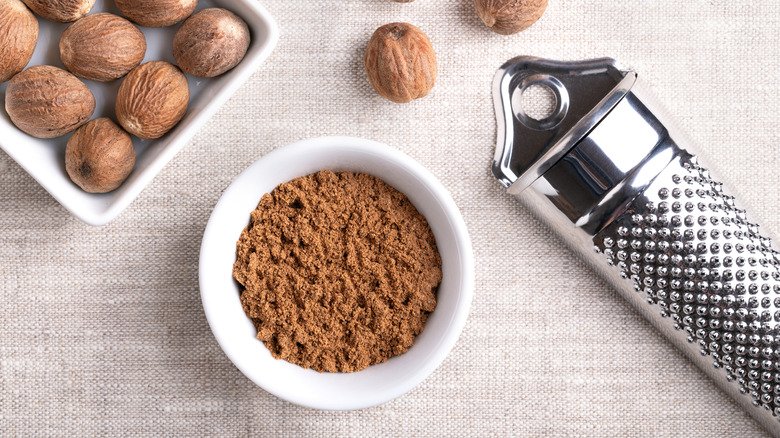
- ½ teaspoon ground nutmeg (optional)
- ½ teaspoon salt
Wet Ingredients:
- 1 cup granulated sugar
- ½ cup brown sugar
- 1 cup vegetable oil (or sunflower oil)
- 4 large eggs
- 2 teaspoons vanilla extract
Main Add-ins:
- 2½ cups finely grated carrots (freshly grated is best)
- 1 cup chopped walnuts or pecans (optional)
- ½ cup raisins (optional)
For Cream Cheese Frosting:
- 250g cream cheese
- ½ cup unsalted butter (softened)
- 3–4 cups powdered sugar
- 1 teaspoon vanilla extract
Step 1: Preparing Your Workspace
Before mixing anything, prepare your baking area. Preheat your oven to 175°C (350°F). Grease and line two 8-inch round cake pans with parchment paper. This prevents sticking and ensures easy removal after baking.
Grate your carrots finely using a hand grater or food processor. Avoid using pre-shredded carrots, as they are usually too dry and coarse.
Step 2: Mixing the Dry Ingredients
In a large bowl, combine the flour, baking powder, baking soda, cinnamon, nutmeg, and salt. Whisk them together thoroughly to ensure even distribution.
This step is crucial because it helps the cake rise evenly and prevents clumps of baking soda or spices in the final product.
Step 3: Mixing the Wet Ingredients
In another bowl, whisk together the granulated sugar, brown sugar, and oil until well combined. Add the eggs one at a time, mixing thoroughly after each addition.
Stir in the vanilla extract. The mixture should be smooth and slightly thick.
Step 4: Combining Wet and Dry Ingredients
Gradually add the dry ingredients to the wet mixture. Stir gently using a spatula or wooden spoon. Avoid overmixing, as this can make the cake dense instead of soft.
Once combined, fold in the grated carrots. Then add nuts and raisins if you’re using them. Ensure everything is evenly distributed.
Step 5: Pouring and Baking
Divide the batter evenly between your prepared cake pans. Smooth the tops with a spatula.
Place the pans in the preheated oven and bake for 30–35 minutes. To check if they are done, insert a toothpick into the centre of the cake. If it comes out clean or with a few crumbs, the cake is ready.
Remove the cakes from the oven and let them cool in the pans for about 10 minutes. Then transfer them to a wire rack to cool completely.
Step 6: Preparing the Cream Cheese Frosting
While the cakes cool, prepare the frosting.
In a mixing bowl, beat the softened butter and cream cheese together until smooth and creamy. Gradually add powdered sugar, mixing well after each addition. Add vanilla extract and continue beating until the frosting is fluffy and spreadable.
If the frosting is too thick, you can add a small amount of milk. If it’s too soft, chill it briefly in the refrigerator.
Step 7: Assembling the Cake
Once the cake layers are completely cool, it’s time to assemble.
Place one layer on a serving plate. Spread a generous amount of frosting on top. Place the second layer over it and frost the top and sides of the cake.
Use a spatula to smooth the frosting or create decorative swirls. You can also sprinkle chopped nuts on top for extra texture and visual appeal.
Tips for the Best Carrot Cake
1. Use Fresh Carrots
Freshly grated carrots provide moisture and flavour. Avoid packaged shredded carrots.
2. Don’t Overmix
Overmixing develops gluten, which can make the cake tough.
3. Measure Ingredients Accurately
Baking is precise. Too much flour or too little sugar can affect texture and taste.
4. Customize Your Cake
You can add pineapple for extra moisture, coconut flakes for texture, or even orange zest for a citrus twist.
5. Let the Cake Cool Completely
Frosting a warm cake will cause the frosting to melt and slide off.
Variations of Carrot Cake
Carrot cake can be adapted in many ways:
Healthy Version:
- Replace some flour with whole wheat flour
- Reduce sugar
- Use applesauce instead of part of the oil
Vegan Version:
- Replace eggs with flaxseed mixture
- Use dairy-free cream cheese and butter
Cupcake Version:
- Pour batter into cupcake liners
- Bake for 18–22 minutes
Common Mistakes to Avoid
Even simple recipes can go wrong if certain steps are overlooked.
- Using too much oil: This can make the cake greasy
- Skipping spices: The spices are essential for flavour
- Not preheating the oven: Leads to uneven baking
- Opening the oven too often: Causes the cake to sink
Storing Your Carrot Cake
Carrot cake stores well due to its moisture content.
- At room temperature: Up to 2 days (covered)
- In the refrigerator: Up to 5–7 days
- In the freezer: Up to 3 months (wrap tightly)
Before serving refrigerated cake, allow it to sit at room temperature for about 30 minutes for the best flavour and texture.
Serving Suggestions
Carrot cake is delicious on its own, but you can elevate it further:
- Serve with a cup of tea or coffee
- Add caramel drizzle for extra indulgence
- Pair with vanilla ice cream for dessert
Benefits of Carrot Cake
A Source of Dietary Fiber
One of the key benefits of carrot cake is its fibre content. The carrots themselves, along with ingredients like whole wheat flour (if used), nuts, and sometimes pineapple or raisins, contribute to a higher fibre content than typical cakes.
Fiber plays an essential role in digestive health. It helps regulate bowel movements, prevents constipation, and supports a healthy gut microbiome. Moreover, fibre can help you feel fuller for longer, potentially reducing overeating.
Choosing recipes that incorporate whole grains and natural ingredients can further enhance this benefit, making carrot cake a more satisfying and wholesome treat.
Packed with Antioxidants
Carrot cake contains several antioxidant-rich ingredients beyond just carrots. Common additions like cinnamon, nutmeg, and walnuts are known for their antioxidant properties.
Antioxidants help protect the body from oxidative stress caused by free radicals. This can reduce inflammation and lower the risk of chronic diseases such as heart disease and certain cancers.
Cinnamon, for example, has been linked to improved blood sugar control, while nuts provide healthy fats and additional antioxidants. Together, these ingredients make carrot cake a dessert with functional benefits.
Provides Energy and Sustained Fuel
Carrot cake is an excellent source of energy due to its combination of carbohydrates, fats, and sometimes protein. The natural sugars from carrots and added sweeteners provide a quick energy boost, while fats from oil or nuts offer longer-lasting fuel.
This makes carrot cake a good option for a mid-day treat or even a pre-workout snack when consumed in moderation. Unlike highly processed desserts, carrot cake made with natural ingredients can provide more stable energy levels.
Supports Heart Health
Certain ingredients commonly found in carrot cake can contribute to heart health. For instance, nuts like walnuts or pecans are rich in omega-3 fatty acids, which help reduce bad cholesterol levels.
Additionally, carrots themselves contain potassium, which helps regulate blood pressure. When combined with heart-healthy oils such as olive oil or vegetable oil, carrot cake can be a more cardiovascular-friendly dessert choice.
To maximize this benefit, opt for recipes that use less saturated fat and incorporate healthy alternatives.
Encourages Healthier Baking Choices
Carrot cake is often more adaptable to healthy substitutions compared to other cakes. Its naturally moist texture allows bakers to reduce sugar and fat without compromising taste.
Some healthier ingredient swaps include:
- Using whole wheat flour instead of refined flour
- Replacing sugar with natural sweeteners like honey or maple syrup
- Adding applesauce or yogurt to reduce oil content
- Incorporating nuts and seeds for extra nutrients
These modifications can significantly improve the nutritional profile of carrot cake, making it a guilt-free indulgence.
Boosts Eye Health
Thanks to its high beta-carotene content, carrot cake can contribute to better eye health. Vitamin A derived from beta-carotene is essential for maintaining good vision, particularly in low-light conditions.
Regular consumption of vitamin A-rich foods can help prevent night blindness and support overall eye function. While carrot cake should not replace whole vegetables in your diet, it can still contribute to your daily intake.
Improves Skin Health
The antioxidants and vitamins found in carrots also play a role in maintaining healthy skin. Vitamin A helps repair skin tissues and protects against damage from UV rays.
Additionally, the hydration and natural oils present in carrot cake ingredients can support skin elasticity and overall appearance. Again, moderation is key, but it’s a sweet bonus to an already enjoyable dessert.
Versatility and Customization
Another benefit of carrot cake is its versatility. It can be easily adapted to suit various dietary needs and preferences.
For example:
- Vegan carrot cake can be made using plant-based milk and egg substitutes
- Gluten-free versions can use almond or oat flour
- Low-sugar recipes can cater to those managing diabetes
This adaptability ensures that more people can enjoy carrot cake while still aligning with their health goals.
Conclusion
Making carrot cake from scratch is a rewarding experience. With simple ingredients and careful steps, you can create a dessert that is moist, flavourful, and visually appealing. Whether you’re baking for a celebration or simply treating yourself, carrot cake is a reliable and delightful choice.
The key to success lies in balancing the ingredients, handling the batter gently, and allowing the cake to bake and cool properly. Once you master the basics, you can experiment with Flavors and decorations to make the recipe truly your own.
So, gather your ingredients, preheat your oven, and enjoy the process. Baking isn’t just about the final product—it’s about the joy of creating something delicious from scratch.
Comments
2 responses to “The Ultimate Guide to Preparing a Perfect Carrot Cake from Scratch”
https://shorturl.fm/0aKwn
https://shorturl.fm/PfLCp