Blog

  • Dump and Go Crockpot Dinner Okra Soup.

    Okra soup is one of the most loved traditional dishes in Nigeria. Known for its rich flavors, slightly slimy texture, and incredible versatility, it has earned its place as a favorite across many tribes, especially among the Yoruba, Igbo, and Edo people. While it is traditionally cooked on stovetops in clay pots or large family pans, modern cooking methods like using a crockpot (slow cooker).Crockpot have made it more convenient to prepare while still retaining its authentic taste.

    In this blog, you’ll discover a step-by-step guide to cooking Nigerian okra soup in a crockpot, learn its delicious variations, explore serving suggestions, and get answers to common questions people ask about this nourishing dish.

    What is Nigerian Okra Soup?

    Nigerian okra soup is a savory, viscous soup made primarily from chopped or grated okra pods. Its signature slimy texture helps it pair beautifully with swallows like pounded yam, eba, semovita, amala, or fufu.

    The soup is typically cooked with assorted meats, fish, an

    d leafy greens such as spinach, ugu (pumpkin leaves), or bitterleaf, seasoned with traditional spices like crayfish and stockfish for depth of flavor.

    While stovetop methods are common, using a crockpot allows the ingredients to slow-cook, enhancing the flavors and making the meat tender while saving time and effort.

    Why Cook Okra Soup in a Crockpot?

    Cooking okra soup in a crockpot may sound unusual, but it offers several benefits:

    • Convenience: Just toss the ingredients into the slow cooker and let it do the work.
    • Tender Meat: The slow cooking process ensures beef, goat meat, or oxtail become very soft and flavorful.
    • Flavor Fusion: Spices and seasonings infuse better with a slow simmer.
    • Hands-off Cooking: Perfect for busy individuals or families who want to come home to a ready meal.

    Ingredients for Nigerian Okra Soup in a Crockpot

    Here’s a standard ingredient list for a hearty, family-sized crockpot okra soup:

    Protein (choose a mix for richer flavor)

    • 500g beef (cubed) or goat meat
    • 300g assorted meats (tripe, cow skin, or oxtail)
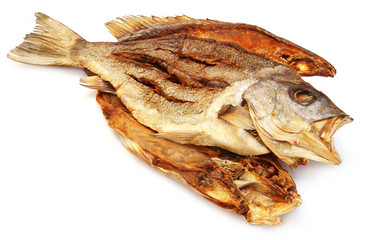
    • 200g stockfish (pre-soaked)
    • 200g smoked fish (deboned)
    • 200g dried fish (washed)
    • 200g fresh prawns or shrimp (optional)

    Vegetables

    • 500g fresh okra (finely chopped or grated)
    • 2 cups spinach, ugu, or kale (washed and chopped)
    • 1 large onion (chopped)
    • 2–3 fresh tomatoes (blended) – optional for variation

    Seasonings

    • 2–3 tablespoons ground crayfish
    • 3–4 tablespoons palm oil
    • 2 scotch bonnet peppers (blended with onion for spice)
    • 2 seasoning cubes or bouillon
    • 1 tablespoon ground locust beans (iru) – optional but adds depth
    • Salt to taste

    Step-by-Step: How to Cook Nigerian Okra Soup in a Crockpot

    Step 1: Prepare the Proteins

    • Wash and season beef or goat meat with salt, bouillon, and onions.
    • Pre-soak stockfish and dried fish in warm water until soft.
    • Boil tougher meats (like goat, tripe, or cow skin) briefly on the stovetop for 20–30 minutes before transferring to the crockpot. This shortens crockpot cooking time.

    Step 2: Start the Base in the Crockpot

    • Add your pre-cooked tougher meats, stockfish, and smoked fish into the crockpot.
    • Pour in 3–4 cups of stock.
    • Add crayfish, blended pepper-onion mix, and palm oil.
    • Stir lightly, cover, and cook on high for 2 hours or low for 4 hours.

    Step 3: Add Okra and Vegetables

    • About 45 minutes before serving, stir in the chopped or grated okra.
    • Add prawns or shrimp (if using).
    • Stir well so the okra combines with the broth.
    • Add chopped leafy greens last to retain their freshness and color.

    Step 4: Adjust Seasoning and Serve

    • Taste for salt, pepper, and seasoning.
    • Let simmer for another 15–20 minutes on high.
    • Turn off the crockpot and allow the soup to rest before serving.

    Variations of Nigerian Okra Soup in a Crockpot

    Okra soup is highly versatile. Here are some popular variations you can try:

    1. Seafood Okra Soup

    Instead of assorted meats, load your crockpot with prawns, crab, squid, periwinkles, and fresh fish. This coastal-style variation is lighter yet very flavorful.

    2. Ogbono and Okra Mix

    Add ground ogbono seeds (wild mango seeds) into the soup. This not only thickens it but also enhances the slimy consistency, loved by many Nigerians.

    3. Vegetarian Okra Soup

    Skip the meat and fish, using only mushrooms, tofu, and vegetables. Add extra palm oil and crayfish substitute for flavor depth.

    4. Okra and Tomato Soup

    Blend tomatoes, onions, and peppers as the base before adding okra. This gives the soup a slight tanginess, common among Yoruba households.

    5. Spicy Okra Soup

    For spice lovers, increase scotch bonnet peppers or add Cameroon pepper for extra heat.

    Serving Suggestions for Nigerian Okra Soup

    Okra soup is best enjoyed with Nigerian swallows, but it can also be eaten with rice or bread for a modern twist. Here are serving ideas:

    Traditional Swallows:

    • Modern Alternatives:
      • Brown rice or basmati rice
      • Couscous
      • Quinoa
      • Whole-wheat wraps or flatbread
    • Toppings & Garnishes:
      • Freshly chopped peppers for extra spice
      • A drizzle of palm oil for richness
      • Sliced onions for a rustic touch

    Nutritional Benefits of Nigerian Okra Soup

    • Rich in fiber: Supports digestion and bowel movement.
    • High in protein: Especially when cooked with assorted meats, stockfish, and prawns.
    • Packed with vitamins: Okra contains vitamins A, C, and K. Leafy greens add iron and folate.
    • Omega-3 fatty acids: From fish and crayfish, promoting heart health.
    • Low-carb option: Ideal for those on keto when paired with keto-friendly swallow like almond fufu.

    Tips for Cooking Okra Soup in a Crockpot

    1. Don’t overcook the okra – add it toward the end to retain its texture and viscosity.
    2. Palm oil goes in early – it binds the flavors and prevents separation.
    3. Use a mix of proteins – combining meat, fish, and seafood gives the best authentic Nigerian taste.
    4. Prep leafy greens last – this keeps them vibrant and nutrient-packed.
    5. Freeze-friendly – Okra soup stores well in the freezer for up to 3 months.

    Common Mistakes to Avoid

    • Adding okra too early: It can lose its sliminess and turn mushy.
    • Overloading with palm oil: A little goes a long way for flavor.
    • Not soaking dried fish/stockfish properly: This can make the soup gritty.
    • Cooking only with one protein: A variety gives the soup depth and richness.

    Frequently Asked Questions (FAQs)

    1. Can I cook okra soup overnight in a crockpot?

    Yes, you can cook the base (meats, stock, palm oil, and seasonings) overnight on low. Add the okra and vegetables the next day, 30–45 minutes before eating.

    2. Do I need to fry the palm oil first?

    Not necessarily. In a crockpot, the oil blends in as it heats slowly. But frying the oil with onions and crayfish on the stovetop before adding can deepen flavor.

    3. How do I reduce the sliminess of okra?

    If you prefer less slimy soup, cut the okra into larger chunks rather than grating it, and avoid over-stirring. Adding tomatoes also reduces viscosity.

    4. Can I make Nigerian okra soup without palm oil?

    Yes. Use vegetable oil or coconut oil, but note the flavor will differ from the traditional taste.

    5. How long does Nigerian okra soup last in the fridge?

    It can last up to 5 days in the fridge and about 3 months in the freezer when stored in airtight containers.

    6. Can I blend okra instead of chopping it?

    Yes, blending okra makes the soup smoother and slimier. Chopped okra, on the other hand, gives it more texture.

    7. What’s the best meat combination for okra soup?

    Goat meat, beef, and stockfish together provide the most authentic and delicious flavor balance.

    8. Can I make okra soup spicy without scotch bonnets?

    Yes, use chili flakes, cayenne pepper, or fresh jalapeños as alternatives.

    Conclusion

    Cooking Nigerian okra soup in a crockpot is a wonderful way to combine tradition with convenience. The slow cooker method ensures the meats become tender, the flavors intensify, and you can prepare this delicious dish without standing over the stove for hours.

    With endless variations, from seafood-rich to vegetarian-friendly, this dish caters to all palates. Pair it with swallows like pounded yam or try it with rice or couscous for a creative twist.

    Whether you’re Nigerian or simply a lover of African cuisine, okra soup cooked in a crockpot is a dish worth mastering for its taste, nutrition, and cultural significance.

  • Lazy Dinner Yam Porridge.

    Yam porridge, also called Adaro, is one of the most beloved comfort foods in West Africa. Known for its rich, savoury flavour and creamy texture, this dish is made primarily with yam—a starchy tuber widely consumed in Nigeria—combined with palm oil, tomatoes, peppers, onions, and various seasonings. Beyond being delicious, yam porridge is also highly nutritious, offering carbohydrates for energy, fiber for digestion, and a variety of vitamins and minerals that benefit overall health.

    In this blog, I will explore in detail how Nigerian yam porridge is prepared, answer frequently asked questions about the dish, highlight popular variations, and provide creative serving suggestions. Whether you’re Nigerian looking to refine your cooking skills, a food enthusiast eager to try African cuisine, or you are practicing clean eating, this comprehensive guide will equip you with everything you need to master yam porridge.

    A Brief Background on Yam Porridge

    Yam porridge (Asaro) originates from the Yoruba people of Nigeria but has become a staple dish across the country. Yams are not to be confused with sweet potatoes; Nigerian yams are large, white, starchy tubers that can be boiled, fried, roasted, or pounded. When cooked into porridge, the yam breaks down partially, giving the dish its signature creamy and hearty texture.

    Traditionally, yam porridge is cooked with palm oil for its deep flavor and color, blended peppers and tomatoes for aspicy kick, and smoked fish or crayfish for umami richness. Over time, many variations have emerged depending on personal preference, available ingredients, and regional influences.

    Ingredients for Nigerian Yam Porridge

    To prepare a classic Nigerian yam porridge, you’ll need the following ingredients:

    • Medium-sized yam tuber (about 1.5–2 kg) – peeled and cut into medium chunks
    • Palm oil (½ cup) – adds richness and the classic orange color
    • Tomatoes (3 large) – blended or finely chopped
    • Red bell peppers (2) – for sweetness and depth
    • Scotch bonnet peppers (1–2, depending on spice preference) – for heat
    • Onion (1 large) – chopped
    • Crayfish (2 tablespoons, ground) – for smoky umami flavor
    • Smoked fish or stockfish (optional, 1–2 pieces) – adds depth of flavor
    • Seasoning cubes or powder (2–3 cubes) – such as Maggi or Knorr
    • Salt (to taste)
    • Water or stock (about 5–6 cups)
    • Vegetables (optional: spinach, ugu leaves, or kale) – for added nutrition

    Step-by-Step Guide: How to Prepare Yam Porridge

    Step 1: Prepare the Yam

    • Peel the yam tuber, cut it into medium-sized cubes, and rinse them thoroughly in cold water to remove excess starch.

    Step 2: Make the Pepper Blend

    • Blend tomatoes, red bell peppers, scotch bonnet peppers, and half the onion into a smooth paste. Set aside.

    Step 3: Fry the Base

    • In a large pot, heat palm oil on medium heat. Add the remaining chopped onions and sauté until fragrant.
    • Pour in the blended pepper mixture and allow it to cook for 10–15 minutes, stirring occasionally, until the raw taste is gone, and the sauce thickens.

    Step 4: Build the Flavor

    • Add crayfish, smoked fish (if using), seasoning cubes, and salt. Stir well.
    • Pour in about 5–6 cups of water or stock, then bring the mixture to a boil.

    Step 5: Cook the Yam

    • Gently add the yam cubes into the pot, ensuring they are evenly submerged in the sauce.
    • Cover the pot and let it cook for 20–25 minutes, stirring occasionally.

    Step 6: Mash and Adjust Consistency

    • Once the yam is soft, use a wooden spoon to mash some pieces against the pot. This thickens the porridge while leaving some chunks intact for texture.
    • If the porridge is too thick, add a little more water or stock. If it’s too thin, let it cook uncovered for a few extra minutes.

    Step 7: Add Vegetables

    • Add your choice of green leafy vegetables (spinach, ugu, or kale) toward the end of cooking. Stir well and let it simmer for another 3–5 minutes.

    Step 8: Serve

    • Turn off the heat and allow the dish to rest for a few minutes before serving.

    Variations of Yam Porridge

    One of the reasons yam porridge remains a favorite is its versatility. Depending on regional traditions and personal preferences, you can prepare it in many ways:

    1. Yam and Plantain Porridge
      1. Add ripe or semi-ripe plantains for a sweet twist. The plantains blend beautifully with the yam, giving the porridge a unique flavor.
    2. Yam and Vegetable Porridge
      1. Include an abundance of vegetables like ugu, spinach, or pumpkin leaves. This variation boosts the nutritional value and adds a refreshing, earthy taste.
    3. Seafood Yam Porridge
      1. Replace or supplement smoked fish with prawns, crabs, or periwinkle for a coastal-inspired dish.
    4. Yam and Goat Meat Porridge
      1. Add seasoned, parboiled goat meat for a hearty and protein-rich variation.
    5. Oil-Free Yam Porridge
      1. For a healthier option, skip palm oil and use vegetable oil instead. Though less traditional, this appeals to those looking for a lighter version.
    6. Pepper-Heavy Yam Porridge
      1. For spice lovers, increase the quantity of scotch bonnet peppers for a fiery, tongue-tingling experience.

    Serving Suggestions for Yam Porridge

    Yam porridge is incredibly versatile in how it can be served. Here are some ideas:

    • With Fried Plantains: The sweetness of fried plantains complements the savory richness of yam porridge.
    • With Grilled Fish or Chicken: Adding a side of protein makes the meal more balanced.
    • With Avocado Slices: Creamy avocado pairs beautifully with the spicy and starchy dish.
    • At Parties: Serve yam porridge in small bowls as a comforting, crowd-pleasing dish.
    • For Breakfast or Dinner: Yam porridge is flexible enough to be eaten at any time of the day.
    • As a Comfort Food: Many Nigerians eat yam porridge when craving something warm and satisfying.

    Frequently Asked Questions (FAQs) about Nigerian Yam Porridge

    1. What type of yam is best for yam porridge?

    White yam (often called Puna yam) is the best for yam porridge. It softens nicely and gives the dish a creamy consistency.

    2. Can I make yam porridge without palm oil?

    Yes, you can substitute with vegetable oil, coconut oil, or olive oil, though palm oil provides the most authentic flavor and color.

    3. Can yam porridge be made in advance?

    Yes, yam porridge can be prepared ahead and stored in the fridge for up to 3 days. Reheat gently on the stove, adding a splash of water if it thickens too much.

    4. Is yam porridge healthy?

    Absolutely. Yam is a complex carbohydrate, providing long-lasting energy. Combined with vegetables, protein (fish or meat), and healthy fats from palm oil, yam porridge makes a balanced meal.

    5. Can I freeze yam porridge?

    Yes, you can freeze yam porridge in airtight containers for up to 1 month. Thaw overnight in the fridge and reheat before serving.

    6. How spicy should yam porridge be?

    The spice level is entirely up to you. While traditional yam porridge is moderately spicy, you can adjust the number of scotch bonnet peppers to suit your taste.

    7. Can children eat yam porridge?

    Yes, yam porridge is kid-friendly. Just reduce the amount of pepper when cooking for children.

    8. What can I use instead of crayfish?

    If crayfish isn’t available, you can use fish sauce or smoked paprika to mimic its flavor.

    Nutritional Benefits of Nigerian Yam Porridge

    Apart from being tasty, yam porridge is also packed with nutrients:

    • Carbohydrates – Provide energy for daily activities.
    • Dietary Fiber – Aids digestion and prevents constipation.
    • Vitamin A – From palm oil and vegetables, supports vision and immunity.
    • Vitamin C – From peppers and tomatoes, helps in collagen production.
    • Protein – From fish, crayfish, or meat, supports muscle repair.
    • Iron and Potassium – Support blood health and heart function.

    Conclusion

    Nigerian yam porridge (Asaro) is more than just a dish—it’s a cultural experience. Its creamy, spicy, and comforting flavor makes it a staple meal in Nigerian households. With simple ingredients and easy preparation steps, anyone can recreate this delicious dish, whether in Nigeria or abroad.

    By experimenting with different variations—adding seafood, vegetables, or plantains—you can tailor yam porridge to your taste and dietary needs. Served alone or with sides like plantains, avocado, or grilled proteins, yam porridge remains one of the most versatile and satisfying dishes from West Africa.

    If you’ve never tried yam porridge, now is the perfect time. Gather your ingredients, follow the steps, and enjoy this hearty meal that connects you to the rich culinary traditions of West Africa.

  •  Sweet Potato Pasta Lazy Dinner

    Sweet potato pasta is a wholesome, flavourful, and nutrient-rich alternative to traditional wheat pasta. It has gained popularity among health-conscious eaters, gluten-free enthusiasts, and anyone looking to diversify their meals with something colourful and nourishing. Whether spiralized into noodles, rolled into sheets, or blended into dough, sweet potatoes can be transformed into a versatile pasta dish that delivers both taste and impressive health benefits.

    In this blog, I will take a deep dive into:

    • What sweet potato pasta is
    • Step-by-step preparation methods
    • Delicious serving ideas
    • The impressive nutritional benefits of sweet potatoes
    • Why sweet potato pasta is a smart choice for your health

    Let’s get started.

    What is Sweet Potato Pasta?

    Sweet potato pasta is a pasta alternative made either by spiral zing sweet potatoes into noodles (often called “swoodles” or sweet potato spaghetti) or by blending sweet potato puree into a dough for sheets, gnocchi, or more traditional pasta shapes. Unlike refined pasta made from white flour, sweet potato pasta is naturally gluten-free, nutrient-dense, and packed with flavor.

    It offers a slightly sweet taste, vibrant orange or purple hues (depending on the sweet potato variety), and a soft yet firm texture when cooked. This makes it not only nutritious but also visually appealing on the plate.

    How to Prepare Sweet Potato Pasta

    There are two main ways to make sweet potato pasta: spiralized noodles and sweet potato dough pasta. Below, we’ll explore both methods in detail.

    Method 1: Spiralized Sweet Potato Noodles

    This is the simplest way to prepare sweet potato pasta.

    Ingredients:

    • 2 medium sweet potatoes (orange, white, or purple)
    • 2 tablespoons olive oil or avocado oil
    • 2 garlic cloves, minced
    • ½ teaspoon salt
    • ½ teaspoon black pepper
    • Fresh herbs (parsley, basil, or thyme)

    Instructions:

    1. Wash and Peel: Wash the sweet potatoes thoroughly. Peel them for a smoother noodle texture (though you can leave
    2. The skin for extra fiber).
    3. Spiralize: Use a spiralizer to cut the sweet potatoes into long noodle shapes. If you don’t have a spiralizer, you can use a julienne peeler.
    4. Heat Oil: In a large skillet, heat olive oil over medium heat.
    5. Cook Garlic: Add minced garlic and sauté for about 30 seconds until fragrant.
    6. Add Noodles: Add the sweet potato noodles and season with salt and pepper.
    7. Cook Until Tender: Toss and cook for 5–7 minutes until the noodles are tender but not mushy.
    8. Serve: Garnish with fresh herbs and serve with your choice of sauce, protein, or vegetables.

    Serving Suggestions:

    • Toss with a tomato-based marinara sauce.
    • Combine with a creamy avocado pesto.
    • Top with grilled chicken, salmon, or chickpeas for a complete meal.

    Method 2: Sweet Potato Pasta Dough

    This method creates pasta sheets, gnocchi, or shapes similar to traditional pasta.

    Ingredients:

    • 1 cup cooked sweet potato puree (from baked or steamed sweet potatoes)
    • 1 ½ cups gluten-free flour (such as rice flour, oat flour, or almond flour)
    • 1 egg (optional, for binding)
    •  
    • Pinch of salt

    Instructions:

    1. Prepare Sweet Potato Puree: Bake or steam sweet potatoes until soft. Mash them or blend into a smooth puree.
    2. Make the Dough: In a bowl, combine sweet potato puree with flour and a pinch of salt. Add the egg if using. Mix until a dough forms.
    3. Knead: Knead the dough gently on a floured surface until smooth and pliable.
    4. Shape the Pasta:
      1. Roll out for sheets (for lasagna or ravioli).
      1. Cut into strips (for fettuccine).
      1. Roll into small balls and fork-press for gnocchi.
    5. Cook: Bring a pot of salted water to a boil. Add the pasta and cook for 3–5 minutes, until it floats to the top. Drain.
    6. Serve: Toss with your favorite sauce or drizzle with olive oil and herbs.

    Serving Suggestions:

    • Pair gnocchi with sage butter sauce.
    • Use pasta sheets for a nutrient-rich lasagna.
    • Combine fettuccine-style sweet potato pasta with roasted vegetables.

    Delicious Sauces and Toppings for Sweet Potato Pasta

    Sweet potato pasta pairs well with a wide range of flavors. Here are some popular combinations:

    • Creamy Sauces: Cashew cream, alfredo, or coconut milk-based sauces.
    • Tomato-Based Sauces: Marinara, arrabbiata, or roasted red pepper sauce.
    • Herb-Based Sauces: Pesto (basil, kale, or spinach).
    • Toppings: Grilled chicken, sautéed shrimp, roasted chickpeas, mushrooms, spinach, zucchini, or fresh cheese.

    The mild sweetness of sweet potato noodles balances well with savoury, spicy, or creamy sauces, making it a versatile dish.

    Nutritional Benefits of Sweet Potato Pasta

    Sweet potatoes are a powerhouse of nutrients. By turning them into pasta, you get a meal that is not only satisfying but also highly beneficial for your health. Let’s break down the key nutritional benefits.

    1. Rich Source of Complex Carbohydrates

    Sweet potato pasta provides complex carbohydrates, which are digested slowly, releasing energy steadily. Unlike refined pasta, which can cause blood sugar spikes, sweet potato pasta supports sustained energy levels throughout the day.

    2. High in Fiber

    Sweet potatoes are a great source of dietary fiber, particularly when the skin is included. Fiber aids digestion, promotes satiety, regulates blood sugar, and supports heart health. One medium sweet potato contains about 4 grams of fiber, making sweet potato pasta a gut-friendly choice.

    3. Packed with Vitamins

    • Vitamin A (Beta-Carotene): Sweet potatoes are one of the richest sources of beta-carotene, which the body converts into vitamin A. This supports vision, immune function, and skin health.
    • Vitamin C: Boosts immunity, promotes collagen production for skin, and acts as a powerful antioxidant.
    • B Vitamins: Including B6, which supports brain health and helps regulate mood.

    4. Rich in Minerals

    Sweet potatoes are loaded with essential minerals such as:

    • Potassium: Helps balance electrolytes, reduce blood pressure, and support muscle function.
    • Manganese: Important for metabolism and bone health.
    • Magnesium: Known for its calming effects, it supports muscle and nerve health.

    5. Antioxidant Properties

    The vibrant orange or purple color of sweet potatoes comes from antioxidants like beta-carotene and anthocyanins. These compounds fight oxidative stress, reduce inflammation, and protect the body from chronic diseases.

    6. Supports Healthy Blood Sugar Levels

    Despite being naturally sweet, sweet potatoes have a low glycemic index (GI) compared to refined pasta. This means they release sugar slowly into the bloodstream, making them suitable for people managing diabetes or blood sugar fluctuations.


    7. Promotes Weight Management

    Sweet potato pasta is nutrient-dense and fiber-rich, which helps you feel full and satisfied. By curbing cravings and supporting balanced energy, it can play a role in healthy weight management.

    8. Boosts Immunity

    The combination of vitamin A, vitamin C, and antioxidants in sweet potatoes strengthens the immune system. Regularly eating sweet potato pasta can help the body ward off infections and maintain resilience.

    9. Gluten-Free Alternative

    For those with gluten intolerance or celiac disease, sweet potato pasta is a safe and tasty option. Unlike wheat-based pasta, it won’t cause digestive discomfort for those sensitive to gluten.

    Why Choose Sweet Potato Pasta Over Regular Pasta?

    Here’s a quick comparison:

    FeatureSweet Potato PastaRegular Wheat Pasta
    Fiber ContentHighModerate to low
    Glycemic IndexLowerHigher
    Nutritional DensityRich in vitamins A, C, potassium, antioxidantsLower, mainly carbohydrates
    Gluten-FreeYesNo
    Visual AppealVibrant orange/purpleBeige/white

    Sweet potato pasta not only brings variety but also adds significant nutritional value that standard pasta often lacks.

    Tips for Cooking Perfect Sweet Potato Pasta

    • Don’t overcook spiralized noodles; they soften quickly.
    • Roast sweet potato noodles instead of sautéing for a firmer texture.
    • When making dough, balance sweet potato puree with enough flour to prevent stickiness.
    • Pair with proteins and vegetables to make it a balanced, complete meal.

    Conclusion

    Sweet potato pasta is more than just a trendy food—it’s a nutrient-packed, versatile, and delicious meal option. Whether you spiralize raw sweet potatoes into noodles or craft dough-based pasta, the result is a colorful dish rich in vitamins, minerals, fiber, and antioxidants.

    From boosting immunity and supporting digestion to balancing blood sugar and promoting weight management, sweet potato pasta delivers outstanding health benefits while satisfying your taste buds.

    If you’re looking to upgrade your pasta nights with something healthier and more exciting, sweet potato pasta is an excellent choice. Try it with your favorite sauces, proteins, and toppings, and enjoy both the flavor and the wellness it brings to your  plate.

  • Chicken Jalfrezi Dinner Meal.

    Chicken Jalfrezi is a flavorful and colorful dish that perfectly balances rich spices with tender chicken and crisp vegetables. It is one of the most popular curries in Indian and Pakistani cuisine, often enjoyed in restaurants and homes alike. What makes Chicken Jalfrezi special is its semi-dry, stir-fried style that combines juicy chicken pieces with peppers, onions, and tomatoes, coated in a spiced sauce that bursts with flavor.

    But Chicken Jalfrezi is not only about taste—it is also packed with nutrients that benefit your health in multiple ways. In this blog, we’ll explore step-by-step how to prepare this delightful dish at home and then dive into the health benefits it offers. By the end, you will understand why Chicken Jalfrezi deserves a place in your weekly meal plan.

    A Brief History of Chicken Jalfrezi

    The word “Jalfrezi” originates from the Bengali word jhal, meaning spicy, and frezi, which means stir-fry. This dish came into existence during the British colonial period in India. Leftover meats and vegetables were stir-fried with chilies, onions, and tomatoes, creating a flavorful yet quick curry. Over time, Jalfrezi evolved into a full-fledged recipe that today is loved worldwide, particularly in the UK, where it is one of the most ordered curries in Indian restaurants.

    Ingredients for Chicken Jalfrezi

    To make Chicken Jalfrezi, you will need fresh and wholesome ingredients. The beauty of this dish lies in its simplicity and the freshness of the vegetables that give it a vibrant appearance and taste.

    Ingredients (Serves 4):

    • 500g boneless chicken breast or thighs, cut into bite-sized chunks
    • 2 large onions, thinly sliced
    • 2 medium tomatoes, chopped
    • 2 bell peppers (red and green), sliced into strips
    • 3 cloves garlic, minced
    • 1-inch piece of ginger, grated
    • 2 fresh green chilies, slit lengthwise (adjust to spice preference)
    • 2 tablespoons tomato puree
    • 3 tablespoons vegetable oil or ghee
    • 1 teaspoon cumin seeds
    • 1 teaspoon ground turmeric
    • 1 teaspoon ground coriander
    • 1 teaspoon garam masala
    • 1 teaspoon paprika or Kashmiri red chili powder
    • 1 teaspoon ground cumin
    • ½ teaspoon black pepper
    • Salt to taste
    • Fresh cilantro (coriander leaves), chopped, for garnish
    • Juice of half a lemon

    Step-by-Step Preparation of Chicken Jalfrezi

    Step 1: Marinate the Chicken

    • In a bowl, combine the chicken pieces with half of the turmeric, cumin, and paprika.
    • Add a pinch of salt, a squeeze of lemon juice, and a teaspoon of garlic and ginger.
    • Mix well and let it marinate for at least 30 minutes. This enhances flavor and makes the chicken tender.

    Step 2: Sauté the Aromatics

    • Heat oil or ghee in a large pan over medium heat.
    • Add cumin seeds and let them sizzle for a few seconds to release their aroma.
    • Add sliced onions and sauté until golden brown.
    • Add garlic, ginger, and green chilies. Cook for another 1–2 minutes until fragrant.

    Step 3: Build the Sauce

    • Add the chopped tomatoes and tomato puree. Stir and cook until the tomatoes break down and form a thick sauce.
    • Sprinkle in the turmeric, ground coriander, cumin, paprika, and black pepper. Mix well to create a rich spice base.

    Step 4: Cook the Chicken

    • Add the marinated chicken pieces to the pan.
    • Stir-fry on high heat until the chicken is sealed and lightly browned.
    • Reduce the heat and cover the pan, allowing the chicken to cook through in the tomato-spice mixture for about 10–12 minutes.

    Step 5: Add the Vegetables

    • Toss in the sliced bell peppers and additional onions if desired.
    • Stir-fry for 4–5 minutes, keeping the vegetables slightly crisp for texture.
    • Add garam masala and adjust seasoning with salt and lemon juice.

    Step 6: Garnish and Serve

    • Finish with freshly chopped cilantro for freshness.
    • Serve hot with basmati rice, naan, or roti.

    Variations of Chicken Jalfrezi

    • Paneer Jalfrezi – Substitute chicken with paneer for a vegetarian option.
    • Prawn Jalfrezi – Use prawns instead of chicken for a seafood twist.
    • Low-Fat Jalfrezi – Reduce oil, use lean chicken breast, and load up on extra vegetables for a lighter version.

    Health Benefits of Chicken Jalfrezi

    Chicken Jalfrezi is more than just a tasty curry—it is also nutritious. The combination of lean protein, fresh vegetables, and spices provides a wealth of health benefits. Let’s break them down.

    1. Rich Source of Lean Protein

    Chicken, particularly the breast portion, is a high-quality source of lean protein. Protein is essential for muscle repair, growth, and maintenance. Eating Chicken Jalfrezi can help:

    • Support muscle building and recovery after exercise.
    • Maintain satiety, helping with weight management.
    • Keep metabolism active, as protein requires more energy to digest.

    2. Packed with Antioxidants

    The tomatoes, onions, peppers, and spices in Chicken Jalfrezi are rich in antioxidants:

    • Tomatoes contain lycopene, which protects against oxidative stress.
    • Bell peppers are high in vitamin C and carotenoids, boosting immunity.
    • Spices like turmeric and cumin contain anti-inflammatory compounds.

    These antioxidants help combat free radicals, reducing the risk of chronic diseases like heart disease and cancer.

    Chicken jalfrezi isn’t just a protein-rich curry; its ingredients are carefully layered with natural antioxidants. Each component contributes unique compounds that help fight free radicals.

    a. Chicken – Protein with Antioxidant Support

    While chicken itself is not a major source of antioxidants, it plays a supportive role in antioxidant activity. Lean chicken breast in jalfrezi is rich in amino acids such as cysteine, which is used to produce glutathione—one of the body’s most powerful internal antioxidants. Glutathione protects the liver, aids detoxification, and supports immune health.

    By combining chicken with antioxidant-rich vegetables and spices, jalfrezi creates a synergy between protein and plant compounds that enhances overall nutrition.

    b. Tomatoes – Lycopene and Vitamin C

    Tomatoes form the base of jalfrezi’s tangy sauce, and they are one of the richest sources of lycopene, a powerful antioxidant pigment. Lycopene is linked to reduced risk of heart disease, improved skin health, and protection against certain cancers, particularly prostate cancer.

    Cooking tomatoes, as in jalfrezi, actually increases the bioavailability of lycopene, making it easier for the body to absorb. Alongside lycopene, tomatoes also provide vitamin C, which boosts immunity and protects collagen in the skin.

    c. Bell Peppers – Vitamin C, Carotenoids, and Flavonoids

    Bell peppers (capsicum) are signature vegetables in jalfrezi, contributing crunch and sweetness. They are one of the richest dietary sources of vitamin C, which works as a free radical scavenger.

    In addition, bell peppers contain:

    • Beta-carotene – Converted into vitamin A for eye health.
    • Lutein and zeaxanthin – Protect the eyes from age-related degeneration.
    • Quercetin – A flavonoid with anti-inflammatory effects.

    The mix of green, red, and yellow peppers in jalfrezi ensures a colorful plate loaded with a spectrum of antioxidants.

    d. Onions – Quercetin and Sulfur Compounds

    Onions are more than just flavor enhancers—they are antioxidant powerhouses. They are rich in quercetin, a polyphenol that has been widely studied for its ability to reduce inflammation, support cardiovascular health, and protect against oxidative damage.

    Onions also provide sulfur compounds, which aid in detoxification and enhance the body’s own antioxidant defense systems.

    e. Garlic – Allicin and Organ sulfur Compounds

    Garlic, often sautéed at the start of making jalfrezi, contains allicin, a sulfur-containing antioxidant. Allicin is linked with antimicrobial activity, heart health support, and reducing oxidative stress in cells.

    Garlic’s compounds also help regulate blood pressure, cholesterol, and immune function, making it a crucial antioxidant-rich ingredient in this curry.

    d. Ginger – Gingerol and Zinger one

    Ginger, another essential base flavor in jalfrezi, contains gingerol, a bioactive compound with strong antioxidant and anti-inflammatory properties. Gingerol helps reduce oxidative stress in tissues, promotes digestion, and supports immune defense.

    Cooking ginger slightly reduces gingerol but increases zinger one, another antioxidant compound, ensuring that the cooked dish remains rich in protective elements.

    e. Green Chilies – Capsaicin and Vitamin C

    Green chilies give jalfrezi its characteristic heat while contributing a healthy dose of antioxidants. The key compound is capsaicin, which has been shown to reduce oxidative stress, promote metabolism, and support heart health.

    Chilies are also high in vitamin C, further enhancing the antioxidant profile of the dish.

    f. Spices – Turmeric, Cumin, Coriander, and Garam Masala

    Spices are the soul of jalfrezi, and they are packed with antioxidants:

    • Turmeric – Contains curcumin, a powerful antioxidant and anti-inflammatory compound that supports joint health, brain function, and chronic disease prevention.
    • Cumin – Rich in polyphenols and flavonoids that reduce oxidative stress.
    • Coriander seeds – Contain antioxidants like linalool, which supports digestion and reduces free radical damage.
    • Garam masala – A spice blend often includes cinnamon, cardamom, and cloves, all of which are loaded with antioxidants that protect against aging and disease.

    The combination of spices not only enhances flavor but also boosts the overall antioxidant activity of the dish.

    3. Boosts Immunity

    Chicken Jalfrezi contains nutrients that strengthen the immune system:

    • Vitamin C from peppers and tomatoes supports white blood cell function.
    • Garlic and ginger act as natural immune boosters with antimicrobial properties.
    • Protein aids in the production of antibodies that fight infections.

    4. Supports Digestive Health

    The spices used in Jalfrezi improve digestion:

    • Cumin helps stimulate digestive enzymes.
    • Ginger eases nausea and promotes healthy digestion.
    • Onions provide prebiotic fibers that nourish gut bacteria.

    This makes Chicken Jalfrezi not just tasty but gut-friendly too.

    5. Aids Weight Management

    Since Chicken Jalfrezi is stir-fried and not cooked in heavy cream, it is lower in calories compared to many creamy curries. Benefits include:

    • Lean protein keeps you full for longer.
    • Fiber from vegetables helps regulate appetite.
    • Using minimal oil makes it lighter on the stomach while still flavorful.

    6. Promotes Heart Health

    The ingredients in Chicken Jalfrezi support cardiovascular wellness:

    • Onions and garlic help reduce cholesterol levels.
    • Tomatoes are rich in potassium, which helps regulate blood pressure.
    • Olive oil or light vegetable oil can be used instead of ghee to make it heart-friendly.

    7. Balances Blood Sugar Levels

    Chicken Jalfrezi can be a diabetic-friendly meal when paired with whole grains:

    • Protein slows the absorption of sugar.
    • Vegetables provide fiber, which helps regulate blood glucose.
    • Spices like turmeric and cinnamon (if added) improve insulin sensitivity.

    8. Improves Skin and Hair Health

    The nutrients in Chicken Jalfrezi are also beneficial for beauty:

    • Vitamin C aids collagen production, keeping skin youthful.
    • Protein supports strong hair and nails.
    • Antioxidants fight oxidative damage, reducing premature aging.

    9. Anti-Inflammatory Properties

    Turmeric, ginger, and garlic in Chicken Jalfrezi are natural anti-inflammatory agents. Regular consumption may help reduce inflammation linked to arthritis, joint pain, and chronic conditions.

    10. Provides Essential Vitamins and Minerals

    Chicken Jalfrezi is nutrient-dense, offering:

    • Iron and zinc from chicken, crucial for energy and immunity.
    • Vitamin A and C from peppers, important for vision and immunity.
    • Magnesium and potassium from vegetables, which regulate blood pressure and muscle function.

    Tips for a Healthier Chicken Jalfrezi

    • Use skinless chicken breast for lower fat content.
    • Cook with minimal oil or switch to olive oil for heart health.
    • Add a variety of colorful vegetables like zucchini, carrots, or broccoli for extra nutrition.
    • Serve with brown rice or whole wheat naan instead of refined carbs.
    • Reduce salt and rely more on spices for flavor enhancement.

    Suggested Pairings

    Chicken Jalfrezi can be enjoyed with:

    • Basmati Rice – for a classic combination.
    • Whole Wheat Roti or Chapati – for a high-fiber option.
    • Quinoa or Cauliflower Rice – for a low-carb version.
    • Fresh Salad – to balance the spiciness with a refreshing crunch.

    Conclusion

    Chicken Jalfrezi is more than just a curry—it is a balanced dish that combines taste, tradition, and nutrition. From its origins in colonial India to becoming a global favorite, it has evolved into a recipe that delights the taste buds while nourishing the body. The lean protein in chicken, the antioxidants in vegetables, and the healing properties of spices make this dish a powerhouse of health benefits.

    By preparing Chicken Jalfrezi at home, you not only control the quality of ingredients but also make it healthier by reducing excess oil and salt. Whether you are looking to build muscle, manage weight, boost immunity, or simply enjoy a flavourful meal, Chicken Jalfrezi is a fantastic choice.

    So, the next time you crave a curry, skip the heavy cream-based options and prepare this vibrant and wholesome dish. It is satisfying, nutritious, and a celebration of spices that can turn any meal.

  • Shipwreck Casserole Meal

    Casseroles are among the most comforting meals you can prepare in your kitchen. Shipwreck casserole meals is bringing together a variety of ingredients, slow-cooked or oven-baked in one dish, producing layers of flavour and nutrition. One such casserole that has become a classic in many households is Shipwreck Casserole. This hearty meal, rich in vegetables, protein, and wholesome ingredients, gets its name from the way everything seems to be “thrown together” — almost as if salvaged after a shipwreck.

    Here I will explore in detail how to prepare shipwreck casserole, variations you can try, and its impressive nutritional benefits. By the end, you’ll not only know how to make this satisfying meal but also why it can be a valuable addition to your diet.

    What is Shipwreck Casserole?

    Shipwreck casserole is a layered dish made with ground beef (or turkey), potatoes, rice, beans, vegetables, and tomato-based sauces, all baked together in one dish. It is often referred to as a “dump-and-bake” meal because you layer the raw ingredients, season them, add liquid, and let the oven do the magic. The result is a warm, filling casserole that can feed a family or serve as leftovers throughout the week.

    It’s called “shipwreck” because the recipe doesn’t demand precise order or technique—almost anything available in the pantry can be added. That makes it adaptable, economical, and deeply comforting.

    Ingredients for Shipwreck Casserole

    Here’s a classic version of the shipwreck casserole:

    Core Ingredients:

    • 1 lb ground beef or ground turkey – provides protein and flavor.
    • 4 medium potatoes – peeled and thinly sliced.
    • 1 cup uncooked rice – adds carbohydrates and heartiness.
    • 1 medium onion – sliced.
    • 2 cups kidney beans or baked beans – boosts fiber and protein.
    • 2 cups mixed vegetables (carrots, peas, corn, green beans).
    • 1 can (15 oz.) diced tomatoes – for moisture and flavor.
    • 1 can (15 oz.) tomato sauce – creates a saucy base.
    • 2 cups beef or vegetable broth – prevents dryness and enhances flavor.

    Seasonings:

    • 2 cloves garlic, minced
    • 1 teaspoon paprika
    • 1 teaspoon dried oregano
    • 1 teaspoon dried thyme
    • Salt and pepper to taste
    • Optional: 1 teaspoon chili powder for a spicy kick

    Topping (optional):

    • 1 cup shredded cheddar or mozzarella cheese

    Step-by-Step Preparation of Shipwreck Casserole

    Preparing shipwreck casserole is straightforward, but layering properly ensures even cooking and flavor distribution.

    Step 1: Preheat the Oven

    Preheat your oven to 375°F (190°C). Grease a large baking dish with a little oil or non-stick spray.

    Step 2: Prepare Ingredients

    • Thinly slice the potatoes.
    • Chop onions and mince garlic.
    • Rinse canned beans if using kidney beans (skip rinsing if using baked beans).

    Step 3: Cook the Ground Beef (Optional)

    Some recipes use raw ground beef, but browning it beforehand enhances flavor. In a skillet:

    • Add ground beef, onions, and garlic.
    • Cook until beef is no longer pink.
    • Drain excess fat.

    Step 4: Layer the Ingredients

    In the greased baking dish, layer as follows:

    1. A layer of sliced potatoes at the bottom.
    2. Spread the uncooked rice evenly.
    3. Add the cooked beef and onion mixture.
    4. Spread the beans over the beef.
    5. Scatter mixed vegetables across.
    6. Pour diced tomatoes and tomato sauce evenly over the top.
    7. Add broth to keep everything moist.

    Step 5: Season Generously

    Sprinkle paprika, oregano, thyme, salt, and pepper over the top.

    Step 6: Bake

    Cover with aluminum foil and bake for 1 hour and 15 minutes. Check occasionally to ensure the rice and potatoes are tender. If needed, add more broth.

    Step 7: Add Cheese (Optional)

    Remove foil, sprinkle shredded cheese on top, and bake uncovered for an additional 10–15 minutes until the cheese melts and bubbles.

    Step 8: Rest and Serve

    Allow the casserole to cool slightly before serving. This helps the layers set and makes cutting easier.

    Variations of Shipwreck Casserole

    One of the reasons shipwreck casserole is so popular is because of its versatility. Here are some creative twists:

    1. Vegetarian Version
      1. Replace beef with lentils or extra beans.
      1. Use vegetable broth instea
      1. d of beef broth.
    2. Spicy Southwest Version
      1. Add jalapeños, chili powder, cumin, and black beans.
      1. Top with pepper jack cheese.
    3. Low-Carb/Keto Version
      1. Replace rice with cauliflower rice.
      1. Use zucchini or turnips instead of potatoes.
    4. Seafood Variation
      1. Substitute ground beef with canned tuna or salmon for a lighter protein source.
    5. Breakfast Style
      1. Add scrambled eggs and breakfast sausage.
      1. Top with cheddar cheese for a morning casserole.

    Nutritional Benefits of Shipwreck Casserole

    Beyond its comfort-food appeal, shipwreck casserole is nutritionally rich because it combines protein, fiber, vitamins, and minerals. Let’s break down its health benefits:

    1. High in Protein

    • Ground beef or turkey provides essential amino acids needed for muscle repair, hormone production, and immunity.
    • Beans also add plant-based protein, making the dish a balanced protein source.
    • Protein Powerhouse Ingredients in Shipwreck Casserole

    Let me break down the key components of shipwreck casserole and explore how each contributes to the protein content.

    • 1. Ground Beef

    Ground beef is usually the main protein source in shipwreck casserole. A 4-ounce (113g) serving of cooked lean ground beef contains about 22–24 grams of protein. Beef protein is considered high-quality because it contains all nine essential amino acids needed for muscle growth and repair.

    Beyond protein, beef also provides iron, zinc, and vitamin B12, nutrients that support red blood cell production and energy metabolism.

    • 2. Baked Beans

    Beans are a classic component of shipwreck casserole. Not only do they provide fiber, but they also add plant-based protein. One cup of baked beans offers roughly 12–14 grams of protein.

    Beans complement beef perfectly because they provide lysine, an amino acid sometimes limited in animal proteins, creating a balanced amino acid profile when eaten together. This makes the dish a complete protein synergy meal.

    • 3. Potatoes

    Potatoes may not be the first ingredient that comes to mind when thinking of protein, but they still make a contribution. A medium potato contains about 4 grams of protein. While modest, when combined with beef and beans, it adds to the dish’s overall protein density.

    Additionally, potatoes provide resistant starch that supports gut health, and they pair well with protein to slow digestion and maintain satiety.

    • 4. Tomatoes

    Tomatoes are low in protein, but they enhance the nutritional profile of the casserole. A cup of tomatoes contains about 1 gram of protein. Their bigger role comes from providing antioxidants like lycopene, which support heart health and reduce inflammation.

    • 5. Cheese (Optional)

    Some versions of shipwreck casserole are topped with cheese. One ounce (28g) of cheddar cheese contains about 7 grams of protein. Cheese not only adds protein but also contributes calcium and vitamin D, which support bone health.

    • 6. Other Vegetables (Onions, Carrots, Peas)

    While vegetables like onions and carrots add minimal protein (about 1–2 grams per cup), they supply vitamins, minerals, and fiber that improve digestion and enhance the dish’s nutritional balance.

    Shipwreck casserole is more than just a comforting recipe—it is a high-protein meal that nourishes the body from head to toe. With beef, beans, potatoes, cheese, and vegetables, it delivers nearly 50 grams of protein per serving, making it one of the most protein-rich casseroles you can prepare at home.

    Whether you are looking to build muscle, manage weight, or support overall health, shipwreck casserole deserves a spot in your meal rotation. Its combination of plant and animal proteins, along with fiber, vitamins, and minerals, makes it a complete and satisfying dish that truly lives up to its reputation as a wholesome comfort food.

    So next time you prepare a casserole, remember: shipwreck casserole isn’t just

    Hearty—it’s a protein-packed powerhouse.

    Benefit: Supports muscle growth, boosts metabolism, and keeps you full for longer.

    2. Rich in Dietary Fiber

    • Potatoes, rice, beans, and vegetables contribute to high fiber content.
    • Fiber aids digestion, regulates blood sugar, and supports heart health.

    Shipwreck casserole is typically layered with several fiber-rich ingredients. Let’s look at its major components and their fiber contributions:

    • 1. Beans (Kidney, Black, or Baked Beans)

    Beans are arguably the most significant source of dietary fiber in shipwreck casserole. Just one cup of cooked beans can provide 12–15 grams of fiber, which is nearly half of the daily recommended intake for many adults.

    Beans contain both soluble and insoluble fiber, making them excellent for digestion, cholesterol management, and satiety. They also offer plant-based protein, making the casserole not only fiber-rich but also nutrient-dense.

    • 2. Potatoes

    Potatoes, particularly when prepared with their skin, are a great source of insoluble fiber. A medium-sized potato with the skin has about 4 grams of fiber. Potatoes also provide resistant starch, which acts like soluble fiber and feeds beneficial gut bacteria.

    In shipwreck casserole, potatoes are usually thinly sliced and layered, meaning you get a good portion of fiber per serving.

    • 3. Vegetables (Onions, Carrots, Celery, Peppers, Tomatoes, and More)

    Vegetables are another key fiber contributor in this dish. Onions and carrots alone add a few grams of fiber per serving, while bell peppers and celery boost the amount further. Tomatoes, especially in the form of tomato sauce, provide soluble fiber and compounds like lycopene, which benefit heart health.

    The beauty of shipwreck casserole is that it’s flexible—you can add more vegetables like zucchini, spinach, corn, or peas to increase its fiber density even more.

    • 4. Tomato Sauce or Canned Tomatoes

    Tomatoes not only bring flavor and moisture but also contribute to fiber intake. A cup of cooked tomatoes has around 3 grams of fiber, mainly soluble, which supports heart health and blood sugar balance.

    • 5. Optional Whole Grains (Rice or Oats in Some Variations)

    Some versions of shipwreck casserole include rice or even oats mixed into the layers. When made with brown rice or whole grains, these additions provide an extra boost of insoluble fiber. A cup of cooked brown rice adds about 3.5 grams of fiber.

    Benefit: Helps maintain healthy weight, prevents constipation, and lowers cholesterol.

    3. Loaded with Vitamins and Minerals

    • Potatoes: rich in potassium, vitamin C, and vitamin B6.
    • Beans: contain iron, magnesium, and folate.
    • Vegetables: supply vitamin A, vitamin K, and antioxidants.
    • Tomatoes: packed with lycopene, a powerful antioxidant.

    Benefit: Boosts immunity, supports bone health, and protects against oxidative stress

    .

    4. Provides Healthy Carbohydrates

    • Rice and potatoes serve as complex carbs, offering steady energy release.
    • Unlike refined carbs, these whole food sources fuel both the brain and body.

    Benefit: Keeps energy levels stable throughout the day.

    5. Heart Health Support

    • Lycopene from tomatoes reduces oxidative stress.
    • Beans and vegetables lower LDL cholesterol.
    • Using lean ground turkey reduces saturated fat intake.

    Benefit: Helps lower risk of cardiovascular disease.

    6. Supports Weight Management

    • Protein and fiber increase satiety.
    • Moderate calories make it suitable for portion-controlled diets.
    • The casserole is nutrient-dense, not just calorie-dense.

    Benefit: Reduces overeating and supports long-term weight goals.

    7. Strong Antioxidant Properties

    • Tomatoes, onions, and colorful vegetables provide antioxidants.
    • These compounds protect cells from free radical damage.

    Benefit: Reduces risk of chronic diseases like cancer, diabetes, and arthritis.

    Tips for a Healthier Shipwreck Casserole

    • Use brown rice instead of white for extra fiber.
    • Go for lean ground turkey or chicken to cut saturated fats.

    Add extra vegetables like zucchini, spinach, or bell peppers.

    • Reduce cheese or use low-fat cheese to manage calories.
    • Experiment with herbs and spices instead of excessive salt.

    Serving Suggestions

    Shipwreck casserole is a one-dish meal, but you can serve it with:

    • A light green salad for freshness.
    • Whole-grain bread or garlic bread on the side.
    • Steamed broccoli or roasted asparagus for extra nutrients.
    • A dollop of Greek yogurt for creaminess.

    Why Shipwreck Casserole is perfect for Families

    • Budget-Friendly: Uses affordable ingredients like potatoes, rice, and beans.
    • Time-Saving: Requires minimal prep and cooks all at once.
    • Customizable: Adjust based on what’s in the pantry.
    • Kid-Friendly: Its mild flavors and cheesy topping appeal to children.
    • Great for Leftovers: Tastes even better reheated the next day.

    Conclusion

    Shipwreck casserole is more than just a comfort food—it’s a wholesome, nutritionally balanced meal that combines protein, fiber, healthy carbs, and vitamins in one delicious dish. Its versatility means you can adjust it to fit dietary needs, whether vegetarian, low-carb, or heart-healthy.

    By preparing shipwreck casserole, you’re not only creating a flavorful, hearty meal but also nourishing your body with essential nutrients. Whether enjoyed as a weeknight dinner, a potluck dish, or a meal-prep option, shipwreck casserole proves that simple, affordable ingredients can create something both delicious and health-promoting.

  • Salmon and Broccoli Pasta Recipe Dinner


    When it comes to preparing a meal that combines taste, nutrition, and elegance, salmon and broccoli pasta is a top contender. This dish offers a perfect balance between the rich, omega-3-packed salmon, the fiber-rich broccoli, and the comforting satisfaction of pasta. Whether you’re seeking a wholesome dinner idea, a recipe that supports heart health, or a flavorful way to eat more vegetables and lean protein, salmon and broccoli pasta makes an excellent choice.

    In this blog, we will walk through a detailed step-by-step recipe on how to prepare salmon and broccoli pasta, explore variations to suit your preferences, and dive into its many nutritional benefits. From supporting heart health and boosting immunity to improving digestive wellness, this dish is more than just a meal—it’s food for vitality.

    Section 1: Why Salmon and Broccoli Pasta Is a Smart Choice

    A Perfect Nutritional Match

    • Salmon provides high-quality lean protein, healthy fats, and essential vitamins. It’s famous for its omega-3 fatty acids, which support heart and brain health.
    • Broccoli is rich in vitamins C, K, and A, along with dietary fiber and antioxidants, making it excellent for immunity and digestion.
    • Pasta adds energy-providing complex carbohydrates, making the dish balanced and filling.

    Flavor and Versatility

    Unlike many heavy pasta recipes, salmon and broccoli pasta manages to be light yet satisfying, blending earthy greens with tender, flaky salmon. It works well for quick weeknight meals, elegant dinners, or meal prep.

    Section 2: Ingredients for Salmon and Broccoli Pasta

    Here’s a list of what you’ll need to prepare a simple yet delicious salmon and broccoli pasta:

    • 200g salmon fillet (fresh or smoked)
    • 200g pasta (penne, fusilli, or spaghetti work well)
    • 1 head of broccoli, cut into florets
    • 2 cloves garlic, minced
    • 2 tablespoons olive oil
    • Juice of half a lemon
    • 1/2 cup low-fat cream or Greek yogurt (optional for creaminess)
    • Salt and black pepper, to taste
    • Fresh parsley or dill for garnish
    • Grated Parmesan cheese (optional, for extra flavour)

    Section 3: Step-by-Step Recipe – How to Prepare Salmon and Broccoli Pasta

    Step 1: Prepare the Pasta

    • Boil water with a pinch of salt.
    • Add the pasta and cook according to package instructions until al dente.
    • In the last 3 minutes of cooking, add the broccoli florets to the boiling pasta water.
    • Drain and set aside, reserving a little pasta water.

    Step 2: Cook the Salmon

    • Season the salmon with a little salt, pepper, and lemon juice.
    • In a nonstick pan, heat olive oil over medium heat.
    • Place the salmon fillet skin-side down and cook for 3–4 minutes per side until fully cooked and flaky.
    • Remove from heat, let it rest, then break into bite-sized chunks.

    Step 3: Make the Sauce

    • In the same pan, sauté garlic in a little olive oil until fragrant.
    • Add the low-fat cream or Greek yogurt (optional) and stir gently.
    • Add lemon juice for freshness and adjust seasoning.
    • For a lighter version, skip cream and use a splash of pasta water instead.

    Step 4: Combine Everything

    • Add drained pasta and broccoli to the sauce.
    • Gently fold in the salmon chunks.
    • Mix well so that the pasta is coated evenly.

    Step 5: Serve and Garnish

    • Serve warm, garnished with fresh herbs and Parmesan cheese if desired.
    • Pair with a side salad or garlic bread for a complete meal.

    Section 4: Variations of Salmon and Broccoli Pasta

    This recipe is adaptable to different tastes and dietary needs:

    1. Creamy Salmon Broccoli Pasta – Use heavy cream or cream cheese for a richer texture.
    2. Whole Wheat or Gluten-Free Version – Substitute with whole-grain or gluten-free pasta.
    3. Smoked Salmon Pasta – Use smoked salmon instead of fresh for a more intense flavor.
    4. Mediterranean Style – Add sun-dried tomatoes, olives, and feta cheese for extra flavor.
    5. Spicy Twist – Add chili flakes or a dash of cayenne pepper for some heat.

    Section 5: Nutritional Benefits of Salmon and Broccoli Pasta

    1. Rich Source of Lean Protein

    Salmon provides high-quality protein essential for muscle repair, energy, and maintaining a healthy metabolism. Pairing it with pasta ensures a balanced intake of carbs and protein, making it an excellent post-workout meal.

    2. Packed with Omega-3 Fatty Acids

    One of the most notable benefits of salmon is its omega-3 fatty acids, which:

    • Reduce inflammation in the body.
    • Lower the risk of heart disease.
    • Support cognitive function and memory.
    • Improve joint health and flexibility.

    3. Fiber and Antioxidants from Broccoli

    Broccoli is a powerhouse of nutrition. It:

    • Provides dietary fiber, aiding digestion and satiety.
    • Contains vitamin C, boosting immunity and skin health.
    • Offers antioxidants like sulforaphane, which fight free radical damage.

    4. Heart Health Support

    The combination of salmon’s omega-3s, broccoli’s antioxidants, and olive oil’s monounsaturated fats makes this dish a heart-healthy choice. Regular consumption may help lower cholesterol and blood pressure.

    5. Weight Management Friendly

    Despite being flavorful and satisfying, salmon and broccoli pasta can fit into a weight-loss plan.

    • Use whole-grain pasta for extra fiber.
    • Replace cream with Greek yogurt for reduced calories.
    • Load up on broccoli to bulk up the dish without excess calories.

    6. Bone and Joint Health

    Broccoli contributes vitamin K and calcium, both essential for bone strength. Meanwhile, salmon offers vitamin D, which enhances calcium absorption—together they form a bone-boosting duo.

    7. Energy and Mood Support

    Pasta provides steady energy, while salmon’s omega-3s are linked to improved mood and reduced risk of depression. This dish nourishes both body and mind.

    Section 6: Nutritional Breakdown (Per Serving Approximation)

    • Calories: 480–520 kcal
    • Protein: 32g
    • Carbohydrates: 45g
    • Fat: 18g (mostly healthy fats)
    • Fiber: 6–7g
    • Omega-3 fatty acids: 2g

    (Values may vary depending on portion sizes and added ingredients.)

    Section 7: Tips for Making the Perfect Salmon and Broccoli Pasta

    • Use fresh salmon fillets for the best texture and flavor.
    • Don’t overcook broccoli—keep it slightly crisp for better nutrients.
    • Save a little pasta water to adjust sauce consistency.
    • Season well with herbs like dill, parsley, or basil for freshness.
    • Make extra portions for meal
    • prep—this dish stores well for up to 2 days.

    Section 8: Frequently Asked Questions

    1. Can I make salmon and broccoli pasta without cream?
    Yes, simply use olive oil, lemon juice, or a splash of pasta water for a light, fresh version.

    2. Is this dish suitable for kids?
    Absolutely! It’s nutrient-dense, flavorful, and mild enough for children.

    3. Can I substitute frozen broccoli and salmon?
    Yes, frozen broccoli and salmon are convenient options. Just thaw properly before cooking.

    4. How can I make it low-carb?
    Swap pasta with zucchini noodles or chickpea pasta to reduce carbs while keeping protein high.

    Conclusion

    Salmon and broccoli pasta is not just a delicious dish—it’s a nutritional powerhouse that delivers protein, omega-3 fatty acids, antioxidants, vitamins, and minerals all in one plate. By learning how to prepare it at home, you can create a meal that is both comforting and beneficial to your health.

    Whether you’re cooking for yourself, your family, or entertaining guests, this recipe combines elegance, flavor, and wellness. So the next time you crave pasta, skip the heavy sauces and give salmon and broccoli pasta a try—you’ll be nourishing your body while indulging your taste buds.

  • Chicken Cordon Bleu Recipe for Dinner.

    Chicken cordon bleu is one of those classic dishes that combines comfort, elegance, and indulgence in a single bite. Originating in Europe, this dish has gained popularity worldwide for its crispy golden exterior, juicy chicken, creamy cheese, and savoury ham hidden inside. While it looks sophisticated, preparing chicken cordon bleu at home is easier than many people think. Beyond its delicious taste, chicken cordon bleu also offers several nutritional benefits when prepared with quality ingredients and balanced cooking techniques.

    In this blog, we will take a deep dive into how to prepare chicken cordon bleu step by step, explore its variations, and then break down the health benefits that make this dish not only enjoyable but also nourishing when eaten in moderation.

    The Origins of Chicken Cordon Bleu

    Before diving into the recipe, it’s interesting to know where chicken cordon bleu came from. The term cordon bleu means “blue ribbon” in French and was historically used to refer to culinary excellence. While some credit Switzerland as the birthplace of this dish, others link it to France. Either way, chicken cordon bleu is essentially a schnitzel-style preparation where chicken breast is stuffed with ham and cheese, breaded, and fried or baked until crisp.

    Over time, the dish evolved with variations including pork, veal, and even vegetarian alternatives. Today, chicken cordon bleu remains the most popular and beloved version, served in restaurants, hotels, and family kitchens around the world.

    Ingredients for Chicken Cordon Bleu

    The magic of chicken cordon bleu lies in its simple yet rich ingredients. To prepare it at home, you’ll need:

    • 4 boneless, skinless chicken breasts
    • 4 slices of ham (lean ham works best)
    • 4 slices of Swiss cheese (you can substitute Gruyère or mozzarella)
    • 1 cup breadcrumbs (panko gives extra crunch)
    • 1/2 cup all-purpose flour
    • 2 large eggs (beaten)
    • Salt and black pepper (to taste)
    • 1 teaspoon garlic powder (optional, for flavor)
    • 1 teaspoon paprika (optional, for color and taste)
    • 2 tablespoons olive oil or melted butter (for baking)
    • Toothpicks (to secure the rolls)

    Optional: You can also prepare a creamy Dijon mustard sauce or a light lemon butter sauce to drizzle over the finished chicken.

    Step-by-Step Preparation of Chicken Cordon Bleu

    1. Prepare the Chicken

    • Start by placing the chicken breasts on a clean cutting board.
    • Using a sharp knife, carefully butterfly each chicken breast by slicing it horizontally but not all the way through, creating a pocket.
    • Place the chicken between two sheets of plastic wrap or parchment paper. Use a meat mallet or rolling pin to pound the chicken to an even thickness (about 1/4 inch). This ensures quick and uniform cooking.

    2. Add the Fillings

    • Lay a slice of ham and a slice of Swiss cheese onto each flattened chicken breast.
    • Roll the chicken tightly, starting from one end, tucking in the sides to enclose the filling.
    • Secure each roll with toothpicks to prevent it from opening during cooking.

    3. Season and Coat the Chicken

    • Season the outside of the chicken rolls with salt, pepper, garlic powder, and paprika.
    • Dredge each roll lightly in flour, dip into the beaten eggs, and coat thoroughly with breadcrumbs. This three-step breading process creates a crisp outer layer that seals in moisture and flavor.

    4. Cook the Chicken

    There are two primary methods for cooking chicken cordon bleu:

    a. Baking (Healthier Option)

    • Preheat your oven to 375°F (190°C).
    • Place the breaded chicken rolls on a greased baking sheet or a parchment-lined tray.
    • Drizzle lightly with olive oil or melted butter to help with browning.
    • Bake for 25–30 minutes, or until the chicken is golden brown and the internal temperature reaches 165°F (74°C).

    b. Pan-Frying (Traditional Option)

    • Heat about 1/4 cup of vegetable oil in a skillet over medium heat.
    • Place the chicken rolls seam-side down and cook for 4–5 minutes per side until golden brown.
    • Transfer to a baking dish and finish cooking in a preheated oven at 350°F (175°C) for 15–20 minutes until fully cooked.

    5. Rest and Serve

    • Remove the toothpicks and let the chicken rest for a few minutes before slicing.
    • Serve with steamed vegetables, roasted potatoes, a fresh salad, or over a bed of rice.
    • Optionally, drizzle with Dijon mustard cream sauce or a squeeze of lemon juice.

    Variations of Chicken Cordon Bleu

    While the classic recipe is universally loved, you can customize it to fit your dietary needs and flavor preferences:

    1. Grilled Cordon Bleu – Skip breading and baking. Instead, grill the chicken rolls for a lighter, carb-free version.
    2. Low-Carb/Keto Cordon Bleu – Use almond flour or crushed pork rinds instead of breadcrumbs.
    3. Air-Fried Cordon Bleu – Air fry at 375°F (190°C) for 18–20 minutes for a crispy, healthier alternative to frying.
    4. Vegetarian Cordon Bleu – Replace chicken with large zucchini slices, eggplant, or even portobello mushrooms stuffed with cheese and plant-based ham substitutes.
    5. Saucy Version – Smother the baked chicken in a homemade white sauce or mushroom gravy for extra indulgence.

    Health Benefits of Chicken Cordon Bleu

    At first glance, chicken cordon bleu might seem like a heavy, indulgent dish. However, when prepared with quality ingredients and healthier cooking methods, it provides several health benefits.

    1. High-Quality Protein Chicken breast is one of the leanest sources of protein. A serving of chicken cordon bleu provides about 25–30 grams of protein, which supports muscle repair, satiety, and energy production. Protein is especially vital for athletes, growing children, and individuals aiming to maintain lean body mass

    2. Rich in Essential Vitamins and Minerals

    • B Vitamins (B6 and B12) from chicken and ham support metabolism and nerve health.
    • Zinc and Iron from ham contribute to immune function and oxygen transport in the body.
    • Calcium and Vitamin D from Swiss cheese strengthen bones and teeth.

    3. Energy-Sustaining Nutrients

    The combination of lean protein, cheese fat, and breadcrumbs provides a balance of macronutrients—protein, carbohydrates, and fats. This makes chicken cordon bleu a filling meal that can fuel daily activities without unnecessary snacking.

    4. Bone and Joint Health

    The Swiss cheese in chicken cordon bleu is an excellent source of calcium and phosphorus, minerals essential for strong bones. Pairing the dish with leafy green vegetables enhances this benefit further.

    5. Heart Health (When Prepared Mindfully)

    While frying adds excess saturated fat, baking chicken cordon bleu with olive oil keeps it heart-friendly. Olive oil is rich in monounsaturated fats, which help regulate cholesterol levels. Additionally, using lean ham reduces sodium intake, making the dish more suitable for cardiovascular health.

    6. Weight Management Benefits

    Protein-rich meals like chicken cordon bleu help control hunger by promoting satiety. Eating it with a side of vegetables instead of heavy starches can turn it into a balanced, weight-conscious meal.

    7. Supports Brain Function

    Swiss cheese provides Vitamin B12, while chicken contributes amino acids like tryptophan, which are precursors to neurotransmitters. Together, these nutrients support brain function, memory, and mood regulation.

    Tips for a Healthier Chicken Cordon Bleu

    1. Bake Instead of Fry – Cuts calories and reduces excess oil intake.
    2. Use Whole-Grain Breadcrumbs – Adds fiber and makes the coating more nutritious.
    3. Opt for Lean Ham – Reduces sodium and saturated fat.
    4. Choose Reduced-Fat Cheese – Lowers overall calorie intake while keeping the flavor.
    5. Pair with Vegetables – Balances the richness with vitamins, minerals, and fiber.
    6. Portion Control – Serve one piece alongside light sides rather than large, heavy portions.

    Suggested Sides for Chicken Cordon Bleu

    • Steamed broccoli, carrots, or green beans for a light and colorful plate.
    • Mashed sweet potatoes for a nutrient-dense alternative to regular mashed potatoes.
    • Quinoa salad with lemon dressing for added protein and fiber.
    • Brown rice pilaf to balance the richness with whole grains.
    • Fresh garden salad with olive oil and balsamic vinegar.

    Conclusion

    Chicken cordon bleu is more than just a restaurant favorite—it’s a dish you can easily prepare at home with basic ingredients. From pounding the chicken flat to rolling it with ham and cheese, breading it, and cooking it to golden perfection, the process is simple yet rewarding.

    Beyond its culinary appeal, chicken cordon bleu also has a range of health benefits. It’s packed with protein, essential vitamins, and minerals, and when prepared using healthier methods like baking or air frying, it can fit seamlessly into a balanced diet. Whether you’re cooking for your family, hosting guests, or simply treating yourself, chicken cordon bleu offers the perfect balance of flavor, texture, and nutrition.

    So, next time you want to impress in the kitchen, roll up your sleeves, prepare chicken cordon bleu, and enjoy not just its delicious taste but also its nourishing benefits.

  • Lazy Dinner Pasta Primavera

    Pasta primavera is a vibrant, vegetable-packed Italian-American dish that celebrates the freshness of seasonal produce. The word primavera means “spring” in Italian, which reflects the dish’s roots: a light and colourful pasta infused with crisp vegetables, herbs, and often a touch of cheese or olive oil. Unlike heavy cream-based pasta recipes, pasta primavera emphasizes freshness, balance, and nutrition.

    This blog will guide you step by step on how to prepare pasta primavera at home, explore variations, and dive into its many health benefits. By the end, you’ll not only have a delicious recipe in your pocket but also a deeper appreciation for why this dish can be a wholesome addition to your diet.

    Ingredients for Classic Pasta Primavera

    One of the beauties of this dish is that you can tailor it to what’s in season or available. However, a traditional base might include:

    • Pasta: Spaghetti, fettuccine, penne, or farfalle. Whole wheat or gluten-free options also work.
    • Vegetables: Zucchini, bell peppers, cherry tomatoes, broccoli, carrots, snap peas, and asparagus are common choices.
    • Aromatics: Garlic, onion, and fresh herbs such as basil, parsley, or thyme.
    • Olive oil: A healthy fat that ties everything together.
    • Parmesan cheese (optional): Adds richness without overpowering the vegetables.
    • Seasonings: Salt, black pepper, red pepper flakes, and lemon juice for brightness.

    Step-by-Step Guide: How to Prepare Pasta Primavera

    Step 1: Select and Prepare Your Vegetables

    Choose a variety of colorful vegetables for visual appeal and nutritional diversity. Wash thoroughly, then chop them into bite-sized pieces. Keep in mind that different vegetables have varying cooking times—for example, carrots take longer than zucchini—so you may need to stagger their addition to the pan.

    Step 2: Cook the Pasta

    • Bring a large pot of salted water to a rolling boil.
    • Add your pasta of choice and cook until al dente (firm to the bite).
    • Reserve about one cup of pasta water before draining. This starchy liquid will help bind the sauce later.

    Step 3: Sauté the Vegetables

    • In a large skillet or pan, heat 2–3 tablespoons of olive oil over medium heat.
    • Add garlic and onions first, cooking until fragrant.
    • Next, add the harder vegetables such as carrots and broccoli. Sauté for 3–4 minutes.
    • Then, toss in softer vegetables like zucchini, bell peppers, and cherry tomatoes. Stir gently until tender but still crisp.
    • Season with salt, pepper, and a squeeze of lemon juice.

    Step 4: Combine Pasta and Vegetables

    • Add the drained pasta to the skillet with vegetables.
    • Toss everything together, adding a splash of reserved pasta water to create a light coating sauce.
    • Mix in fresh herbs like basil or parsley for aroma and freshness.

    Step 5: Garnish and Serve

    • Sprinkle with grated Parmesan cheese (optional) or nutritional yeast for a vegan version.
    • Top with a drizzle of extra virgin olive oil and freshly cracked black pepper.
    • Serve warm, ideally with whole grain bread or a side salad.

    Variations of Pasta Primavera

    The flexibility of this dish makes it easy to adapt:

    • Creamy Primavera: Add a splash of cream or cashew cream for a richer texture.
    • Protein-Packed Primavera: Include grilled chicken, shrimp, or chickpeas for added protein.
    • Low-Carb Primavera: Use zucchini noodles or spaghetti squash instead of traditional pasta.
    • Vegan Primavera: Skip cheese and opt for olive oil, lemon, and herbs as the main flavorings.
    • Spicy Primavera: Add red pepper flakes or chili oil for a little kick.

    Nutritional Breakdown of Pasta Primavera

    A standard serving of pasta primavera (about 2 cups with whole wheat pasta and mixed vegetables) typically provides:

    • Calories: 350–450 (depending on pasta type and oil amount)
    • Protein: 10–15 g
    • Carbohydrates: 55–65 g
    • Fiber: 8–10 g
    • Fat: 10–15 g (mainly from olive oil)
    • Vitamins: Rich in vitamin A, C, K, folate, and B vitamins
    • Minerals: Magnesium, potassium, iron, calcium

    This nutritional profile makes pasta primavera a balanced meal with complex carbs, healthy fats, fiber, and phytonutrients.

    Health Benefits of Pasta Primavera

    Now let’s explore the reasons why pasta primavera is more than just a tasty dish—it’s also a nutritional powerhouse.

    1. Rich in Dietary Fiber

    The vegetables in pasta primavera, such as broccoli, zucchini, and carrots, are high in dietary fiber. Fiber promotes healthy digestion, prevents constipation, and helps regulate blood sugar levels. Fiber-rich meals also increase satiety, preventing overeating and supporting weight management.

    2. Supports Heart Health

    Olive oil, often used in pasta primavera, is a staple of the Mediterranean diet. It contains monounsaturated fats that reduce “bad” LDL cholesterol while increasing “good” HDL cholesterol. Combined with vegetables rich in antioxidants, pasta primavera can lower the risk of cardiovascular diseases.

    If pasta primavera is prepared with whole-grain or whole-wheat pasta, it becomes an excellent source of dietary fiber. Fiber plays a critical role in reducing cholesterol levels, maintaining healthy blood pressure, and stabilizing blood sugar. People who consume more whole grains have a lower risk of cardiovascular disease.

    Whole-grain pasta also provides complex carbohydrates, which fuel the body steadily without causing spikes in blood sugar. Stable blood sugar levels are crucial for protecting the heart over time.

    3. Boosts Immunity

    Vegetables like bell peppers, broccoli, and tomatoes are excellent sources of vitamin C, which strengthens the immune system. Additionally, antioxidants in these veggies neutralize free radicals, reducing inflammation and protecting the body from illness.

    Pasta Primavera is more than just a colorful pasta dish—it is a nutritional shield for the immune system. Its abundance of vitamins A, C, E, folate, fiber, antioxidants, and plant compounds strengthens immune barriers, fuels white blood cells, reduces inflammation, and supports gut health.

    By combining fresh vegetables, olive oil, herbs, and whole grain pasta, Pasta Primavera delivers a synergistic array of nutrients that work together to fortify the body’s defenses against infections and chronic diseases.

    Incorporating Pasta Primavera into your regular diet is not only a delicious way to enjoy seasonal vegetables but also a practical strategy for maintaining optimal immunity. Pasta Primavera earns its place as a dish that protects and nourishes the body inside out.

    4. Aids Weight Management

    Whole wheat pasta combined with fiber-packed vegetables provides long-lasting satiety. Unlike refined carbs, whole grains release energy gradually, preventing sudden blood sugar spikes. This makes pasta primavera an excellent meal choice for people aiming to manage or lose weight.

    Here’s a breakdown of the specific mechanisms by which pasta primavera aids weight control:

    a Promotes Satiety

    The combination of fiber (from vegetables), protein (from added lean sources), and healthy fats (from olive oil) works synergistically to promote fullness. This reduces the likelihood of overeating.

    b Controls Calorie Intake

    By reducing the pasta portion and increasing vegetable volume, the dish lowers overall calorie density, enabling larger portions without excessive calorie intake.

    c Balances Macronutrients

    A well-prepared pasta primavera includes a balanced mix of carbohydrates, proteins, and fats. Balanced meals support steady blood sugar and reduce overeating triggered by energy crashes.

    d Encourages Healthy Eating Habits

    Since pasta primavera highlights vegetables, it naturally increases vegetable intake, which is linked to healthier long-term weight management. Pasta primavera is more than just a colorful Italian-inspired dish—it’s a model of balance, moderation, and freshness. With its vegetable-rich base, modest pasta portions, lean protein additions, and healthy fats, it aligns perfectly with weight management principles.

    By promoting satiety, lowering calorie density, stabilizing blood sugar, and encouraging long-term healthy habits, pasta primavera proves that eating for weight management doesn’t have to be bland or restrictive. Instead, it can be flavorful, vibrant, and deeply satisfying.

    To understand why pasta primavera supports weight management, let’s compare it with more indulgent pasta dishes.

    • Fettuccine Alfredo: Typically loaded with cream, butter, and cheese, leading to 1,200+ calories per serving.
    • Spaghetti Carbonara: Rich in eggs, cheese, and cured meats, with a high saturated fat content.
    • Lasagna: Heavy with pasta sheets, cheese, and meat sauces.

    By contrast, pasta primavera is light, emphasizing vegetables and moderate pasta portions. A typical serving might range from 400–600 calories, depending on preparation, making it more weight-friendly while still satisfying.

    5. Promotes Healthy Skin and Hair

    Carrots and zucchini are loaded with beta-carotene, a precursor to vitamin A, which supports skin health. Meanwhile, olive oil provides vitamin E, an antioxidant that protects skin cells from oxidative stress. Together, these nutrients contribute to glowing skin and stronger hair.

    6. Bone Health

    Broccoli and leafy greens added to primavera contribute calcium and vitamin K—essential nutrients for bone strength. Parmesan cheese, when included, also provides a calcium boost. These elements help reduce the risk of osteoporosis as you age.

    7. Supports Muscle Function

    Magnesium and potassium from vegetables like spinach and zucchini play a key role in muscle contraction, nerve function, and hydration. For active individuals, pasta primavera offers a nutrient-dense recovery meal.

    8. Helps with Blood Sugar Control

    Using whole wheat pasta ensures a lower glycemic index compared to refined pasta. When paired with fiber-rich vegetables, it slows down the absorption of glucose, helping maintain stable blood sugar levels. This makes it a diabetic-friendly dish when portion sizes are controlled.

    9. Hydration from High-Water Vegetables

    Zucchini, tomatoes, and cucumbers (sometimes used in primavera) have a high water content. These vegetables help maintain hydration levels, especially in warmer months.

    10. Mental Health Benefits

    Leafy greens and vegetables in the dish provide B vitamins and folate, which support brain function and mood regulation. Magnesium, also present in many vegetables, may help reduce stress and improve sleep quality.

    Tips for Making Pasta Primavera Even Healthier

    • Use whole grain or legume-based pasta: Chickpea, lentil, or quinoa pasta adds extra protein and fiber.
    • Go light on cheese: While Parmesan adds flavor, too much increases saturated fat and sodium.
    • Limit oil: Stick to 2–3 tablespoons of olive oil to keep calories balanced.
    • Add lean protein: Grilled salmon, tofu, or beans can round out the meal.
    • Season naturally: Use herbs and lemon juice instead of excessive salt.

    Pairing Pasta Primavera with Other Foods

    Pasta primavera can be served as a main course or a side dish. Some pairing ideas include:

    • With a fresh green salad: Adds extra fiber and crunch.
    • Alongside grilled fish or chicken: Boosts protein intake.
    • With a glass of white wine: Pinot Grigio or Sauvignon Blanc complement the fresh vegetable flavors.
    • With whole grain bread: For extra satiety.

    Why Pasta Primavera Stands Out Among Pasta Dishes

    Unlike creamy Alfredo or meat-heavy Bolognese, pasta primavera prioritizes vegetables. This makes it lighter, nutrient-rich, and easier to digest. It’s a dish that bridges indulgence and health, offering comfort without sacrificing wellness. It’s also versatile—whether you’re vegan, vegetarian, or omnivorous, you can make a version of pasta primavera that suits your needs.

    Conclusion

    Pasta primavera is more than just a bowl of noodles with vegetables—it’s a celebration of fresh produce, a nourishing balance of macronutrients, and a flavorful dish that adapts to any season. By preparing it at home, you control the ingredients, ensuring it remains wholesome and health-boosting.

    From aiding digestion to supporting heart health, boosting immunity, and helping with weight management, pasta primavera offers a wide range of benefits. Its versatility and nutritional richness make it a dish worth adding.

  • Zucchini Bread Nutritional Benefits: Why Eating it, This Healthy Loaf Boosts Wellness, Digestion, and Energy.

    Zucchini bread has steadily grown in popularity, not only because it is delicious but also due to its impressive nutritional profile. Often baked with shredded zucchini, whole wheat flour, nuts, or natural sweeteners, this moist loaf is packed with nutrients that support the body in multiple ways. For many, the thought of adding vegetables to bread may seem unusual, but zucchini adds both flavor and health benefits, transforming a simple recipe into a nutritious powerhouse.

    In this article, we’ll dive deep into the nutritional benefits of zucchini bread when eaten, exploring how it supports digestion, boosts immunity, enhances energy, promotes weight management, and strengthens overall wellness.

    1. Zucchini Bread Nutrition Facts at a Glance

    Before exploring the health benefits, let’s break down the nutritional composition of zucchini bread. Although exact values vary depending on recipe variations, zucchini itself contributes essential vitamins and minerals, while the bread can be tailored to include wholesome ingredients.

    Key Nutrients Found in Zucchini Bread:

    • Vitamins: Vitamin A, Vitamin C, Vitamin K, B-complex vitamins (B6, folate, riboflavin).
    • Minerals: Potassium, magnesium, calcium, manganese, phosphorus, and iron.
    • Macronutrients: Carbohydrates, dietary fiber, plant-based protein, and healthy fats (if nuts or seeds are added).
    • Antioxidants: Lutein, zeaxanthin, and carotenoids.

    By combining zucchini with whole grains, eggs, and healthy oils, zucchini bread becomes a balanced food rich in fiber, antioxidants, and essential micronutrients.

    2. Zucchini Bread and Digestive Health

    One of the most remarkable zucchini bread nutritional benefits lies in its fiber content. Zucchini itself is high in water and dietary fiber, both of which contribute to smooth digestion.

    • Promotes Regular Bowel Movement: Fiber softens stools and prevents constipation.
    • Supports Gut Micro biome: Prebiotic fibers nourish beneficial gut bacteria, improving overall gut health.
    • Reduces Bloating: The water and fiber combination in zucchini bread helps reduce bloating by supporting fluid balance in the digestive system.

    For individuals with digestive concerns, zucchini bread (especially when made with whole wheat or oat flour) is an excellent way to enjoy a gentle, fiber-rich snack that keeps the gut functioning optimally.

    One of the most direct ways zucchini bread supports digestion is through its fiber content. Zucchini itself contains both soluble and insoluble fiber, each offering unique benefits:

    • Soluble fiber (forms a gel-like substance in the gut):
      • Slows digestion to allow for better nutrient absorption.
      • Stabilizes blood sugar, reducing digestive stress.
      • Feeds beneficial gut bacteria, supporting micro biome health.
    • Insoluble fiber (adds bulk to stool):
      • Promotes regular bowel movements.
      • Prevents constipation.
      • Cleanses the colon by moving waste efficiently.

    When zucchini bread is made with whole wheat flour or oat flour, its fiber content multiplies, making it an excellent food for keeping digestion smooth and consistent.

    A surprising yet essential benefit of zucchini in zucchini bread is its high water content—over 90% of the vegetable is water. Proper hydration is critical for digestion because:

    • It softens stool, preventing constipation.
    • It helps break down food for easier nutrient absorption.
    • It prevents bloating and digestive discomfort caused by dry, hard stools.

    Zucchini bread’s combination of water-rich zucchini and dietary fiber works like a natural hydration system for the gut, ensuring stools are well-formed yet easy to pass.

    3. Rich Source of Vitamins and Minerals

    The nutritional benefits of zucchini bread are closely tied to the vitamins and minerals zucchini provides.

    • Vitamin C: Strengthens the immune system, aids in collagen formation, and acts as a potent antioxidant.
    • Vitamin A: Supports vision health and skin repair.
    • Vitamin K: Essential for blood clotting and bone strength.
    • Potassium: Helps regulate blood pressure and electrolyte balance.
    • Magnesium & Calcium: Improve muscle function and bone density.

    When zucchini bread includes nuts like walnuts or almonds, it further boosts magnesium, calcium, and omega-3 fatty acids, making it a nutrient-dense snack or breakfast option.

    Zucchini may look like a simple vegetable, but it is brimming with vitamins and minerals that support nearly every system in the human body. From immune function and bone strength to heart health and skin repair, zucchini offers an impressive nutritional profile in a low-calorie, hydrating package.

    By incorporating zucchini into your meals regularly—whether raw, grilled, roasted, or baked—you provide your body with essential micronutrients such as vitamin C, vitamin A, vitamin K, B vitamins, potassium, magnesium, and manganese. Each of these nutrients contributes to overall vitality, making zucchini bread a true super food in its own right.

    So next time you’re looking for a bread that delivers both taste and health, reach for zucchini bread.

    4. Antioxidants in Zucchini Bread Combat Inflammation

    Another powerful benefit is its antioxidant properties. Zucchini is naturally rich in carotenoids, lutein, and zeaxanthin, which protect the body from oxidative stress.

    Antioxidant Benefits in Zucchini Bread:

    • Neutralizes harmful free radicals that cause cell damage.
    • Reduces chronic inflammation linked to heart disease, diabetes, and arthritis.
    • Supports eye health by protecting against macular degeneration.
    • Slows down aging by supporting skin elasticity and reducing oxidative stress damage.

    A slice of zucchini bread, especially if baked with olive oil or flaxseeds, provides a powerful antioxidant boost for overall well-being.

    Now let’s break down the mechanisms of how antioxidants from zucchini bread work in the body to reduce inflammation.

    a. Neutralizing Free Radicals

    Antioxidants in zucchini (vitamin C, carotenoids) directly scavenge free radicals, preventing them from damaging DNA, proteins, and lipids. By reducing this oxidative stress, the inflammatory response is calmed.

    b. Blocking Inflammatory Pathways

    Certain antioxidants inhibit pro-inflammatory enzymes and cytokines in the body. For instance, polyphenols in zucchini and whole grains reduce the activity of NF-kB, a molecule that triggers inflammation at the cellular level.

    c. Protecting the Gut Lining

    The antioxidants in zucchini bread, combined with dietary fiber, protect the gut barrier. A healthy gut prevents harmful substances from leaking into the bloodstream, which is a common trigger for systemic inflammation.

    d. Supporting Mitochondrial Health

    Free radicals are often byproducts of energy production in mitochondria. Antioxidants help stabilize mitochondria, reducing oxidative stress and preventing mitochondrial dysfunction—a key factor in chronic inflammation.

    e. Reducing Blood Sugar Spikes

    When zucchini bread is made with whole grains and minimal sugar, its antioxidants and fiber help regulate blood sugar. Stable blood sugar reduces inflammation since high glucose levels increase oxidative stress.

    5. Zucchini Bread for Weight Management

    If you are trying to maintain a healthy weight, zucchini bread can be a smart dietary choice.

    • Low-Calorie Ingredient: Zucchini is naturally low in calories yet high in water and fiber, making zucchini bread filling without excessive calorie intake.
    • Satiety and Portion Control: Fiber promotes a feeling of fullness, reducing cravings and overeating.
    • Healthy Sweetener Options: Using honey, maple syrup, or mashed bananas instead of refined sugar lowers calorie load.
    • Balance of Macronutrients: When prepared with whole grains and nuts, zucchini bread provides steady energy that prevents blood sugar spikes and crashes.

    This makes zucchini bread a weight-friendly alternative to highly processed pastries.

    Zucchini bread is more than just a tasty baked good—it’s a weight management-friendly food that combines low-calorie zucchini with the comfort of bread. Its high fiber content, nutrient density, and ability to regulate blood sugar make it a powerful addition to a balanced diet. By promoting satiety, supporting metabolism, and offering a healthier alternative to traditional

    Snacks, zucchini bread can play a meaningful role in maintaining a healthy weight.

    The key lies in preparation. By using whole grains, reducing added sugars, and incorporating healthy fats and proteins, zucchini bread can transform from a simple loaf into a nutrient-packed, weight-friendly powerhouse.

    Weight management isn’t about extreme restriction but about making smart, sustainable choices. Zucchini bread embodies this philosophy by blending health and indulgence into one satisfying slice. For anyone on a journey toward better weight control, zucchini bread is not only a delicious option but also a supportive ally.

    Preparing Zucchini Bread for Weight Management

    Not all zucchini breads are created equal. While traditional recipes may be high in sugar, oil, and refined flour, there are numerous ways to make zucchini bread healthier and more supportive of weight goals. Here are some strategies:

    a. Use Whole Grain Flour

    Replacing refined white flour with whole wheat flour, oat flour, or almond flour boosts fiber, protein, and nutrient content while lowering the glycemic index. This helps regulate blood sugar and enhances satiety.

    b. Reduce Added Sugar

    Zucchini adds natural moisture and mild sweetness, so recipes can be made with minimal added sugar. Options like honey, maple syrup, or mashed bananas can provide natural sweetness without excessive calories.

    c. Incorporate Healthy Fats

    Instead of butter or margarine, try using heart-healthy oils like olive oil or avocado oil. Greek yogurt or unsweetened applesauce can also be used to reduce fat content while keeping the bread moist.

    d. Add Protein Sources

    Incorporating protein-rich ingredients such as Greek yogurt, chia seeds, flaxseeds, or protein powder enhances satiety and makes zucchini bread a more complete meal option.

    e. Flavor With Spices Instead of Sugar

    Cinnamon, nutmeg, and vanilla can add rich flavor without the need for excessive sweeteners. These spices also come with additional health benefits, such as anti-inflammatory properties.

    6. Energy-Boosting Properties

    Many underestimate how much energy zucchini bread provides. Thanks to its blend of complex carbohydrates, protein, and healthy fats, it serves as a long-lasting fuel source.

    • Carbohydrates for Energy: Whole wheat flour provides slow-digesting carbs that release energy steadily.
    • Protein for Muscle Recovery: Eggs, nuts, and seeds in zucchini bread supply protein for tissue repair and muscle health.
    • Healthy Fats for Brain Function: Olive oil, walnuts, or chia seeds add omega-3s and healthy fats that fuel the brain.

    Eating zucchini bread in the morning or before a workout can provide the perfect energy boost.

    7. Supports Heart Health

    The vitamins, minerals, and antioxidants in zucchini bread make it a heart-healthy snack.

    • Fiber lowers cholesterol, reducing the risk of heart disease.
    • Potassium regulates blood pressure, protecting against hypertension.
    • Omega-3s from nuts improve circulation and reduce arterial inflammation.
    • Antioxidants protect cardiovascular tissues from oxidative stress.

    Substituting refined flours and sugars with wholesome ingredients further enhances the heart-protective benefits of zucchini bread.

    8. Strengthens Bones and Muscles

    Another important nutritional benefit of zucchini bread is its contribution to skeletal and muscular health.

    • Calcium & Magnesium: Essential for bone density.
    • Vitamin K: Improves calcium absorption, preventing osteoporosis.
    • Protein: Repairs muscle tissue and supports lean muscle mass.
    • Potassium: Prevents muscle cramps and strengthens muscular function.

    Regularly including zucchini bread in the diet provides nutrients that support long-term bone strength and muscle recovery.

    9. Zucchini Bread for Skin and Hair Health

    Beyond internal health, zucchini bread also benefits skin and hair due to its high vitamin and antioxidant content.

    • Vitamin C stimulates collagen production for youthful skin.
    • Vitamin A & antioxidants reduce acne and support skin repair.
    • Biotin & B-vitamins enhance hair strength and shine.
    • Hydration from zucchini’s high water content promotes radiant skin.

    Adding ingredients like walnuts or sunflower seeds boosts vitamin E levels, enhancing the beauty benefits of zucchini bread.

    10. A Versatile and Healthy Snack Option

    One of the most practical benefits is that zucchini bread can be made in health-focused variations to suit different needs:

    • For weight management: Use whole wheat flour, reduce added sugar, and add flaxseeds.
    • For athletes: Add protein powder, chia seeds, and almond butter for extra muscle support.
    • For kids: Sweeten naturally with bananas and honey for a nutrient-packed snack.
    • For heart health: Use olive oil, walnuts, and rolled oats for maximum cardiovascular benefits.

    This adaptability ensures zucchini bread remains both delicious and health-promoting.

    Conclusion: Why Zucchini Bread Deserves a Place in Your Diet

    Zucchini bread is much more than a tasty loaf—it’s a nutritional powerhouse that supports digestion, boosts energy, strengthens immunity, protects the heart, and even enhances skin and hair health. Whether eaten as a snack, breakfast, or post-workout fuel, zucchini bread offers a balanced blend of fiber, vitamins, minerals, and antioxidants.

    By choosing wholesome ingredients and mindful preparation methods, you can transform zucchini bread into a super food loaf that benefits your overall wellness. Next time you crave a healthy yet satisfying treat, remember that zucchini bread not only pleases your taste buds but also nourishes your body inside and out.

  • How to Make Zucchini Bread: Step-by-Step Recipe, Delicious Variations, and Powerful Health Benefits.

    Zucchini bread is one of those delightful recipes that perfectly blends comfort and nutrition. Moist, flavourful, and easy to make, this bread turns humble zucchini into a mouth-watering treat that can be enjoyed for breakfast, as a snack, or even dessert.

    But zucchini bread isn’t just tasty—it’s also packed with nutrients like vitamin C, potassium, fiber, and antioxidants. Whether you’re baking for the first time or looking for a healthier version of your favourites quick bread, this guide will walk you through how to prepare zucchini bread step-by-step, explore variations for different diets, and reveal the science-backed health benefits that make it a smart addition to your kitchen.

    Zucchini bread isn’t just a treat — it’s a functional food when prepared with wholesome ingredients. Whether you’re looking to boost your vitamin and mineral intake, improve digestion, or simply enjoy a moist, flavourful bread, zucchini bread is a delicious and versatile choice.

    Part 1: How to Prepare Zucchini Bread

    1. Ingredients You’ll Need

    Dry Ingredients:

    • 2 cups all-purpose flour (or whole wheat flour for a healthier version)
    • 1 teaspoon baking soda
    • 1 teaspoon baking powder
    • 1 teaspoon ground cinnamon
    • ½ teaspoon ground nutmeg
    • ½ teaspoon salt

    Wet Ingredients:

    • 2 large eggs
    • 1 cup granulated sugar (or ¾ cup coconut sugar for a lower glycemic index)
    • ½ cup vegetable oil (or coconut oil/olive oil for healthy fats)
    • 1 teaspoon pure vanilla extract
    • 2 cups grated zucchini (with skin on, lightly drained but not squeezed dry)

    Optional Add-Ins:

    • ½ cup chopped walnuts or pecans (adds crunch and omega-3s)
    • ½ cup raisins or dark chocolate chips
    • 2 tablespoons flaxseed or chia seeds (extra fiber boost)

    2. Step-by-Step Instruction

    Step 1: Preheat and Prepare

    • Preheat oven to 350°F (175°C).
    • Grease and lightly flour a 9×5-inch loaf pan or line it with parchment paper for easy removal.

    Step 2: Prepare the Zucchini

    • Wash zucchini thoroughly.
    • Grate using a box grater or food processor.
    • Place in a bowl and lightly drain excess water. Avoid over-draining—moisture keeps the bread soft.

    Step 3: Mix the Dry Ingredients

    • In a medium bowl, whisk together flour, baking soda, baking powder, cinnamon, nutmeg, and salt until well combined.

    Step 4: Mix the Wet Ingredients

    • In a large mixing bowl, beat eggs and sugar until light and slightly frothy.
    • Add oil and vanilla extract, mixing until smooth.

    Step 5: Combine the Mixtures

    • Slowly fold the dry ingredients into the wet mixture until just combined.
    • Gently stir in grated zucchini and optional add-ins. Avoid over mixing to keep the bread tender.

    Step 6: Bake

    • Pour the batter into the prepared loaf pan.
    • Bake for 50–60 minutes, or until a toothpick inserted in the center comes out clean.

    Step 7: Cool and Serve

    • Let the bread cool in the pan for 10 minutes.
    • Transfer to a wire rack to cool completely before slicing..

    3. Zucchini Bread Variations.

    a. Whole Wheat Zucchini Bread

    • Use 100% whole wheat flour or a mix of half whole wheat and half all-purpose flour.

    b. Gluten-Free Zucchini Bread

    • Swap regular flour for almond flour, oat flour, or a gluten-free baking blend.

    c. Low-Sugar Zucchini Bread

    • Replace refined sugar with honey, maple syrup, or date paste.

    d. Vegan Zucchini Bread

    • Replace eggs with flax eggs (1 tablespoon ground flaxseed + 3 tablespoons water per egg) and use plant-based milk if needed.

    e. Savoury Zucchini Bread

    • Skip the sugar, add shredded cheese, garlic powder, and herbs like rosemary or thyme for a savory twist.

    Part 2: 10 Powerful Health Benefits of Zucchini Brea

    1. Vitamins in Zucchini Bread

    Zucchini bread can be a surprising source of essential vitamins when made thoughtfully.

    Vitamin A

    Supports eye health, skin regeneration, and immune function. In zucchini, this comes from beta-carotene, which the body converts to vitamin A.

    Vitamin C

    Acts as an antioxidant, aids collagen production, and boosts immunity. Since zucchini contains vitamin C, even baking retains a fair portion.

    Vitamin K

    Important for blood clotting and bone strength.

    B Vitamins (B1, B2, B3, B6, Folate)

    Promote energy production and support brain health. Whole wheat flour enhances the B-vitamin content of zucchini bread.


    2. Minerals in Zucchini Bread

    Zucchini bread contains a variety of health-boosting minerals:

    Potassium

    Regulates blood pressure and supports muscle function.

    Magnesium

    Helps with nerve function, bone health, and energy metabolism.

    Manganese

    Aids in enzyme activity and antioxidant defense.

    Iron

    Supports red blood cell production. This is boosted when you add nuts, seeds, or fortified flours.

    Calcium

    Essential for strong bones and teeth — can be increased by adding dairy or plant-based milk.

    3. Supports Digestive Health

    The high fiber content from zucchini and whole grains promotes healthy bowel movements and supports gut micro biome balance.

    4. Packed with Antioxidants

    Zucchini’s antioxidants like lutein, zeaxanthin, and beta-carotene help fight free radicals and reduce inflammation.

    What Are Antioxidants and Why Are They Important?

    Antioxidants are natural compounds found in plants, fruits, and vegetables that protect the body from oxidative stress. Oxidative stress occurs when free radicals—byproducts of metabolism, pollution, UV radiation, and other sources—build up in the body faster than it can remove them.

    This imbalance can contribute to:

    • Cell damage and DNA mutations
    • Inflammation in tissues
    • Premature skin aging (wrinkles, fine lines, dullness)
    • Chronic illnesses like heart disease, diabetes, and certain cancers

    By eating foods rich in antioxidants, you give your body the tools it needs to fight back against free radical damage and maintain healthy cell function.

    Zucchini: A Green Powerhouse of Antioxidants

    Zucchini, the star ingredient in zucchini bread, may look humble, but it’s packed with health-promoting compounds. Here are the key antioxidants found in zucchini and their benefits:

    a. Vitamin C

    A potent water-soluble antioxidant that boosts immune function, supports collagen production for healthy skin, and protects cells from oxidative stress.

    b. Carotenoids

    Zucchini contains lutein and zeaxanthin, both of which support eye health, reduce the risk of macular degeneration, and protect against UV damage.

    c. Polyphenols

    These plant compounds help fight inflammation and may improve heart health by reducing oxidative damage to blood vessels.

    d. Beta-Carotene

    Particularly concentrated in zucchini’s skin, beta-carotene converts into vitamin A in the body, supporting vision, skin health, and immune function.

    Pro Tip: Don’t peel your zucchini before grating it for bread—the skin holds much of its antioxidant power.

    Antioxidant Boost from Other Zucchini Bread Ingredients

    The great thing about zucchini bread is that it’s not just the zucchini providing antioxidants—other common ingredients contribute too.

    a. Whole Wheat Flour

    Using whole wheat instead of refined white flour increases fiber and adds compounds like ferulic acid, an antioxidant that fights inflammation.

    b. Nuts (Walnuts, Almonds, Pecans)

    Rich in vitamin E, polyphenols, and omega-3 fatty acids, nuts help protect the heart and brain from oxidative stress.

    e. Spices (Cinnamon, Nutmeg, Cloves)

    Many spices are antioxidant powerhouses. Cinnamon, for example, is packed with cinnamaldehyde and polyphenols that fight inflammation and improve insulin sensitivity.

    f. Dark Chocolate Chips (Optional)

    Dark chocolate contains flavanols, which protect cells and improve blood flow to the brain.

    g. Olive Oil or Coconut Oil

    Healthy fats help absorb fat-soluble antioxidants like beta-carotene and vitamin E more effectively.

    How Antioxidants in Zucchini Bread Support the Body

    Eating antioxidant-rich zucchini bread in moderation can provide real health benefits:

    1. Protects Cells from Damage

    Vitamin C, polyphenols, and carotenoids work together to neutralize harmful free radicals, reducing the risk of chronic illnesses.

    2. Supports Healthy Aging

    Antioxidants like lutein, beta-carotene, and vitamin E promote youthful skin by protecting against sun and environmental damage.

    3. Boosts Eye Health

    Lutein and zeaxanthin in zucchini help protect the retina and maintain sharp vision.

    4. Enhances Heart Health

    Polyphenols, vitamin E, and healthy fats reduce oxidative stress in blood vessels, improving circulation and lowering heart disease risk.

    5. Strengthens Immunity

    Vitamin C supports immune cell function, helping the body fight infections more effectively.

    5. Weight Management Friendly

    Low in calories yet high in water and fiber, zucchini bread keeps you full longer, preventing overeating.

    6. Good for Heart Health

    Potassium in zucchini helps control blood pressure, while healthy fats from nuts and seeds improve cholesterol levels.

    7. Supports Blood Sugar Control

    When made with whole grains and less sugar, zucchini bread has a lower glycemic impact, helping stabilize blood sugar.

    8. Strengthens Bones

    Zucchini provides magnesium and vitamin K, both essential for bone density and strength.

    9. Boosts Eye Health

    Lutein and zeaxanthin in zucchini protect vision and reduce risk of age-related eye diseases.

    10. Provides Healthy Energy

    The combination of carbs, healthy fats, and protein in zucchini bread provides steady energy without spikes and crashes.

    11. Versatile for Different Diets

    Zucchini bread can be adapted for gluten-free, vegan, or low-sugar diets, making it an inclusive treat for many lifestyles.

    Part 3: Tips to Make Zucchini Bread Healthier

    1. Use Whole Grains – Swap white flour for whole wheat or oat flour.
    2. Cut Down on Sugar – Reduce by a third or replace with natural sweeteners.
    3. Add Nuts and Seeds – Boost healthy fats and protein.
    4. Replace Some Oil with Applesauce – Lowers calories while keeping bread moist.
    5. Increase Zucchini Amount – More veggies mean more nutrients and moisture.

    Part 4: Storage and Serving Suggestions

    Storage:

    • Store at room temperature for up to 3 days in an airtight container.

    Refrigeration:

    • Keeps fresh for up to a week.

    Freezing:

    • Slice, wrap individually, and freeze for up to 3 months.

    Serving Ideas:

    • Spread with almond or peanut butter for a protein boost.
    • Top with Greek yogurt and berries for breakfast.
    • Pair with tea or coffee for a cozy snack.

    Part 5: Frequently Asked Questions (FAQs)

    1. Can I make zucchini bread without peeling the zucchini?
    Yes—leave the skin on for added fiber and nutrients.

    2. Why is my zucchini bread soggy in the middle?
    It’s often due to too much moisture in the zucchini. Lightly drain before mixing.

    3. Can I freeze zucchini bread?
    Absolutely—wrap tightly and store in the freezer for up to 3 months.

    4. Is zucchini bread healthy?
    Yes, especially when made with whole grains, reduced sugar, and healthy fats.

    5. How do I make my zucchini bread more flavorful?
    Add spices like cinnamon, nutmeg, cardamom, or vanilla extract for depth of flavor.

    Conclusion

    Zucchini bread is proof that healthy baking can be just as satisfying as indulgent treats. Packed with fiber, vitamins, minerals, and antioxidants, it supports digestion, heart health, and even weight management. With so many variations—from gluten-free to savoury—you can tailor it to your dietary needs while keeping the deliciously moist, comforting texture that makes zucchini bread a classic.

    So the next time you have fresh zucchini on hand, turn it into a wholesome loaf that’s perfect for breakfast, snacks, or dessert.

    Zucchini bread isn’t just a treat — it’s a functional food when prepared with wholesome ingredients. Whether you’re looking to boost your vitamin and mineral intake, improve digestion, or simply enjoy a moist, flavourful bread, zucchini bread is a delicious and versatile choice.