Few dishes capture the essence of Japanese cuisine quite like miso soup. With its delicate balance of umami flavours, comforting warmth, and nourishing simplicity, this humble soup is both a daily staple and a cultural icon in Japan. Whether served at breakfast alongside grilled fish and rice, or enjoyed as part of a multi-course dinner, miso soup is more than just food—it’s a tradition, a connection to the rhythms of Japanese life, and a reflection of the culinary philosophy of harmony and respect for ingredients.
In this guide, I will explore everything you need to know about miso soup: what it is, the ingredients that make it special, how to prepare it at home, and how to experiment with delightful variations that suit your taste. By the end, you’ll have both the confidence and inspiration to make your own authentic (and personalized) bowl of miso soup.
1. Understanding Miso Soup
What is Miso Soup?
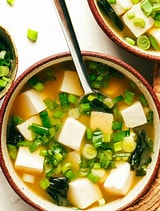
Miso soup, or miso-shiur in Japanese, is a traditional soup made primarily from dashi (Japanese stock) and miso paste (fermented soybean paste). While it might sound simple, its depth of flavour and nutritional benefits are remarkable.
A good bowl of miso soup is a study in balance:
- Dashi provides a clear, umami-rich base.
- Miso paste adds depth, saltiness, and body.
- Ingredients like tofu, wakame (seaweed), and green onions offer texture and visual appeal.
Cultural Significance
In Japan, miso soup isn’t a special-occasion dish—it’s a daily essential. Many Japanese families enjoy it every morning, much like how people in the West drink coffee or eat cereal. It’s served alongside rice and a small protein or pickled vegetables, forming a nutritionally balanced meal.
Moreover, miso soup is deeply symbolic in Japanese households. It’s often one of the first dishes children learn to make and is traditionally served at significant life events—from weddings to funerals—as a gesture of care and nourishment.
2. The Core Ingredients
To make authentic miso soup, you only need a few ingredients, but each plays a vital role in creating the right flavor and texture.
A. Dashi (だし) – The Broth
Dashi is the foundation of miso soup. Unlike Western stocks that are simmered for hours, dashi is light, quick to prepare, and highlights umami.
Common types include:
- Kombu Dashi – Made from dried kelp, this vegetarian dashi has a clean, oceanic flavor.
- Katsuobushi Dashi – Made from dried, fermented bonito flakes. This version is smoky, savory, and very traditional.
- Awase Dashi – A blend of kombu and katsuobushi, this is the most common base for miso soup.
- Niboshi Dashi – Made from dried anchovies, producing a stronger, saltier broth.
- Vegan Dashi – Kombu combined with shiitake mushrooms for a rich, meat-free umami base.
B. Miso Paste (味噌)
Miso paste is a fermented mixture of soybeans, salt, and koji (a type of fungus used in Japanese fermentation). The fermentation process can last from a few weeks to several years, influencing the flavor and color.
There are three main types of miso:
- White Miso (Shiro Miso) – Light in color and mild in flavor, slightly sweet, and ideal for beginners.
- Red Miso (Aka Miso) – Darker, saltier, and stronger in taste due to longer fermentation.
- Mixed Miso (Awase Miso) – A blend of white and red miso, offering balance and versatility.
C. Add-ins and Garnishes
While the basic soup contains only miso and dashi, most versions include ingredients that complement the broth:
- Tofu – Soft (silken) tofu adds protein and a creamy texture.
- Wakame Seaweed – Dried seaweed that rehydrates in the soup, giving a pleasant chewiness.
- Green Onions (Scallions) – Add color, freshness, and a mild bite.
- Daikon Radish, Mushrooms, Potatoes, or Carrots – Optional ingredients that make the soup heartier.
3. Step-by-Step: How to Prepare Classic Miso Soup
Let’s walk through the process of making a traditional miso soup for about 4 servings.
Ingredients
- 4 cups (1 liter) dashi stock
- 3 tablespoons miso paste (white, red, or mixed)
- ½ cup cubed tofu (preferably silken or soft)
- 2 tablespoons dried wakame seaweed
- 2 green onions, finely chopped
Instructions
Step 1: Prepare the Dashi
If you’re making dashi from scratch (recommended for authenticity):
- Kombu Dashi Method:
- Soak a piece of dried kombu (about 4×4 inches) in 4 cups of water for 30 minutes.
- Slowly heat the water until just before boiling.
- Remove the kombu (don’t boil it—it can turn bitter).
- Add Katsuobushi (optional):
- Once the kombu is removed, add a handful of bonito flakes.
- Simmer gently for 2–3 minutes, then strain.
Alternatively, you can use instant dashi powder, available at Asian supermarkets, for a faster version.
Step 2: Add Wakame and Tofu
- Add the dried wakame to the hot (but not boiling) dashi. It will rehydrate within 2–3 minutes.
- Gently add cubed tofu. Avoid vigorous stirring to prevent breaking the tofu.
Step 3: Dissolve the Miso
This step is crucial for texture and taste.
- Ladle a small amount of hot dashi into a small bowl.
- Add the miso paste to this bowl and stir until fully dissolved.
- Pour this mixture back into the pot and stir gently.
Important:
Never boil the soup after adding miso! Boiling destroys the beneficial enzymes and alters its delicate flavor.
Step 4: Add Green Onions and Serve
- Add the chopped green onions just before serving.
- Pour the soup into bowls and enjoy immediately while warm.
4. Tips for Perfect Miso Soup
- Mind the temperature: Keep the soup below boiling once miso is added.
- Adjust saltiness: Miso paste varies in salt content—start with less and adjust to taste.
- Storage: Miso soup is best fresh but can be refrigerated for 2–3 days. Reheat gently, never to a boil.
- Protein boost: Add small pieces of cooked salmon, clams, or shrimp for extra heartiness.
- Umami enhancer: Add mushrooms like shiitake or enoki to deepen the flavor naturally.
5. Variations of Miso Soup
The beauty of miso soup lies in its adaptability. Across Japan, regional and seasonal variations abound, each reflecting local produce and traditions. Let’s look at some popular and creative twists.
A. Tofu and Wakame Miso Soup (Standard)
The classic version described above—light, simple, and elegant. Perfect as an introduction to miso soup.
B. Mushroom Miso Soup
Ingredients:
Dashi, miso, assorted mushrooms (shiitake, enoki, shimeji), tofu, green onions.
Flavor Profile:
Rich and earthy. The mushrooms enhance umami, making it a satisfying vegetarian option.
Tip: Use shiitake dashi for an extra layer of mushroom flavor.
C. Clam Miso Soup (Asari Miso Shiru)
Ingredients:
Fresh clams, dashi, white miso, green onions.
Flavor Profile:
Briny, oceanic, and slightly sweet. A common restaurant in coastal areas of Japan.
Preparation Note:
Soak clams in salted water for 30 minutes to remove sand before cooking.
D. Pork and Vegetable Miso Soup (Tonjiru)
Ingredients:
Pork belly slices, carrots, potatoes, daikon, konnyaku (yam cake), sesame oil, and red miso.
Flavor Profile:
Hearty and warming. Often eaten during colder months.
Preparation Note:
Sauté the pork and vegetables lightly in sesame oil before adding dashi—this enhances aroma and depth.
E. Cold Miso Soup (Hiyajiru)
Ingredients:
Chilled dashi, white miso, cucumbers, tofu, and shiso leaves.
Flavor Profile:
Refreshing and light—ideal for summer.
Tip: Use ice-cold dashi and whisk in the miso just before serving.
F. Egg Miso Soup
Ingredients:
Dashi, miso, beaten egg, tofu, and scallions.
Flavor Profile:
Silky and mild, with soft ribbons of cooked egg floating in the broth.
Preparation Note:
Add the beaten egg while gently stirring the hot soup, but before adding miso.
G. Spicy Miso Soup
Ingredients:
Dashi, red miso, chili paste (togarashi or gochujang), tofu, mushrooms.
Flavor Profile:
A fusion twist that combines the comforting umami of miso with a hint of heat.
Tip: Adjust chili level to your spice tolerance.
6. Health Benefits of Miso Soup
Miso soup isn’t just comforting—it’s incredibly nutritious.
Probiotics and Gut Health
Because miso is a fermented food, it contains beneficial bacteria (especially if unpasteurized) that support digestion and gut health.
Rich in Nutrients
- Protein: From soybeans and tofu.
- Minerals: Especially zinc, manganese, and copper.
- Vitamins: B vitamins and vitamin K.
- Antioxidants: From seaweed and miso itself.
Low in Calories
A bowl of miso soup typically has only about 40–60 calories, making it a light yet satisfying addition to meals.
7. Pairing Miso Soup with Other Japanese Dishes
In traditional Japanese meals, miso soup is served alongside:
- Steamed rice (Gohan)
- Grilled fish (Yakizakana)
- Pickled vegetables (Tsukemono)
- Natto (fermented soybeans)
For a full Japanese-style breakfast, a simple spread of these items offers a beautiful balance of flavors and nutrients.
8. Storing and Reusing Ingredients
Miso Paste:
Keep miso paste in an airtight container in the refrigerator. It lasts for months due to its salt content, and the flavor can even improve with time.
Dashi:
Fresh dashi can be refrigerated for up to 3 days or frozen for up to 2 months.
Tofu:
Store in water in the fridge and change the water daily if not used immediately.
9. Making It Your Own
Once you master the basics, miso soup becomes a canvas for creativity. You can tailor it based on:
- Season: Add root vegetables in winter, light greens in summer.
- Diet: Use gluten-free miso or vegan dashi.
- Personal taste: Experiment with different miso blends for unique flavor profiles.
Remember—the key to great miso soup is balance. Each bowl should feel harmonious: salty but soothing, light yet deeply flavorful.
10. Conclusion
Miso soup is more than a recipe—it’s a reflection of Japanese culinary philosophy: respect for ingredients, balance of flavor, and simplicity in preparation. Despite its humble appearance, every bowl carries centuries of tradition and a sense of connection to everyday Japanese life.
Whether you enjoy the classic tofu and wakame version or explore heartier adaptations like tonjiru, miso soup offers comfort, nutrition, and versatility in one bowl. Best of all, it’s incredibly easy to make once you understand the fundamentals.
So next time you crave something nourishing yet elegant, reach for a jar of miso and a pot of dashi—you’ll be surprised how much joy a simple bowl of soup can bring.