Category: Uncategorized

  • The Comforting Embrace of Beans Porridge: A culinary Journey and Guide For Beans Porridge.

     This dish is made by boiling beans until tender and then simmering them with spices, oil, and other ingredients like onions, pepper, and palm oil to create a thick, porridge-like consistency.

    In a world where healthy, plant-based eating is on the rise, beans porridge stands out as a budget-friendly, nutrient-dense meal that’s easy to prepare and highly adaptable.

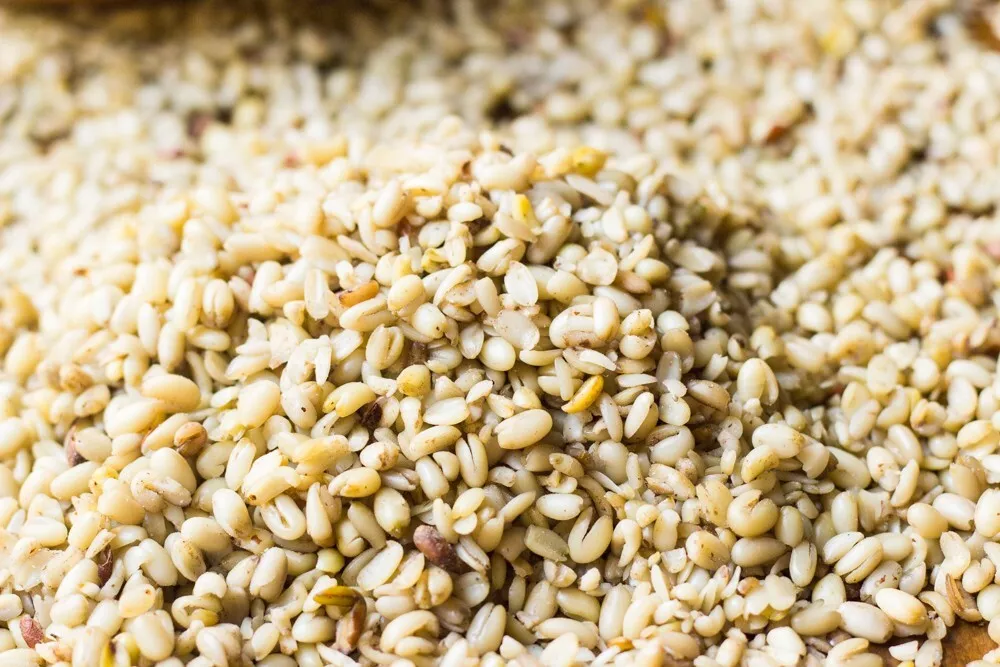
    There are three main varieties of beans that my mom uses to make this dish, namely honey beans or black eye peas or Nigerian brown beans. The best beans to use for this recipe is honey beans because it has unique and slightly sweet flavour that really elevate your dish, but either of the other beans would do just fine. Get excited about getting healthy, Love yourself enough to live a healthy life style, which is clean eating. Minimize

    Consuming refined sugars, processed ingredients and artificial additives and be eating foods like beans porridge. Nourish your body with nutrient rich foods like beans porridge.


     Ingredients for Beans Porridge

    Before we begin cooking, let’s look at the ingredients you’ll typically need for a classic beans porridge:

    Basic Ingredients:

    • 2 cups of brown or black-eyed beans (or any variety of your choice)
    • 1 medium onion (chopped)
    • 2 tablespoons of palm oil (or vegetable oil)
    • 1-2 seasoning cubes (like Maggi or Knorr)
    • Salt to taste
    • 1-2 cups of water (for cooking)

    Optional Add-Ins:

    • Diced tomatoes
    • Scotch bonnet pepper or chili
    • Crayfish or dried shrimp
    • Yam chunks, sweet potatoes, or plantains
    • Spinach or pumpkin leaves
    • Groundnut oil or coconut oil (for variation)

     Step-by-Step Guide to Preparing Beans Porridge

    Let’s walk through the preparation process step-by-step:

    Step 1: Sort and Wash the Beans

    Pick out any stones or bad beans from your selection. Rinse thoroughly under running water.

    Step 2: Pre-cook the Beans

    Place the washed beans in a large pot, add enough water to cover the beans, and bring to a boil.

    Boil until the beans are soft and mushy. This may take 45–60 minutes with regular cooking or about 20–30 minutes with a pressure cooker.

    Step 3: Prepare the Sauce

    In a separate pan, heat palm oil and sauté the onions until translucent. Add blended pepper, tomatoes, and any seasonings (like crayfish, curry powder, and seasoning cubes). Let it cook for about 10 minutes.

    Step 4: Combine and Simmer

    Once the beans are cooked, add the sauce to the beans pot. Stir well and let it simmer on low heat. Adjust water as needed for your desired consistency. Add salt to taste.

    Step 5: Add Extras (Optional)

    You can add diced plantains or yam during the final 10–15 minutes of cooking, or stir in some greens like spinach just before serving for extra nutrition.

    Step 6: Serve and Enjoy

    Serve hot, either with rice, or a side of boiled plantain


     Recipe Variations across Regions

    Beans porridge isn’t a one-size-fits-all dish. Here are a few variations found around the world:

    West African Style

    Uses palm oil, crayfish, and spicy peppers. It’s often paired with fried plantain or fried yam.

    Caribbean Style

    Includes coconut milk, thyme, allspice, and sometimes rice (as in “rice and peas”).

    Latin American Style

    Often includes black beans, cumin, garlic, and cilantro, and is eaten with tortillas or rice.

    Southern US Style

    “Beans and cornbread” is a popular dish. Beans are simmered with ham hocks, onions, and seasoning.

    Each version brings its own unique twist, offering delightful flavour profiles from different cultures.


     Nutritional Profile of Beans

    Beans are one of nature’s most nutrient-dense foods. Here’s a breakdown of what they provide per cup (cooked):

    • Protein: 13–15 grams
    •  
    • Fiber: 12–15 grams
    • Iron: 20% of the recommended daily value
    • Folate: Over 50% of the daily requirement
    • Magnesium, Potassium, and Zinc
    • Low Fat and Cholesterol-Free

    Because of their high fiber and protein content, beans keep you fuller longer, making them great for weight management.


     Health Benefits of Beans Porridge

    Adding beans porridge to your weekly meals can offer a wealth of health benefits:

    1. Heart Health

    One of the most important dietary recommendations for maintaining a healthy heart is reducing saturated fat and cholesterol intake. These substances can lead to plaque build-up in the arteries, increasing the risk of heart attacks and strokes.

    Beans contain no cholesterol and are naturally low in total fat—especially saturated fat. This makes them an ideal protein source to replace red or processed meats, which are often high in saturated fat and harmful to heart health.

         Quick Fact:

    A single cup of cooked beans contains only about 1 gram of fat, compared to the 15–20 grams in a serving of red meat.

    When prepared with minimal added oil and paired with heart-friendly ingredients, beans porridge becomes a low-fat, heart-supporting powerhouse.

    2. Blood Sugar Control

    Thanks to their low glycaemic index and fiber content, beans help regulate blood sugar levels, making them ideal for diabetics.

    Dietary fiber is one of the most critical components in beans when it comes to regulating blood sugar levels. Beans are incredibly high in fiber, particularly soluble fiber, which dissolves in water to form a gel-like substance in the gut. This slows down the digestion and absorption of sugars, effectively flattening the glucose curve after a meal.

    One cup of cooked beans contains anywhere from 12 to 15 grams of fiber, depending on the variety — that’s nearly half the recommended daily intake! When prepared as a porridge with vegetables and minimal oil, beans offer a wholesome, low-glycaemic meal that supports healthy digestion and metabolic function.

    Cook a large pot of beans porridge and divide it into smaller portions for the week. Not only does this save time, but as mentioned earlier, reheating beans can increase resistant starch content, giving an extra boost to blood sugar control.

    3. Weight Management

    Rich in fiber and protein, beans porridge promotes safety and reduces the likelihood of overeating. Excess weight strains the heart and increases blood pressure, and raises cholesterol. One of the easiest ways to maintain a healthy weight is to eat foods that are nutrient -dense and satisfying.

    Beans porridge ticks all the boxes:

    • High in fiber
    • High in protein
    • Low in fat
    • Keeps you full longer

    This can lead to reduced calorie intake over time and a healthier body mass index (BMI), which is linked to better heart health.


    4. Digestive Health

    The high fiber content supports a healthy gut micro biome and prevents constipation. Your gut houses trillions of microorganisms, collectively called the gut micro biota, which play a vital role in digestion, nutrient absorption, and immune function.

    Beans as Prebiotics:

    The fiber and resistant starches in beans act as prebiotics, which feed the beneficial bacteria in your gut. When these bacteria ferment the fiber, they produce short-chain fatty acids (SCFAs) like butyrate, acetate, and propionate. These SCFAs:

    • Nourish the colon lining
    • Reduce inflammation
    • Strengthen the gut barrier
    • Support immune function

    Regularly eating beans porridge can help maintain a balanced micro biome, which is crucial for healthy digestion.


    5. Muscle Growth and Repair

    With nearly as much protein per cup as some animal sources, beans help in building and repairing muscle tissues.

    One of the most important nutrients for muscle growth is protein, and beans are loaded with it. For example, a cup of cooked kidney beans contains about 15 grams of protein. This plant-based protein is essential for repairing damaged muscle fibres and laying down new ones after workouts.

    While beans don’t contain all nine essential amino acids in the ideal ratio (they’re low in methionine), combining them with grains like rice or cornmeal (often eaten alongside porridge) results in a complete protein source. This makes beans porridge a particularly effective meal for muscle repair.

    Beans are high in antioxidants, particularly polyphenols and flavonoids, which help combat oxidative stress caused by intense exercise. Reducing inflammation is critical to preventing muscle soreness and speeding up the recovery process.

    Examples:

    • Black beans are rich in anthocyanins, a powerful antioxidant.
    • Pinto beans contain kaempferol, which has anti-inflammatory properties.

    By reducing muscle inflammation and protecting muscle cells from oxidative damage, these compounds contribute to faster healing and better muscle health.

    6. Bone Health

    Beans are a good source of magnesium, calcium, and phosphorus, all of which are essential for strong bone.

    Beans porridge is more than comfort food—it’s a practical and accessible way to support bone health at every age. Packed with calcium, magnesium, protein, and other essential nutrients, it serves as a holistic meal that aligns with both traditional wisdom and modern nutritional science.

    Whether you’re looking to prevent osteoporosis, support a child’s development, or just eat more healthily, incorporating beans porridge into your regular meal rotation is a smart, tasty choice.

    7. Cancer Prevention

    The antioxidants and phytochemicals in beans may help reduce inflammation and the risk of certain cancers.

    Chronic inflammation is a key driver of cardiovascular disease. Luckily, beans are rich in polyphenols, plant compounds that function as antioxidants. These compounds help reduce oxidative stress, which damages cells and arteries.

    Black beans, red kidney beans, and pinto beans—all common in various porridge recipes—are particularly high in antioxidants. When combined with onions, garlic, tomatoes, and pepper, as is traditional in many recipes, the dish becomes a nutritional anti-inflammatory bomb

    8. Boosts Immune Function

    Nutrients like zinc aids the immune system, aiding in the body’s defence against illness.

    Beans contain various phytochemicals like saponins, lectins, and phytic acid, which may have immune-enhancing effects. While some of these compounds are considered “anti-nutrients,” proper cooking (like soaking and boiling beans during porridge preparation) reduces their levels significantly while retaining their immune-supportive properties.

    One great thing about beans porridge is that it’s versatile. You can add a variety of immune-supporting ingredients such as:

    • Spinach or pumpkin leaves– rich in vitamin A, C, iron, and magnesium.
    • Garlic and ginger – natural antimicrobials and inflammation reducers.
    • Turmeric – contains curcumin, which has potent immune-modulating effects.

    This adaptability allows you to customize beans porridge into a supercharged immune-boosting meal.

     Iron is vital for the proliferation and maturation of immune cells, particularly lymphocytes. Beans are rich in iron, which, when combined with vitamin C-rich vegetables (like tomatoes or pepper in the porridge), is better absorbed.

    Iron deficiency, especially common in women and children, compromises immune response and increases infection risk. Beans porridge is a practical, plant-based way to help maintain healthy iron levels.


    9. A Low-Glycaemic, High-Satiety Meal

    Many processed or carbohydrate-rich meals cause blood sugar spikes, leading to inflammation and damage to blood vessels over time. Beans, on the other hand, have a low glycaemic index (GI).

    This means they:

    • Release sugar slowly into the bloodstream
    • Help keep insulin levels stable
    • Prevent overeating due to their high fiber and protein content

    Over time, this translates to better blood sugar control, reduced cravings, and a lower risk of heart disease—especially for people with or at risk of type 2 diabetes.

    10. Supports Colon Health

    Maintaining a healthy colon is essential for overall digestive function. The SCFAs generated from beans’ fermentation—especially butyrate—are known to:

    • Promote the growth of colon cells
    • Reduce the risk of colon cancer
    • Lower inflammation in the colon
    • Enhance the colon’s repair mechanisms

    Studies have linked high-fiber diets, particularly those rich in legumes, to a lower incidence of colorectal cancer and inflammatory bowel diseases like Crohn’s disease and ulcerative colitis


    11. Reduces Gas and Bloating Over Time

    Many people avoid beans due to the fear of gas and bloating. While beans do contain oligosaccharides—fermentable sugars that can cause gas—regular consumption helps your gut adapt.

    Over time:

    • Gut bacteria become more efficient at breaking down these sugars
    • Gas production decreases
    • Digestive comfort improves

    Cooking beans thoroughly, soaking them overnight, and adding digestive herbs like ginger or cumin to your porridge can also help minimize these side effects.

    12. Beans Porridge and Chronic Disease Prevention

    A strong immune system is linked with lower risk of chronic diseases like:

    • Diabetes
    • Cardiovascular diseases
    • Obesity

    Beans porridge, being low in saturated fat and high in complex carbs and fiber, helps regulate blood sugar, maintain healthy weight, and control blood pressure—all of which support immune function indirectly.

    Why Beans Porridge is a Superior Way to Eat Beans

    You might wonder, “Why not just eat a plain bowl of boiled beans?” That’s a valid question. While beans in any form offer benefits, beans porridge stands out because:

    • It includes other bone-friendly ingredients: Traditional beans porridge recipes often include vegetables like spinach, carrots, and bell peppers, all rich in vitamins C, A, and K—crucial for collagen formation and calcium regulation.
    • It often uses healthy oils: Cooking with palm oil, olive oil, or other plant-based oils adds vitamin E and essential fatty acids, which reduce inflammation and support bone cells.
    • It’s customizable: You can easily add fish, sweet potatoes, or plantains, all of which bring their own bone-boosting nutrients like vitamin D, calcium, and potassium.
    • It’s easy to digest: Cooking beans into a soft porridge makes them gentler on the digestive system, allowing better absorption of nutrients.

    8. Common Myths about Beans

    Myth 1: Beans Cause Too Much Gas

    While it’s true that beans can lead to bloating, soaking and cooking them properly significantly reduces this effect. Also, your body adjusts over time as you eat beans more regularly.

    Myth 2: Beans Aren’t Complete Proteins

    While beans don’t contain all essential amino acids, pairing them with grains like rice makes them a complete protein source.

    Myth 3: Beans Take Too Long to Cook

    Soaking it a little for like 10 minutes, pressure cooking, or using canned beans can drastically reduce prep time.

    Myth 4: Beans Are Bland

    With the right spices, herbs, and add-ins, beans can be incredibly flavourful.


     FAQs

    Can I refrigerate or freeze beans porridge?

    Yes! Beans porridge keeps well in the refrigerator for up to 5 days and in the freezer for up to 3 months. Just reheat with a little water.

    Can I make it vegan?

    Beans porridge is naturally vegan, especially when made with plant-based oils and no meat or fish.

    Which beans are best for porridge?

    Brown beans, black-eyed peas, pinto beans, and kidney beans all work well, depending on your regional preference.

    Is it suitable for children?

    Absolutely! Beans are an excellent source of nutrients for growing kids. Just reduce the spice level.


     Conclusion

    Beans porridge is a testament to how simple, humble ingredients can be transformed into a hearty, satisfying, and nutritious meal. Whether you’re trying to eat healthier, cut costs, or embrace plant-based living, beans porridge deserves a spot on your menu.

    Incorporating beans porridge into your diet even a few times a week can have lasting positive effects on your digestive health and also give you its other benefits. Plus, it’s a dish that can be endlessly adapted to suit various dietary needs and flavour preferences.

    So, the next time you’re looking for a meal that’s not just filling but healing, a warm bowl of beans porridge might just be your best choice.


    This dish is rich in flavour, and nutrition—and when prepared, it brings joy to every table. Try different variations, experiment with ingredients, and make it your own. Once you’ve mastered the basics, you’ll find endless ways to enjoy this wholesome meal.

    Happy cooking—and even happier eating! 
  • Breadfruit: A Tropical Treasure and it’s Abundance of Health Benefits

    In a world increasingly concerned with food security, climate change, nutrition, and sustainability, breadfruit stands out as a remarkably underappreciated super food. Indigenous to the Pacific Islands, the Caribbean, and parts of Southeast Asia and now grown in tropical regions across the globe, breadfruit has a long and storied history as a staple food. Its impressive nutritional profile, agricultural sustainability, culinary versatility, and cultural significance all make it an ideal candidate for more widespread consumption. With modern science validating what ancient communities have long known, it’s time the world gave breadfruit the attention—and plate space—it deserves.

    Breadfruit, a starchy tropical fruit, has been a dietary staple in many regions. This versatile fruit is not only delicious but also packed with nutritional benefits. Whether roasted, fried, boiled, or made into a dessert, breadfruit offers a variety of ways to be enjoyed. In this blog, we will explore how to prepare breadfruit and the numerous health benefits it provides.

    Why You Should Be Eating Breadfruit

    1. Nutritional Powerhouse

    One of the most compelling reasons to eat breadfruit is its nutritional value. Often compared to other starchy staples like potatoes, rice, or wheat, breadfruit not only matches but in many ways surpasses them.

    A single cup of cooked breadfruit contains:

    • Approximately 230 calories
    • 60 grams of carbohydrates
    • 4 grams of dietary fiber
    • 2 grams of protein
    • Vital minerals like potassium, magnesium, calcium, and iron
    • Vitamins such as C, B1 (thiamine), B3 (niacin), and B6

    Unlike many other starchy foods, breadfruit is naturally gluten-free and low in fat. It has a low glycaemic index, which means it releases sugar slowly into the bloodstream, helping to regulate blood sugar levels. This makes it a great food choice for people with diabetes or those trying to manage their weight.

    Breadfruit is also a complete protein—an unusual trait for a plant-based food. It contains all nine essential amino acids that the human body cannot produce on its own. This makes it especially valuable in vegetarian and vegan diets, where getting enough high-quality protein can sometimes be a challenge.

    2. Sustainability and Environmental Benefits

    As the world grapples with the effects of climate change, food systems must evolve to be more sustainable. Breadfruit is a standout in this regard. It is a high-yielding, perennial crop that can produce large quantities of food with relatively low environmental impact.

    Once a breadfruit tree is planted, it can produce fruit for over 50 years. A single mature tree can yield 200 to 500 fruits annually—translating to up to 2,000 pounds of food. Unlike annual crops, which require repeated tilling, sowing, and harvesting, breadfruit trees require minimal maintenance after they are established. This reduces soil erosion and preserves the integrity of the land.

    Breadfruit trees also sequester carbon, contributing to efforts to reduce greenhouse gases in the atmosphere. Their expansive canopies provide shade, help regulate local climates, and create microhabitats for other plants and animals. For communities in tropical regions, planting breadfruit trees can improve food security, support biodiversity, and foster environmental resilience.

    Moreover, breadfruit trees are well-suited to agroforestry systems, where they can be integrated with other crops and plants in a mutually beneficial arrangement. This promotes sustainable land use and reduces dependence on monoculture farming, which is often environmentally destructive.

    3. Food Security and Global Hunger

    According to the United Nations, nearly 10% of the world’s population suffers from hunger or malnutrition. Breadfruit has the potential to play a major role in addressing this crisis, particularly in tropical regions where food insecurity is most acute.

    Breadfruit grows in more than 90 countries, primarily in Africa, Southeast Asia, Central and South America, and the Caribbean. It thrives in poor soils and humid climates, making it ideal for regions with limited agricultural infrastructure.

    Its high productivity and nutritional density make it a strategic crop for food security initiatives. Because it can be eaten fresh, dried, or ground into flour, breadfruit is highly adaptable to local culinary practices and can substitute for less nutritious staples. In many ways, it is the ultimate survival food: abundant, nourishing, and sustainable.

    Organizations like the Breadfruit Institute and Trees That Feed Foundation are working to distribute breadfruit trees to communities in need, promoting reforestation and helping families build resilience through food sovereignty.

    4. Culinary Versatility

    Another reason people should eat more breadfruit is its incredible versatility in the kitchen. Depending on its ripeness, breadfruit can be used in a variety of savoury or sweet dishes. When green and firm, it behaves like a potato—ideal for frying, roasting, baking, or boiling. As it ripens, it becomes softer and slightly sweet, perfect for desserts or baked goods.

    Because it absorbs flavours well, breadfruit pairs beautifully with spices, herbs, meats, vegetables, and sauces. For food entrepreneurs and home cooks alike, it offers endless possibilities for innovation.

    In Hawaii, breadfruit is known as ‘ulu . In the Caribbean, it’s a beloved staple often served with salted fish. With the rise of fusion cuisines and plant-based cooking, breadfruit is finding its way into everything from gourmet menus to street food stalls.

    5. Cultural and Historical Significance

    Breadfruit isn’t just a food; it’s a symbol of cultural identity and heritage in many communities. In Polynesia, breadfruit is considered sacred and is deeply woven into mythology and daily life. The trees are often passed down through generations as a source of nourishment and economic stability.

    The infamous voyage of the HMS Bounty in the 18th century revolved around the transport of breadfruit plants from Tahiti to the Caribbean as part of British colonial agricultural experiments. While the historical context of such events is complex, it underscores how highly breadfruit was valued even then for its potential as a global food resource.

    Reviving traditional breadfruit cultivation and consumption also plays a role in decolonizing food systems. Many indigenous communities are now reclaiming and promoting breadfruit as part of a broader movement toward food sovereignty, cultural preservation, and environmental stewardship.

    6. Economic Opportunities

    With rising global demand for gluten-free and plant-based foods, breadfruit presents exciting economic opportunities for farmers, entrepreneurs, and food processors. Breadfruit flour, in particular, has commercial potential as a high-quality alternative to wheat and other flours. It can be used to make pasta, bread, pancakes, and more, offering gluten-free options to consumers without sacrificing taste or texture.

    Processing breadfruit into chips, frozen pulp, or ready-to-cook meals also allows for year-round availability and export potential. This can create new markets and revenue streams for small-scale farmers in tropical regions. With proper investment and support, the breadfruit economy could become a significant contributor to rural development and international trade.

    Governments and NGOs can support this by investing in infrastructure, research, education, and fair trade practices, ensuring that the communities who grow breadfruit benefit equitably from its commercialization.

    7. Health and Wellness Trends

    In today’s health-conscious world, more people are looking for natural, whole-food options to support wellness. Breadfruit fits perfectly into this trend. It is free from preservatives and additives, nutrient-dense, and suitable for various diets, including vegetarian, vegan, gluten-free, and paleo lifestyles.

    Scientific studies are also beginning to explore breadfruit’s potential medicinal properties. Preliminary research suggests it may have anti-inflammatory, antioxidant, and antimicrobial effects, thanks to its bioactive compounds. Some researchers have even proposed that breadfruit extracts could be developed into natural medicines or functional foods.

    For consumers looking to move away from highly processed foods and embrace more natural, nutrient-rich options, breadfruit offers a delicious and wholesome solution.

    Ways to Prepare Breadfruit

    1. Frying Breadfruit

    Frying is one of the most traditional methods of preparing breadfruit. It enhances its natural flavour.

    Ingredients:

    • 2 cups of African breadfruit .

    Instructions:

    1. Add the bread fruit in a saucepan and place under a medium heat.
    2. Continue stirring the bread fruit seeds until they begin to pop and the seeds turn golden colour in appearance.
    3. Once the bread fruit is properly fried, bring down from heat and allow to cool down before peeling the skin.
    4. Then serve cold with either coconut or palm kernel nuts.
    5. B You can fry the bread fruit either with the skin on or peeled.
    6. You can alternatively peel the breadfruit skin after frying.

       2. Boiling Breadfruit

    Boiling is a simple and effective way to prepare breadfruit.

     Preparation

    • Wash: Wash the bread fruit thoroughly in cold water.
    • Add water: Pour enough water into a pot to cover the bread fruit, about 1 inch above it and allow to boil for like 15mins. 
    • Add ingredients: Add edible potash, dry fish or stock fish, and stock cubes. 
    • Cook: Cover the pot and cook until the bread fruit is very soft, and the seeds melt when pressed. 
    • Add palm oil: Add enough palm oil to the well-done bread fruit. 
    • Season: Add pepper, crayfish, and salt.
    • Simmer: Stir, cover, and cook on medium heat until the palm oil changes colour from red to yellow. 

    Bring down the pot and serve.

    Health Benefits of Breadfruit

    1. Rich in Nutrients

    Breadfruit is an excellent source of essential vitamins and minerals such as:

    • Vitamin C: Boosts the immune system and promotes healthy skin.
    • Potassium: Helps regulate blood pressure and supports heart health.
    • Fiber: Aids digestion and promotes gut health.
    • Magnesium: Supports bone health and muscle function.

    2. Supports Digestive Health

    Breadfruit is high in dietary fiber, which improves digestion and prevents constipation. It also supports the growth of beneficial gut bacteria, enhancing overall gut health.

    3. Helps with Weight Management

    Since breadfruit is a low-fat, high-fiber food, it helps keep you full longer, reducing overeating. Its complex carbohydrates provide sustained energy without causing spikes in blood sugar levels.

    4. Boosts Heart Health

    Breadfruit contains potassium and fiber, both of which contribute to heart health. Potassium helps regulate blood pressure, while fiber helps lower cholesterol levels, reducing the risk of cardiovascular diseases.

    5. Aids in Blood Sugar Control

    Despite being a starchy fruit, breadfruit has a lower glycaemic index compared to other carbohydrate sources, making it suitable for people managing diabetes.

    Breadfruit is a tropical fruit native to the Pacific Islands and widely cultivated in the Caribbean, Southeast Asia, and parts of Africa, is gaining global attention for its nutritional value. Traditionally a staple food in many indigenous cultures, breadfruit is revered not only for its versatility in cooking but also for its health benefits. One of the most significant among these is its potential role in regulating blood sugar levels—a concern of growing importance in the face of the global diabetes epidemic.

    Diabetes, particularly type 2 diabetes, is characterized by insulin resistance and elevated blood glucose levels. Managing this condition often involves dietary strategies aimed at reducing blood sugar spikes, improving insulin sensitivity, and promoting overall metabolic health. Breadfruit, with its unique combination of dietary fiber, complex carbohydrates, phytonutrients, and low glycaemic index, has emerged as a valuable component of a blood sugar-friendly diet. This essay explores how eating breadfruit supports blood sugar control, drawing from nutritional science, traditional knowledge, and emerging research.

    6. Strengthens the Immune System

    The high vitamin C content in breadfruit strengthens the immune system, helping the body fight infections and inflammation.

    7. Promotes Healthy Skin and Hair

    The antioxidants in breadfruit, along with its vitamin C and omega-3 fatty acids, contribute to healthier skin and hair, preventing signs of aging and promoting a natural glow.

    8. Gluten-Free Alternative to Refined Grains

    For individuals with gluten sensitivity or celiac disease, many traditional grain-based options can be problematic. Breadfruit flour provides a gluten-free, nutrient-rich alternative to refined wheat flour, which is often high in simple carbohydrates and contributes to rapid blood sugar spikes.

    Using breadfruit flour in baking or as a thickener in soups and sauces allows for more stable blood sugar levels compared to high-GI alternatives like white rice or processed flour. This makes it a valuable tool in creating diabetic-friendly recipes.

    Conclusion

    Breadfruit is a nutritious, versatile, and delicious food that can be prepared in various ways to suit different culinary preferences. Whether roasted, boiled, fried, or mashed, breadfruit provides a rich source of essential nutrients that support overall health. Including this amazing fruit in your diet can offer numerous benefits, from improved digestion to better heart health. Try experimenting with different cooking methods to enjoy its unique flavour and reap its nutritional advantages!

    Breadfruit is more than just a tropical fruit—it is a powerful symbol of what sustainable, nutritious, and culturally respectful food systems can look like. It meets the needs of the present without compromising the ability of future generations to feed themselves. Its ability to thrive in challenging climates, its impressive nutritional content, and its role in history and tradition make it a food worth rediscovering and promoting on a global scale.

    With a little creativity and a shift in perspective, breadfruit can take its rightful place among the world’s most important crops. Whether you’re a farmer seeking resilient agriculture, a chef exploring new ingredients, or a consumer wanting to eat healthier and support the planet, breadfruit deserves a spot on your plate—and in your heart.

    It time the world embraced the humble breadfruit, not just as food, but as a pathway to a more just, sustainable, and delicious future.

  • How to Prepare Boiled Yam, Garden Egg Stew and Their Health Benefits.

    Introduction

    Boiled yam and garden egg stew is a popular and nutritious dish enjoyed in many African countries, like Ghana. This dish is simple yet packed with flavor and essential nutrients. It is a great combination of energy-giving carbohydrates from the yam and fiber-rich garden eggs (eggplants), which provide numerous health benefits. In this article, we will explore how to prepare this delicious meal and delve into its health benefits.

    Eating healthy is an essential part of maintaining a balanced lifestyle. One such nutritious and delicious dish that is widely enjoyed in many parts of the world is boiled yam with garden egg stew. This combination is not only a culinary delight but also packed with numerous health benefits. Also in this blog, after exploring the health benefits of eating boiled yam and garden egg stew, I will outline why they should be a staple in your diet.

    Why you should be eating this combination, Boiled yam and Garden Egg Stew

    When combined, boiled yam and garden egg stew create a well-balanced meal that offers a wide range of health benefits. Below are some reasons why this combination is a must-try:

    1. Balanced Nutrient Profile

    This dish provides a perfect balance of protein, healthy fats, fiber, vitamins, and minerals. It supports muscle growth, digestion, and overall well-being.

    2. Satisfying and Filling

    The combination of protein from boiled eggs and fiber from garden eggs makes this meal highly satisfying, reducing hunger and preventing unnecessary snacking.

    3. Easy to Prepare

    Boiled eggs and garden egg stew are simple and quick to prepare. With minimal ingredients and preparation time, you can enjoy a healthy and delicious meal.

    4. Versatile and Customizable

    This meal can be customized by adding ingredients like fish, chicken, or healthy oils to enhance its flavor and nutritional value. It can also be paired with whole grains like brown rice or quinoa for a more substantial meal.

    5. Boosts Energy Levels

    The combination of eggs and garden eggs provides sustained energy, making it an excellent meal option for breakfast, lunch, or dinner.


    Ingredients for Boiled Yam and Garden Egg Stew

    For Boiled Yam:

    • 1 medium-sized tuber of yam
    • Water (for boiling)
    • A pinch of salt

    For Garden Egg Stew:

    • 8-10 garden eggs (eggplants)
    • 2 medium-sized tomatoes
    • 1 large onion (chopped)
    • 2-3 tablespoons of palm oil or vegetable oil
    • 1-2 red bell peppers (optional)
    • 1-2 Scotch bonnet peppers (for spice, optional)
    • 2 cloves of garlic (minced)
    • 1 teaspoon ginger (grated)
    • 1 teaspoon ground crayfish (optional)
    • 1 teaspoon seasoning powder or cube
    • Salt (to taste)
    • Protein of choice (e.g., smoked fish, cooked beef, or chicken)
    • 1/2 cup of chopped spinach or scent leaves (optional, for extra flavor and nutrition)

    Step-by-Step Preparation

    Step 1: Boiling the Yam

    1. Peel the Yam: Start by cutting the yam into round slices or chunks. Peel off the brown skin using a knife.
    2. Rinse and Boil: Rinse the yam slices in clean water and place them in a pot. Add enough water to cover the yam.
    3. Add Salt (Optional): Some people prefer to add a pinch of salt to enhance the taste, but this is optional.
    4. Cook until Soft: Place the pot on medium heat and let the yam boil for about 20–25 minutes or until it becomes soft when pierced with a fork.
    5. Drain and Serve: Once cooked, drain the water and keep the
    6. yam warm while you prepare the garden egg stew.

    Step 2: Preparing the Garden Egg Stew

    1. Boil the Garden Eggs: Wash the garden eggs thoroughly and place them in a pot with enough water to cover them. Boil for about 10–15 minutes until they become soft.
    2. Drain and Peel: Once cooked, drain the water and allow the garden eggs to cool slightly. Peel off the skin and mash the flesh with a fork or blend it for a smoother texture.
    3. Prepare the Sauce Base: In a separate pan, heat the palm oil or vegetable oil on medium heat. Add the chopped onions and sauté until translucent.
    4. Add Garlic, Ginger, and Peppers: Add the minced garlic, grated ginger, and chopped peppers (red bell peppers and Scotch bonnet, if using). Stir well and allow to cook for a few minutes.
    5. Incorporate Tomatoes: Chop the tomatoes and add them to the pan. Stir and let it cook until the tomatoes break down and the mixture thickens.
    6. Add the Mashed Garden Eggs: Pour the mashed garden eggs into the pan and mix well with the tomato sauce.
    7. Season the Stew: Add salt, seasoning powder or cube, and ground crayfish (if using). Stir everything together and let it simmer for about 5–7 minutes.
    8. Add Protein: Add smoked fish, cooked beef, or chicken into the stew and allow it to absorb the flavors.
    9. Final Touch: Stir in the chopped spinach or scent leaves for an extra boost of flavor and nutrients. Allow to simmer for another 2 minutes before removing from heat.
    10. Serve Hot: Your delicious garden egg stew is ready to be served with boiled yam.

    Health Benefits of Boiled Yam and Garden Egg Stew

    1. Rich in Complex Carbohydrates

    Yam is an excellent source of complex carbohydrates, which provide sustained energy. Unlike refined carbohydrates, yams release glucose slowly into the bloodstream, helping to maintain stable blood sugar levels.

    2. High in Dietary Fiber

    Both yam and garden eggs are rich in fiber, which aids digestion, prevents constipation, and promotes gut health.

    The Role of Dietary Fiber in Digestion

    One of the primary functions of dietary fiber is to support digestive health. It enhances the movement of food through the digestive tract and helps prevent various gastrointestinal issues.

    • Prevents Constipation: Insoluble fiber increases stool bulk and softens it, making it easier to pass. This reduces the risk of constipation and promotes regular bowel movements.
    • Supports Gut Micro biota: Soluble fiber serves as a prebiotic, feeding the beneficial bacteria in the gut. A healthy gut micro biome contributes to better digestion, immune function, and even mental health.
    • Reduces the Risk of Hemorrhoids and Diverticulitis: A high-fiber diet helps prevent the formation of hemorrhoids and reduces the likelihood of developing diverticulitis, a condition where small pouches form in the colon wall and become inflamed.

    Dietary Fiber and Heart Health

    Dietary fiber is known to have a positive impact on cardiovascular health in several ways:

    • Lowers Cholesterol Levels: Soluble fiber binds to cholesterol in the digestive tract and helps remove it from the body. This leads to a reduction in LDL (bad) cholesterol levels, which lowers the risk of heart disease.
    • Regulates Blood Pressure: A fiber-rich diet has been associated with lower blood pressure levels, reducing the strain on the heart.
    • Reduces Inflammation: Chronic inflammation is a risk factor for heart disease. Fiber helps reduce inflammation by promoting gut health and reducing levels of harmful substances in the bloodstream.

    The Role of Fiber in Weight Management

    Incorporating enough fiber into the diet can significantly aid in weight management by promoting satiety and reducing overall calorie intake.

    • Enhances Fullness: Fiber absorbs water and expands in the stomach, creating a sense of fullness that lasts longer. This helps prevent overeating and snacking between meals.
    • Reduces Caloric Intake: High-fiber foods tend to be lower in calories and more nutrient-dense, making them excellent choices for those looking to manage their weight.
    • Supports a Healthy Metabolism: A well-functioning digestive system, supported by fiber, helps maintain a healthy metabolism, which is essential for weight control.

    The Role of Dietary Fiber in Blood Sugar Control and Diabetes Management

    Fiber plays a critical role in regulating blood sugar levels, making it especially beneficial for people with diabetes or those at risk of developing the condition.

    • Slows Sugar Absorption: Soluble fiber slows down the absorption of sugar into the bloodstream, preventing rapid spikes in blood glucose levels.
    • Improves Insulin Sensitivity: A high-fiber diet can enhance the body’s ability to use insulin efficiently, reducing the risk of insulin resistance and type 2 diabetes.

    3. Rich in Antioxidants

    Garden eggs are rich in antioxidants, particularly anthocyanin, which help protect the body from free radicals. These antioxidants contribute to reducing inflammation and lowering the risk of chronic diseases.

    4. Boosts Heart Health

    Yam contains potassium, which helps regulate blood pressure, while garden eggs contain compounds that support heart health by reducing cholesterol levels.

    5. Promotes Eye Health

    Garden eggs contain essential nutrients such as lutein and zeaxanthin, which contribute to good vision and protect the eyes from age-related damage.

    6. Good Source of Essential Nutrients

    Yams provide essential vitamins such as Vitamin C, Vitamin B6, and manganese, which support immune function, brain health, and metabolism. Garden eggs are rich in vitamins A, C, and K, which are crucial for overall health.

    7. Aids in Blood Sugar Control Resistant starch in yams help slow down the absorption of sugar into the bloodstream, making this meal beneficial for individuals managing diabetes.

    8. Enhances Liver Function

    Studies suggest that garden eggs support liver health by reducing fat accumulation in the liver. This can be beneficial for individuals suffering from fatty liver disease or other liver conditions.

    9. Aids Digestion

    The high fiber content in garden eggs supports healthy digestion by promoting bowel movement and preventing constipation. It also helps maintain a healthy gut micro biome.

    10. Improves Bone Health

    Yam and garden eggs contain minerals like calcium, magnesium, and phosphorus, which are essential for maintaining strong and healthy bones.

    The Role of Calcium in Bone Health

    Calcium is the most abundant mineral in the body, with about 99% of it stored in bones and teeth. It is fundamental to bone strength and density.

    Functions of Calcium in Bone Health:

    1. Bone Structure and Strength: Calcium is a primary component of hydroxyapatite, a mineral complex that gives bones their hardness.
    2. Bone Remodeling: Bones undergo continuous remodeling, where old bone tissue is broken down and replaced with new tissue. Calcium plays a vital role in this process.
    3. Prevention of Osteoporosis: Adequate calcium intake helps prevent osteoporosis, a condition characterized by brittle bones prone to fractures.
    4. Muscle and Nerve Function: Although not directly related to bone structure, calcium is necessary for muscle contractions and nerve signaling, which indirectly supports bone health by preventing falls and injuries.

    The Role of Calcium in Bone Health

    Calcium is the most abundant mineral in the body, with about 99% of it stored in bones and teeth. It is fundamental to bone strength and density.

    Functions of Calcium in Bone Health:

    1. Bone Structure and Strength: Calcium is a primary component of hydroxyapatite, a mineral complex that gives bones their hardness.
    2. Bone Remodeling: Bones undergo continuous remodeling, where old bone tissue is broken down and replaced with new tissue. Calcium plays a vital role in this process.
    3. Prevention of Osteoporosis: Adequate calcium intake helps prevent osteoporosis, a condition characterized by brittle bones prone to fractures.
    4. Muscle and Nerve Function: Although not directly related to bone structure, calcium is necessary for muscle contractions and nerve signalling, which indirectly supports bone health by preventing falls and injuries.

    Ensuring Optimal Calcium Intake:

    The Recommended Dietary Allowance (RDA) for calcium varies by age and gender, with adults typically needing about 1,000-1,200 mg per day. To enhance calcium absorption, it is important to get sufficient vitamin D, as it helps the body effectively utilize calcium.

    The Role of Magnesium in Bone Health

    Magnesium is another essential mineral that supports bone health, though it is often overlooked. It plays a crucial role in bone formation and metabolism.

    Functions of Magnesium in Bone Health:

    1. Bone Mineralization: Magnesium is required for converting vitamin D into its active form, which is essential for calcium absorption and bone mineralization.
    2. Collagen Formation: Magnesium contributes to the production of collagen, a protein that provides a framework for bone mineral deposition.
    3. Bone Density Maintenance: Studies suggest that adequate magnesium intake is associated with greater bone density and a lower risk of fractures.
    4. Regulation of Calcium Levels: Magnesium helps regulate calcium levels in the blood, ensuring that excess calcium does not accumulate in soft tissues instead of bones.

    Ensuring Optimal Magnesium Intake:

    The RDA for magnesium varies by age and gender, with adults needing approximately 310-420 mg per day. Consuming a well-balanced diet rich in whole foods can help meet magnesium needs and support bone health.

    The Role of Phosphorus in Bone Health

    Phosphorus is the second most abundant mineral in the body, with about 85% of it found in bones and teeth. It works closely with calcium to maintain bone structure.

    Functions of Phosphorus in Bone Health:

    1. Formation of Hydroxyapatite: Phosphorus, in combination with calcium, forms hydroxyapatite crystals, which provide strength and rigidity to bones.
    2. Bone Growth and Repair: Phosphorus is essential for the development of new bone tissue, making it particularly important for children, adolescents, and individuals recovering from fractures.
    3. Energy Production: Phosphorus is a key component of ATP (adenosine triphosphate), which provides energy for cellular processes, including those involved in bone maintenance.
    4. Acid-Base Balance: Phosphorus helps maintain the body’s pH balance, which is essential for preventing bone mineral loss due to excessive acidity.

    Ensuring Optimal Phosphorus Intake:

    The RDA for phosphorus is about 700 mg per day for adults. Most people get sufficient phosphorus from their diets, but excessive intake (especially from processed foods and soft drinks) can interfere with calcium absorption and negatively impact bone health.

    Balancing Calcium, Magnesium, and Phosphorus for Optimal Bone Health

    While calcium, magnesium, and phosphorus are all essential for bone health, maintaining the right balance is crucial. Here are some key considerations:

    • Avoid Excessive Phosphorus Intake: High phosphorus intake, especially from processed foods and sodas, can reduce calcium absorption and weaken bones.
    • Ensure Sufficient Magnesium: Magnesium helps regulate calcium and phosphorus levels, so a deficiency can negatively impact bone health.
    • Vitamin D and K Synergy: Vitamin D enhances calcium absorption, while vitamin K helps direct calcium to bones rather than arteries or soft tissues.
    • Physical Activity Matters: Weight-bearing exercises like walking, jogging, and resistance training help strengthen bones and improves mineral retention.

    11. Boosts Immune System

    The vitamins and minerals in this meal, especially Vitamin C from garden eggs and yam, help strengthen the immune

    system and protect the body from infections.

    Conclusion

    Boiled yam and garden egg stew is a delicious and highly nutritious dish that provides numerous health benefits. It is easy to prepare and can be customized with different protein sources to suit your preference. The combination of complex carbohydrates, fiber, vitamins, and antioxidants makes this meal a perfect addition to a healthy diet. Whether you are looking to maintain a balanced diet, support heart health, or enjoy a tasty dish, this meal is an excellent choice.

    So, next time you’re in the kitchen, try making this hearty dish and enjoy the delicious flavors while nourishing your body!

    Eating boiled yam with garden egg stew is a fantastic way to incorporate essential nutrients into your diet. This dish is not only delicious but also provides numerous health benefits, including improved heart health, digestion, weight management, and brain function. With its rich protein, fiber, vitamins, and minerals, this meal should be a staple in every healthy diet. Whether you are looking for a nutritious breakfast, lunch, or dinner, this simple yet wholesome dish is a perfect choice. Give it a try and enjoy the incredible benefits of this nutritious combination! Eat better not less. A healthy outside starts from the inside.

  • The Art of Preparing Coconut Rice: A Step-by-Step Guide

    Coconut rice is a flavourful dish that combines the rich, creamy essence of coconut milk with perfectly cooked rice. This dish is enjoyed across various cultures, particularly in Asia, Africa, the Caribbean and South American cuisines. Whether you prefer a savoury or slightly sweet version, coconut rice is versatile, easy to prepare, and packed with nutrients. In this comprehensive guide, I will walk you through the steps to prepare Nigerian coconut rice while also exploring its health benefits.

    Coconut rice is a delicious and nutritious dish enjoyed in many cultures worldwide. It is prepared by cooking rice with coconut milk, grated coconut, or coconut oil, infusing the dish with a rich, creamy flavor and a host of health benefits.

    Culinary Versatility and Cultural Significance

    Apart from its health benefits, coconut rice is celebrated for its versatility and delicious taste. Different cultures have unique ways of preparing the dish, infusing it with diverse flavors and spices.

    1. Adaptable to Various Diets

    Coconut rice can be customized to fit various dietary preferences, including vegan, gluten-free, and dairy-free diets. It serves as a great base for both savory and sweet dishes.

    2. Complements a Wide Range of Dishes

    Coconut rice pairs well with numerous foods, including grilled meats, seafood, vegetables, and curries. Its creamy texture and mild sweetness enhance the flavors of spicy and savory dishes.

    3. Traditional and Cultural Significance

    Many cultures regard coconut rice as a special dish for celebrations and festivals. In some Asian and African traditions, coconut rice is prepared during important ceremonies, symbolizing prosperity and togetherness.

    How to Prepare Coconut Rice at Home

    Making coconut rice at home is simple and requires only a few ingredients. Below is a basic recipe for delicious coconut rice:

    Ingredients for Coconut Rice

    The key to making delicious coconut rice is using fresh, high-quality ingredients. Below are the essential ingredients:

    • 2 cups of long-grain white rice (or jasmine/basmati rice for extra fragrance)
    • 1 can (400ml) of coconut milk
    • 1 cup of water (adjust as needed)
    • 1 teaspoon of salt
    • 2 tablespoons of coconut oil or butter
    • 1-2 pandan leaves (optional, for additional aroma)
    • ½ teaspoon of ground ginger (optional, for added flavor)
    • 1 small onion (optional, finely chopped for a savory version)
    • ½ teaspoon of garlic powder or 1 minced garlic clove
    • Toasted coconut flakes for garnish (optional)

    Step-by-Step Guide to Making Coconut Rice

    Step 1: Rinse the Rice

    Start by rinsing the rice thoroughly under running water until the water runs clear. This process removes excess starch, preventing the rice from becoming overly sticky. Draining the rice properly ensures a fluffy texture.

    Step 2: Sauté Aromatics (Optional for Savory Versions)

    For a more savory coconut rice dish, heat the coconut oil or butter in a medium-sized pot over medium heat. Add the chopped onions and garlic, and sauté until they become fragrant and translucent. If using ginger, add it at this stage as well.

    Step 3: Combine Ingredients

    Once the aromatics are ready, pour in the coconut milk, water, and salt. Stir well to combine. If using pandan leaves, tie them into a knot and add them to the pot for additional fragrance.

    Step 4: Add the Rice

    Add the rinsed and drained rice to the liquid mixture. Stir gently to distribute the ingredients evenly.

    Step 5: Cook the Rice

    Bring the mixture to a gentle boil over medium-high heat. Once it starts boiling, reduce the heat to low, cover the pot with a tight-fitting lid, and let the rice simmer for about 15-20 minutes.

    Step 6: Let It Rest

    After the rice has absorbed all the liquid, remove it from the heat and let it sit, covered, for another 10 minutes. This resting period helps the rice firm up and become fluffier.

    Step 7: Fluff and Serve

    Remove the pandan leaves if used, then fluff the rice gently with a fork to separate the grains. Serve warm with your favourite dishes, such as grilled chicken, seafood, or vegetable curry. Garnish with toasted coconut flakes for extra flavour and texture.

    Health Benefits of Coconut Rice

    Coconut rice is not only a delightful dish but also offers several health benefits due to the nutritional properties of its ingredients. By incorporating coconut into rice, the meal gains additional health-enhancing properties that benefit overall well-being.

     Below are some of the key health advantages:

    1. Rich in Healthy Fats

    Coconut milk contains medium-chain triglycerides (MCTs), which are easily digestible and provide a quick source of energy. Unlike long-chain fats, MCTs may support weight loss by promoting fat burning.

    2. Supports Digestive Health

    Coconut milk is known for its antimicrobial properties, which help promote gut health. Additionally, coconut oil contains lauric acid, which has antibacterial and antiviral effects, potentially aiding digestion and reducing inflammation. Coconut rice promotes smooth digestion and prevents common digestive issues like bloating and constipation. Additionally, coconut possesses antimicrobial properties that help maintain a healthy gut micro biome.

    3. Provides Essential Nutrients

    Coconut rice is a good source of several important nutrients, including:

    • Manganese: Supports bone health and metabolism.
    • Magnesium: Aids muscle function and nerve signaling.
    • Iron: Essential for red blood cell production.

    4. Enhances Heart Health

    While coconut milk contains saturated fats, studies suggest that the MCTs in coconut may have a neutral or even positive effect on heart health by raising

    good HDL cholesterol levels.

    5. Boosts Immunity

    Coconut contains antioxidants and antimicrobial properties that may enhance the immune system. Lauric acid in coconut milk has been found to have antibacterial and antiviral benefits.

    Coconut contains lauric acid. Lauric acid boosts the immune system by helping the body fight infections, making coconut rice a great meal for maintaining overall immunity.

    6. Improves Skin and Hair Health

    The healthy fats in coconut milk can support skin hydration and hair health. Consuming coconut-based foods regularly may contribute to better skin elasticity and hair strength.

    Eating coconut rice can combat dryness, and promote healthy hair growth due to the presence of essential nutrients like vitamin E and healthy fats.

    7. Energy-Boosting Properties

    The MCTs in coconut milk serve as a quick energy source, making coconut rice an excellent meal choice for individuals needing sustained energy levels.

    The combination of carbohydrates from rice and fats from coconut ensures sustained energy release, making it an excellent meal choice for individuals

    needing long-lasting fuel, such as athletes and physically active individuals.

    8. High in Fiber The fiber content in coconut rice, particularly when prepared with grated coconut, aids digestion, prevents constipation, and supports gut health by promoting the growth of beneficial bacteria.

    9, Regulates Blood Sugar Levels

    Coconut rice, particularly when made with whole-grain or brown rice, has a lower glycemic index than plain white rice. The healthy fats and fiber slow down carbohydrate digestion, preventing sudden blood sugar spikes and promoting better insulin sensitivity.

    Variations of Coconut Rice

    Coconut rice can be modified to suit different preferences and cuisines. Here are some popular variations:

    1. Thai Coconut Rice

    • Often includes jasmine rice, coconut milk, a pinch of sugar, and pandan leaves for a fragrant, slightly sweet flavor.

    2. Nigerian Coconut Rice

    • Typically prepared with parboiled rice, coconut milk, and added ingredients such as tomatoes, bell peppers, and spices for a more savory taste.

    3. Indian Coconut Rice

    • Features basmati rice cooked with coconut milk, mustard seeds, curry leaves, and chilies for a spicy, aromatic dish.

    4. Caribbean Coconut Rice

    • Often paired with beans (such as pigeon peas or kidney beans) and flavored with allspice, thyme, and scotch bonnet peppers for a tropical twist.

    Tips for the Best Coconut Rice

    • Use Full-Fat Coconut Milk: This enhances the creaminess and flavor.
    • Control the Water Ratio: Adjust based on the type of rice you use to ensure it is not too mushy or dry.
    • Allow Resting Time: Letting the rice rest after cooking helps it absorb moisture evenly and become fluffier.
    • Enhance with Herbs and Spices: Adding ingredients like pandan leaves, cinnamon, or curry leaves can elevate the aroma and taste.
    • Try Different Toppings: Garnish with toasted coconut, nuts, or fresh herbs for extra texture and flavor.

        Potential Considerations When Eating Coconut Rice

    While coconut rice offers many benefits, it should be consumed in moderation, especially for individuals with specific health conditions.

    1. Caloric Content – Coconut milk and oil add extra calories, so portion control is necessary for those watching their weight.
    2. Saturated Fat – While MCTs are beneficial, excessive consumption of saturated fat may not be suitable for individuals with heart disease or high cholesterol.
    3. Carbohydrate Consideration – People with diabetes should opt for brown rice to manage blood sugar levels effectively.

          Conclusion

    Coconut rice is a delicious and nutritious dish that can be easily prepared at home. With its versatility and numerous health benefits, it is an excellent addition to any meal. Whether you enjoy it as a side dish or the main course, coconut rice brings a tropical touch to your table while providing essential nutrients for overall well-being.

    By following the steps outlined in this guide, you can create a perfectly cooked, flavorful coconut rice dish that suits your taste preferences. Experiment with different variations and ingredients to find your favorite version. Enjoy your coconut rice with confidence, knowing that it is both tasty and beneficial to your health.

    Coconut rice is a flavourful dish with a variety of health benefits, including improved heart health, better digestion, enhanced brain function, and immune system support. Its rich cultural significance and culinary versatility make it a cherished meal worldwide. By incorporating coconut rice into a clean eating diet, individuals can enjoy its delicious taste while reaping its numerous health benefits!

  • How to prepare Porridge Unripe Plantain and Its Health Benefits.

    Porridge unripe plantain is a nutritious and delicious dish that is commonly consumed in various parts of Africa and the Caribbean. It is not only a tasty meal but also a powerhouse of nutrients, making it an excellent choice for individuals looking to improve their health. In this article, we will explore how to prepare porridge unripe plantain step by step and delve into its numerous health benefits.

    Ingredients Needed for Porridge Unripe Plantain

    To prepare a flavorful and nutrient-packed unripe plantain porridge, you will need the following ingredients:

    Main Ingredients:

    • 4 medium-sized unripe plantains
    • 2 cups of water (adjust as needed)
    • 1 medium onion (chopped)
    • 2 cloves of garlic (minced)
    • 1 teaspoon of ginger (grated)
    • 2 medium tomatoes (chopped)
    • 1 medium bell pepper (chopped)
    • 1-2 tablespoons of palm oil or vegetable oil
    • 1 teaspoon of crayfish (optional)
    • 1 cup of chopped vegetables (spinach, scent leaves, or pumpkin leaves)
    • 1-2 fresh chili peppers (optional, for spice)
    • 1 teaspoon of salt (to taste)
    • 1/2 teaspoon of ground black pepper
    • 1/2 teaspoon of turmeric powder (optional, for extra health benefits)
    • 1/2 cup of protein (smoked fish, dried fish, or chicken)
    • 1 seasoning cube (optional, for flavor enhancement)

    Optional Ingredients:

       . Sliced boiled eggs (for garnish)

        .Groundnut (peanuts) for a crunchy texture.

    Step-by-Step Preparation Method

    Step 1: Prepare the Ingredients

    1. Wash and peel the unripe plantains. Cut them into small cubes or slices for easier cooking.
    2. Dice the onion, tomatoes, and bell pepper, and set them aside.
    3. Mince the garlic and grate the ginger.
    4. If using dried fish, soak it in warm water to soften it and remove the bones.
    5. Wash and chop the vegetables for later use.

    Step 2: Cooking the Porridge

    1. Place a pot on medium heat and add the palm oil or vegetable oil.
    2. Once the oil is slightly heated, add the chopped onions and garlic, and sauté until fragrant.
    3. Add the chopped tomatoes, bell pepper, and fresh chili peppers. Stir and allow them to cook for about 5 minutes until they become soft.
    4. Stir in the crayfish (if using), turmeric powder, and black pepper.
    5. Add the chopped unripe plantains into the pot and stir to combine.
    6. Pour in the water or coconut milk and mix well. Cover the pot and allow it to cook for about 10-15 minutes.
    7. Add the smoked or dried fish (or any protein of your choice), seasoning cube, and salt to taste. Stir well and allow it to cook until the plantains become soft.
    8. Once the plantains are tender, add the chopped vegetables and let them simmer for another 2-3 minutes.
    9. Stir everything well, making sure the consistency is to your preference. You may add more water if necessary.
    10. Turn off the heat and allow the porridge to sit for a few minutes before serving.

    Step 3: Serving the Porridge

    • Serve the plantain porridge hot.
    • Garnish with sliced boiled eggs or roasted groundnuts for an extra layer of taste and texture.
    • Enjoy it with a refreshing beverage like fresh fruit juice.

    Health Benefits of Unripe Plantain Porridge

    Unripe plantain porridge is more than just a delicious meal; it is packed with essential nutrients that promote overall health. Below are some of the outstanding health benefits:

    1. Rich in Fiber and Aids Digestion

    Unripe plantains are an excellent source of dietary fiber, which helps in promoting good digestion. It prevents constipation, supports gut health, and maintains a healthy digestive system.

    When it comes to clean eating, one food that often goes underappreciated is unripe plantain. Though many people enjoy plantains in various forms—fried, boiled, or roasted—few are aware of the incredible health benefits of consuming them in a porridge. Unripe plantain porridge is not just a delicious and filling meal; it is also a powerhouse of nutrients that support digestive health, thanks to its high fiber content. Eating unripe plantain in porridge form maximizes its digestive benefits. When plantains are cooked into a porridge, they become easier to digest while still maintaining their fiber content.

    2. Supports Weight Management

    Unlike ripe plantains, unripe plantains have a lower sugar content and a higher fiber content, making them an ideal meal for weight management. The fiber keeps you fuller for longer, reducing the tendency to overeat.

    Weight management is a major concern for many people worldwide. With the rise of obesity, diabetes, and other lifestyle-related diseases, more individuals are seeking natural and sustainable ways to maintain a healthy weight. One often-overlooked super food that can aid weight management is unripe plantain.

    While ripe plantains are sweet and

    starchy, unripe plantains are lower in sugar and rich in fiber, resistant starch, and essential nutrients that contribute to weight control.

    3. Regulates Blood Sugar Levels

    Unripe plantains have a low glycemic index, which means they help regulate blood sugar levels. This makes them an excellent food choice for diabetics and individuals looking to prevent blood sugar spikes.

     The slow digestion of fiber helps control blood sugar spikes, making unripe plantain porridge an excellent choice for people with diabetes.


    4. Boosts Heart Health

    Plantains contain potassium, an essential mineral that helps regulate blood pressure and supports heart health. The fiber in plantains also reduces cholesterol levels, reducing the risk of heart diseases.

    • Provides Energy and Supports Muscle Function

    Unripe plantains are a good source of complex carbohydrates, which provide a steady release of energy. They also contain magnesium, which supports muscle function and reduces the risk of muscle cramps.

    7. Strengthens the Immune System

    This dish is rich in essential vitamins such as vitamin C and vitamin A, which help strengthen the immune system and fight off infections.

    8. Supports Bone Health

    Unripe plantains contain calcium and phosphorus, which are essential minerals that help in maintaining strong and healthy bones.

    9. Promotes Healthy Skin and Hair

    The presence of vitamins and antioxidants in unripe plantains helps in improving skin health, preventing premature aging, and maintaining strong and healthy hair.

    10. Helps in Reducing Inflammation

    The antioxidants and anti-inflammatory properties found in ingredients such as ginger, turmeric, and garlic in the porridge help in reducing inflammation in the body.

    11. Supports Brain Function and Mental Health

    Magnesium, potassium, and vitamin B6 in unripe plantains contribute to brain function, improve mood, and may help in reducing stress and anxiety levels.

    12. Enhances Nutrient Absorption: The fiber content in unripe plantain porridge slows digestion, allowing the body to absorb more nutrients from other foods consumed alongside it.

    13. Reduces Bloating and Gas: Unlike processed foods, which can lead to bloating, unripe plantain porridge promotes a balanced gut environment and prevents excessive gas buildup.


    Conclusion

    Unripe plantain porridge is not only a delicious meal but also a nutritious one, packed with numerous health benefits. Its high fiber content aids digestion, regulates blood sugar, and supports weight management. The inclusion of protein, vegetables, and healthy spices enhances its nutritional value, making it a well-balanced meal for individuals of all ages.

    By following the simple steps outlined above, you can prepare this wholesome dish at home and enjoy both its taste and its health benefits. Whether you’re looking to maintain a healthy weight, boost your energy levels, or strengthen your immune system, unripe plantain porridge is an excellent addition to your diet. So why not give it a try today and enjoy a hearty, nutritious meal that nourishes the body!

  • Jollof Rice: A culinary Icon and its Surprising Health Benefits.

    Jollof rice. The name itself conjures images of vibrant orange grains, tantalizing aroma and the friendly competition that often accompanies it’s presence at any gathering. This iconic West African has captured (and stomachs) of around the world, becoming a symbol of celebration, community and deliciousness. But beyond its irresistible flavour, jollof rice also offer some surprising health benefits. This blog post will delve into the art of preparing perfect jollof and explore its nutritional value.

    Jollof rice is one of the most beloved dishes in West Africa, renowned for its rich, flavourful taste and cultural significance. This popular dish is enjoyed in many countries, including Nigeria, Ghana, Senegal, and Sierra Leone, with each nation adding its own unique touch. While Jollof rice is often celebrated for its deliciousness, it is also an excellent source of many nutrients making it an essential part of a clean eating diet.

    The Art of Jollof Rice: A step-by-step Guide

      There are countless variation of jollof rice across West Africa, each region and each household, boasting its own unique twist. However, the fundamental principles remain the same. This guide will cover a popular method emphasizing the key steps to achieve that signature smoky, flavourful jollof.

    Ingredients:

    • Long grain rice:2 cups(Parboiled rice is often preferred as it holds its shape better)
    • Tomatoes: 4-5 large, ripe tomatoes
    • Red bell peppers(Tartsah):2-3 large
    • Scotch bonnet peppers:1-2 (adjust to your spice preference)
    • Onion:1 large
    • Garlic: 1inch (optional)
    •  Ginger: 1inch (optional)
    • Vegetable oil: ½ cup(Palm oil can be used for a more authentic flavour but vegetable oil is a common and healthy alternative)
    • Tomato paste:2 tablespoons
    • Chicken or beef broth:4 cups(or water)
    • Chicken or beef broth:4 cups(or water)
    • Thyme: 1 teaspoon
    • Curry powder:1 teaspoon
    • Bay leaves 2-3
    • Salt: To taste
    • Maggi cubes(or other seasoning cubes):2-3 (optional, but contribute to the characteristics flavour)
    • Meat (chicken, beef, or fish): Optional, for added protein.

    Preparation

    1. Prepare the pepper mix: Wash and deseed the tomatoes and bell peppers. Roughly chop them, along with the scotch bonnet peppers (use cautiously), onion, garlic (if using).Blend everything together until smooth.
    2. Pre-cook the meat (optional): If using meat, boil or fry it until cooked through. Reserve the broth for later use in the rice.
    3. Sauté the aromatics: Heat the oil in a hot pot over medium heat. Add chopped onion sauté until translucent. Add the garlic and ginger (if using) and sauté for another minute until fragrant.
    4. Add tomato paste: Stir in tomato paste and cook for about        2-3minutes, stirring constantly to prevent burning. This step is crucial for developing the rich   colour and flavour of the jollof.
    5. Introduce the pepper mix: Pour in the blended pepper mix and cook for about 10-15 minutes stirring occasionally, until the oil starts to separate on top. This is another key step for developing the smoky flavour.
    6. Add broth and seasonings: Pour in the chicken or beef broth (or water). Add thyme, curry powder, bay leaves, Maggi cubes (if using), and salt. Bring to a boil.
    7. Add the rice: Once the broth is boiling, add the rice. Stir well to ensure all the grains are submerged.
    8. Cook the rice: Reduce the heat to low, cover the pot tightly and let the rice is cooked through. Avoid lifting the lid too often during cooking, as this can release steam and effect the cooking process.
    9.  The “party jollof” magic (optional): For that signature smoky “party jollof” flavour, you can slightly burn the bottom of the rice. This requires careful attention to prevent it from burning completely. Some cooks achieve this by turning up the heat slightly or placing the pot on a slightly uneven surface. This step is optional and requires practice.
    10.  Fluff and serve: Once the rice cooked, removed it from the heat and let it sit for a few minutes before fluffing with a fork. This allows the steam to escape and prevents the rice from becoming sticky

      Healthier Benefits of jollof Rice:

    While often considered a “treat” food jollof rice, when prepared with a focus on health ingredients and portion control can offer some nutritional benefits. The primary ingredient in Jollof rice is rice, which is a starchy carbohydrate. However, the dish also includes other nutritious ingredients such as tomatoes, onions, bell peppers, and protein sources like chicken, fish, or beef. Let’s break down the key nutritional components of Jollof rice:

    Source of carbohydrates: Rice is a primary source of carbohydrates, providing energy for the body. Carbohydrates are one of the three macronutrients essential for human health, alongside proteins and fats. They serve as the body’s primary source of energy, fuelling the brain, muscles, and other vital functions. When consumed, carbohydrates are broken down into glucose, which is then used for immediate energy or stored for later use.

    Jollof rice, being a rice-based dish, is rich in carbohydrates. The rice provides a steady release of energy, making it a great meal choice for individuals who require sustained energy levels throughout the day. Whether eaten as a main dish at lunch or dinner, Jollof rice ensures that the body receives an adequate amount of fuel to function optimally.

    Since Jollof rice is primarily made of rice, it provides complex carbohydrates, which take longer to digest and keep you feeling full for longer. This makes it an excellent meal choice for individuals who engage in physically demanding activities or need sustained energy throughout the day.

    Vitamins and minerals: Tomatoes and bell pepper are rich in vitamins A and C as well as other essential nutrients. Onion, garlic, and ginger also contribute various vitamins minerals. More than just a delicious meal, jollof rice is also packed with essential vitamins and minerals that contribute to a clean eating diet. Tomatoes are a key component of jollof rice, contributing to its vibrant colour and tangy flavour. They are loaded with vitamin C, which helps boost the immune system, promotes healthy skin, and enhances iron absorption. Additionally, tomatoes contain vitamin A, which is essential for good vision, immune function, and cell growth. The presence of lycopene, a powerful antioxidant, also helps protect against chronic diseases.

    • Fiber: vegetables in the pepper mix contributes some fiber, which aids digestion.

    Protein (if meat is added): Adding lean meat, chicken or fish boosts the protein content of the dish, which is essential for building, repairing tissues. Protein is crucial for muscle repair, immune function, and overall body maintenance. Jollof rice is often served with chicken, beef, fish, or shrimp, all of which are excellent sources of high-quality protein. If plant-based proteins are preferred, beans or lentils can be incorporated, providing essential amino acids, and iron.

    Antioxidants: Tomatoes, bell peppers, and spices contain antioxidants, which help protect the body against damage free radicals. Jollof rice is seasoned with a variety of spices like thyme, curry powder, and bay leaves, which provide additional health benefits. These spices contain anti-inflammatory compounds that help improve digestion, support immunity, and promote overall well-being.

    • Healthy Fats – Cooking oil used in the preparation of Jollof rice adds a moderate amount of healthy fats, which contribute to overall energy and nutrient absorption.

    . Supports Brain Function

    The glucose derived from carbohydrates is crucial for brain function. A meal like Jollof rice ensures that the brain has a steady supply of energy, improving concentration, memory, and overall cognitive performance. The vitamins A and C from tomatoes, bell peppers, and onions strengthen the immune system, helping the body fight infections. Garlic further enhances immunity with its antimicrobial properties.

    3. Aids Muscle Recovery

    After engaging in exercise or other strenuous activities, the body needs to replenish its glycogen stores. Carbohydrates from Jollof rice help restore these stores, aiding in muscle recovery and preventing fatigue.

    4. Versatile and Nutritious

    Jollof rice can be adapted to meet specific dietary needs. For those looking for a healthier version, brown rice can be used instead of white rice to increase fiber content. Additionally adding vegetables and lean proteins enhances the nutritional profile of the dish

    5. Onions and Garlic: Essential for Immunity and Heart Health

    Onions and garlic, often used as flavour enhancers in jollof rice, offer numerous health benefits. Onions are rich in vitamin C, B6, and manganese, contributing to immune support and metabolism. Garlic contains allicin, a compound known for its antibacterial and antiviral properties, making it beneficial for preventing infections and improving heart health.

    The healthy fats from cooking oils, combined with the antioxidants in vegetables and spices, help reduce the risk of heart disease. Garlic and onions also play a role in lowering blood pressure and improving circulation.

    6. Bell Peppers: A Powerhouse of Nutrients

    Bell peppers, which are commonly added to jollof rice, are a great source of vitamins A and C. They also provide folate, which is essential for red blood cell production and fatal development during pregnancy. The antioxidants in bell peppers help combat inflammation and oxidative stress.

    7. Helps in Blood Formation and Circulation

    Folate from bell peppers and iron from protein sources contribute to red blood cell production, preventing anaemia and promoting healthy circulation.

    8. Aids Digestion and Gut Health

    The fiber from rice (especially brown rice) and vegetables supports a healthy digestive system. Fiber helps regulate bowel movements, prevents constipation, and nourishes beneficial gut bacteria.

    9. Supports Eye Health

    Vitamin A from tomatoes and bell peppers is essential for good vision. It helps prevent night blindness and age-related macular degeneration.

    Making Jollof Rice Healthier:

    While jollof rice can be a part of a balanced diet, it’s important to be mindful of certain aspects to maximize its health benefits:

    • Use brown rice: Substituting white rice with brown rice increases the fiber content, making it more nutritious and promoting better digestion.
    • Reduce oil: Use less oil when cooking. You can use healthier oils in moderation.
    • Increase vegetables: Add more vegetables to the pepper mix such as carrots, green beans or peas. This increases the fiber and nutrient content.
    • Lean protein: Choose lean protein sources like Chicken breast, fish, or tofu instead of red meat.
    • Limit seasoning cubes: Seasoning can be high in sodium. Use them sparingly or opt for natural herbs and spices to flavour your rice.

    Jollof Rice: A Cultural icon

    Jollof Rice is more than just a dish; it’s a cultural symbol.

    It’s a stable at celebrations, parties, and beyond. It represents community, sharing and the rich culinary heritage of region. The friendly rivalry over whose jollof is the best is a testament to cultural significance.

    Conclusion

    Jollof rice, with its vibrant flavours and cultural significance, is a dish that deserves to be celebrated.

    By understanding the art of preparing it nutritional aspects you can enjoy this culinary icon as part of

     a healthy and balance diet. So, gather your ingredients, embrace the process, and create your own pot of delicious jollof rice. Whether you are a seasoned chef or a beginner in the kitchen, the journey of creating this iconic dish is as rewarding as the final product.

    Jollof rice is more than just a tasty and culturally significant dish—it is a valuable source of carbohydrates that supports energy production, brain function, and overall health. With the right ingredients, jollof rice can be part of a nutritious and balanced diet. Whether you enjoy it with chicken, fish, or plant-based proteins, this dish remains a staple that nourishes the body.

  • The Art of Bole and Pepper Sauce: A Culinary Delight.

    Bole is  roasted ripe plantain. It is usually eaten with fish and pepper sauce. Ripe plantain, with its sweet caramelized flavour and soft yielding texture, is a culinary treasure. When roasted to perfection, it transforms into a delectable treat, its sweetness intensified and its aroma captivating. Paired with a vibrant, fiery pepper sauce, it becomes an explosion of flavours, a dance between sweet spicy, and a symphony on the palate. This blog post will guide you through the art of preparing bole and pepper sauce, offering tips to achieve culinary perfection.

    Part 1: The Bole

    Choosing the Right Plantain:

    The key to a truly delicious roasted plantain lies in selecting the right level of ripeness. Look for plantains that are mostly yellow with some black spots. Avoid green plantains as they will be starchy not sweet enough. The black spots indicate that the plantain has not started to convert its starch into sugar, resulting in desired sweetness and soft texture. Slightly soft is a good indicator that is ripe.

    Preparation:

    1. Preheat your oven: Preheat your oven to 350 degrees Fahrenheit (750 degrees centigrade).
    2.  
    3. Wash the plantain: Trim the ends of the plantain.
    4. Trim the ends: with a sharp knife trim the ends of the plantains.
    5. Make silts: with a sharp knife, make shallow slits lengthwise along the peel of each plantain. Be careful not to cut too deep into the flesh. These slits will help the plantain cook evenly and prevent it from bursting during roasting.
    6. Optional: Oil and salt: For a richer Lavor and enhanced browning, you can also add lightly brush the plantain with a little coconut oil or olive. A sprinkle of sea salt can also add a subtle savoury note.

    Roasting:

    1, Arrange on a baking sheet: Place the plantains on a baking sheet lined with parchment paper for easy clean up.

    2. Roast: Roast the plantains in preheated oven for about 30 – 45 minutes, or until they are soft and the peels have turned brown or black. The roasting time will depend on the size and ripeness of the plantain. Check on the doneness

     by gently pressing on the plantain, it should yield easily.

    3. Cool slightly: Once roasted, bring out the plantain from the oven and let them cool slightly before peeling.

    Peeling:

    1. Peel: Carefully peel the plantain starting from the slits you made before the roasting. The peel should come off easily.

    Serving:

    The roasted plantain can be served whole or sliced. They are delicious on their own, but even better when paired with the pepper next.

    Part 2: The pepper sauce

    Ingredients:

    . Peppers: A combination of red bell peppers (for sweetness), scotch bonnet peppers (for heat}, and habanero peppers (for extra heat and flavour) is ideal. Adjust the quantity of hot peppers according to your spice preference.

    . Onion: Red onion adds a subtle sweetness and depth of flavour.

    . Garlic: Garlic provides a pungent, aromatic note.

    . Ginger: Fresh ginger adds a warm, spicy and slightly citrusy flavour.

    . Palm oil: Palm oil is traditionally used in some homes in cooking and it adds a distinct flavour to the sauce. You can substitute with vegetable oil or coconut oil if you prefer.

    . Spices: Ground crayfish (optional, for added flavour) are commonly used.

    . Lime juice: Fresh lime juice adds a touch of acidity and brightens the flavours.

    Preparation:

    1. Prepare the ingredients: Wash the all the vegetables thoroughly. Remove the seeds stems from the peppers into large chunks. Peel and roughly chop the garlic and ginger.
    2. Blend: Combine the peppers onions, garlic, ginger, and tomatoes in a blender. Add a little water to help the blending process. Blend until smooth.
    3. Heat the oil: Heat the palm oil in a hot oven medium heat.
    4. Fry the oil: Pour the blended pepper mixture into the hot oil. Be careful as it may splatter. Fry the sauce for about 10-15 minutes, stirring frequently, until it thickens slightly and the oil starts to separate.
    5. Season: Add the ground crayfish (if using), salt, and continue to cook for another 5minutes.

    Pepper sauce

    Part 3: The Perfect Pairing

    Serving Suggestions:

    . Classic combination: Serve the roasted plantain alongside the pepper sauce. The sweetness of the plantain complements the spiciness of the sauce perfectly.

    . Protein accompaniment:

    Roasted plantain and pepper sauce can be serve with grilled fish, chicken, or meat.

    , Side dish: It can also be served as a side dish to other dishes like jollof rice.

    Tips for the Best Results:

    . Plantain ripeness: Ensure the plantains are ripe enough for optimal sweetness and texture.

     . Spice level: Adjust the amount of hot peppers to your preference. Start with a small amount and add more as needed.

    . Oil separation: The oil separating from the sauce is a sign that it is cooked properly.

    . Fresh ingredients: Use fresh ingredients for the best flavour.

    . Taste and adjust: Taste

    the sauce and adjust the seasoning as needed.

    Variations:

    . Smoked fish pepper sauce: Add smoked fish to the pepper sauce for a smoky flavour.

    . Vegetarian pepper sauce: Omit the crayfish and bouillon powder for a vegetarian version.

    . Roasted pepper sauce: Roast the peppers before blending for a deeper smoky flavour.

    1. Nutritional Composition of Bole

    Bole are a powerhouse of essential nutrients, including vitamins, minerals, fiber, and natural sugars. When roasted, they retain most of their nutrients, making them a healthy choice compared to fried plantains. Below are some key nutrients found in ripe plantains?

    • Carbohydrates: Plantains provide a good source of complex carbohydrates that offer sustained energy release.
    • Fiber: The dietary fiber in plantains supports digestive health and prevents constipation.
    • Vitamin C: This antioxidant helps boost the immune system and promotes healthy skin.
    • Vitamin A: Important for vision, skin health, and immune function.
    • Potassium: Essential for maintaining electrolyte balance, nerve function, and muscle contraction.
    • Magnesium: Supports bone health and metabolic functions.
    • Vitamin B6: Helps with brain development and the production of neurotransmitters.

    2. Health Benefits of Eating Bole

    a) Supports Digestive Health

    Ripe plantains are rich in fiber, which aids digestion and prevents constipation. Dietary fiber promotes a healthy gut micro biome by feeding beneficial bacteria, thereby improving overall gut health.

    b) Aids in Weight Management

    Roasted plantains are a healthier alternative to fried versions since they contain fewer calories and unhealthy fats. The fiber content helps keep you full for longer, reducing the chances of overeating.

    c) Boosts Immune Function

    Vitamin C and other antioxidants present in ripe plantains enhance the body’s ability to fight infections and reduce inflammation, thereby supporting a stronger immune system.

    d) Supports Heart Health

    Potassium in plantains helps regulate blood pressure and supports cardiovascular function. Additionally, the fiber content assists in reducing bad cholesterol (LDL) levels, which lowers the risk of heart disease.

    e) Provides Energy

    Plantains are an excellent source of natural carbohydrates, which supply energy to the body. This makes them a great food choice for athletes and individuals with high energy demands.

    f) Promotes Healthy Skin and Hair

    The vitamins and minerals in plantains, especially vitamin A and vitamin C, contribute to skin health by promoting collagen production and reducing oxidative stress.

    3. Nutritional and Health Benefits of Pepper Sauce

    Pepper sauce, often made from fresh chili peppers, onions, tomatoes, garlic, and sometimes palm oil or olive oil, is a nutrient-rich addition to meals. Here are some key health benefits of consuming pepper sauce:

    a) Rich in Antioxidants

    Chili peppers contain capsaicin, a powerful compound with antioxidant and anti-inflammatory properties. It helps fight free radicals in the body, reducing oxidative stress and cell damage.

    b) Boosts Metabolism and Aids Weight Loss

    Capsaicin in peppers has been shown to increase metabolism, promoting fat burning and reducing appetite, which can help in weight management.

    c) Supports Heart Health

    Regular consumption of spicy foods has been linked to improved heart health by reducing bad cholesterol levels and enhancing blood circulation.

    d) Improves Digestive Health

    Spicy foods can stimulate the digestive system, increasing the production of gastric juices that aid digestion. However, individuals with ulcers or acid reflux should consume it in moderation.

    e) Enhances Mood and Reduces Stress

    Capsaicin triggers the release of endorphins, which are feel-good hormones that help reduce stress, anxiety, and depression.

    4. The Synergy of Bole and Pepper Sauce

    Combining roasted ripe plantain with pepper sauce creates a balanced meal that offers numerous health benefits:

    • Balanced Macronutrients: Plantains provide carbohydrates, while pepper sauce (especially when prepared with a small amount of healthy oil) adds a touch of healthy fats and proteins from ingredients like onions and garlic.
    • Enhanced Absorption of Nutrients: The vitamin C in pepper sauce enhances the absorption of iron from plantains and other foods.
    • Gut Health Benefits: The fiber in plantains and the digestive-stimulating properties of pepper sauce work together to promote a healthy gut.
    • Weight-Friendly Meal Option: This meal is nutrient-dense and can be part of a healthy weight management plan due to its satiating effects and metabolism-boosting properties.

                Conclusion:

    Bole and pepper sauce is a culinary masterpiece, a testament to the power of simple ingredients transformed into something extraordinary. With a little practice and attention detail, you can master the art of preparing this delicious dish and impress your family and friends with culinary skills .So go ahead  embark on culinary adventure and savour the delightful combination of sweet and spicy soft and fiery.

    Bole with pepper sauce is not just a delicious and satisfying meal but a powerhouse of essential nutrients and health benefits. From supporting heart health and digestion to boosting immunity and metabolism. By eating Bole you will be enjoying all the benefits while savouring its unique irresistible flavour. Whether you are looking for a notorious snack, a weight – friendly meal, or a flavourful dish with numerous health perks, Bole and pepper sauce is an excellent choice. 

  • How to live a more sustainable lifestyle: focusing on Organic foods and Reducing waste.

    In today’s fast-paced world, sustainability has become a crucial factor in maintaining the health of our planet. With increasing pollution, depletion of natural resources, and climate change, it is more important than ever to adopt a sustainable lifestyle. One of the most effective ways to do this is by focusing on organic foods and reducing waste. By making conscious choices in our daily lives, we can minimize our environmental footprint while also improving our personal health and well-being.

    The topic of organic foods has gained significant attention. But what exactly does “organic” mean and why is it so important? This blog post delves into the world of organic foods, exploring their benefits for human health, the environment, the overall sustainability of our systems.

    What is Organic?

    The term “organic” agriculture emphasizes practices that promote ecological balance conserve biodiversity, and avoid the use of synthetic inputs like pesticides, herbicides, fertilizers and genetically modified organic farmers rely on natural methods such as crop rotation, composting and biological pest control to maintain soil health, manage pests and weeds produce nutritious foods. Certification bodies ensure that these standards are meet through rigorous inspections and audits.

    The Importance of Organic Foods

    Organic food production is an environmentally friendly approach to agriculture that eliminates the use of synthetic pesticides, chemical fertilizers, genetically modified organisms (GMOs), and artificial additives. Consuming organic foods not only benefits personal health but also supports sustainable farming practices that protect the environment.

    1. Environmental Benefits of Organic Farming

    Organic farming practices contribute significantly to environmental conservation by:

    • Reducing Soil Erosion and Degradation: Organic farming encourages the use of crop rotation, composting, and natural fertilizers, which improve soil fertility and structure.
    • Promoting Biodiversity: Unlike conventional farming, organic farming supports diverse plant and animal species by avoiding harmful pesticides and monoculture farming.
    • Lowering Pollution: Chemical pesticides and fertilizers used in conventional farming often contaminate waterways and harm aquatic life. Organic farming eliminates these toxic substances, leading to cleaner water sources.
    • Reducing Carbon Footprint: Organic farms often rely on sustainable practices such as composting and natural pest control, reducing reliance on fossil fuels.

    2. Health Benefits of Organic Foods

    In addition to environmental advantages, organic foods also provide numerous health benefits:

    • Fewer Chemicals and Pesticide Residues: Since organic foods are grown without synthetic pesticides, they are free from harmful chemical residues that may contribute to health issues.
    • Higher Nutritional Content: Studies suggest that organic fruits and vegetables may contain higher levels of vitamins, and minerals compare conventionally grown product.

    .No GMOs: Organic food is free from genetically modified organisms, which some studies have linked to potential health risks.

    3 Supporting Sustainable Agriculture:

    • Choosing organic foods supports a more sustainable and equitable food system. Organic farmers often prioritize fair labour practices and animal welfare standard. They are also more likely to be smaller, family-owned farm that contribute to local economies and rural communities.
    • By supporting organic agriculture, we are investing in a food system that is more resilient, environmentally responsible and socially just, it is a way to vote with our wallets encourage practices that prioritize the long-term health of this planet and its inhabitants.
    • Challenges and Considerations:

     While the benefits of organic foods are  numerous, there are also some challenges and considerations.

    • Organic products can sometimes be more expensive than conventionally grown foods, which can be a barrier for some consumers. However, it is important to remember that the price of conventional foods often does not reflect the hidden costs of environmental damage and potential health risks.

    How to Incorporate Organic Foods into Your Diet

    Switching to an organic diet doesn’t have to be overwhelming or expensive. Here are some practical tips to help you transition:

    • Start with the Dirty Dozen: The Environmental Working Group (EWG) releases an annual list of the most pesticide-contaminated produce, known as the Dirty Dozen. Prioritizing organic versions of these foods can reduce exposure to harmful chemicals.
    • Buy in Bulk: Purchasing organic grains, nuts, and legumes in bulk can save money and reduce packaging waste.
    • Shop at Local Farmers’ Markets: Buying directly from farmers supports sustainable agriculture and ensures you get fresh, organic produce.
    • Grow Your Own Food: Even a small home garden or a few potted herbs can provide fresh, organic ingredients.
    • Cook from Scratch: Preparing meals at home allows you to control ingredients and reduce reliance on processed foods.

    Reducing Waste for a Sustainable Lifestyle

    In addition to eating organic foods, reducing waste is a vital step towards sustainability. Waste, especially food waste and plastic pollution, contributes to environmental degradation and climate change.

    In a world grappling with climate change and resource scarcity, the issue of food waste has emerged as a critical concern.

    While much attention is given to waste generated by industries packaging. A significant portion of the problem lied within our own kitchens: organic food waste. Reducing this waste is not just about saving money, it is a crucial step towards a more sustainable lifestyle.

    Organic food waste refers to edible portions of fruits, vegetable grains and finally in our homes. When organic waste ends in landfills, it decomposes anaerobically, producing methane, a potent greenhouse gas that contributes significantly to global warming..

    Furthermore, the resources used to produce that food-water, energy and land are also wasted, compounding impact.

    The good news is that we all have a role to play in reducing organic food waste. Here are some practical tips to incorporate into your daily life.

    1. Reducing Food Waste

    Food waste is a major problem, with millions of tons of edible food ending up in landfills every year. To reduce food waste:

    • Plan Meals and Make Shopping Lists: Buying only what you need prevents over-purchasing and reduces spoilage.
    • Store Food Properly: Proper storage extends the life of perishable items. For example, keeping herbs in water or refrigerating fruits and vegetables appropriately can prevent premature spoilage.

    Vegetables

    • Use Leftovers Creatively: Transform leftovers into new meals, such as using vegetable scraps to make broth or repurposing stale bread into croutons.
    • Compost Organic Waste: Composting food scraps reduces landfill waste while enriching the soil.

    2. Cutting Down on Single

    -Use Plastics

    Plastics, particularly single-use items, are one of the biggest contributors to pollution. To cut down on plastic waste:

    • Use Reusable Bags and Containers: Bring cloth bags and reusable containers when shopping to minimize plastic packaging.
    • opt for Glass or Metal Alternatives: Replace plastic water bottles, straws, and food storage containers with durable, reusable options.
    • Avoid Over-Packaged Products: Choose items with minimal or biodegradable packaging whenever possible.
    • Recycle Properly: Ensure plastics, glass, and paper waste are disposed of in the correct recycling bins.

    3. Sustainable Household Practices

    Making sustainable choices at home can significantly reduce waste and energy consumption:

    • Switch to Eco-Friendly Cleaning Products: Many conventional cleaning products contain harmful chemicals. opt for natural alternatives like vinegar, baking soda, and castile soap.
    • Use Energy-Efficient Appliances: Energy-efficient appliances reduce electricity consumption and lower utility bills.
    • Reduce Water Waste: Fix leaks, take shorter showers, and use water-efficient fixtures to conserve water.
    • Donate and Repurpose: Instead of discarding old clothes, furniture, or electronics, donate them to charities or up cycle them into new items.

    4. Mindful Consumerism

    Being a conscious consumer is key to reducing waste and supporting sustainable practices. Before making a purchase, consider:

    • Do I really need this? Reducing unnecessary purchases cuts down on waste and clutter.
    • Is it sustainably produced? Look for eco-friendly and ethically sourced products.
    • Can it be reused or recycled? Choose items with longer lifespans that can be repurposed.

    5 Smart shopping and meal planning:

    . Plan your meals: Before heading to the grocery store to the grocery store, plan your meals for the week. This helps create a concise shopping list to prevent impulse purchases that often lead to food spoilage.

    . Buy only what you need: Resist the temptation of buying things in bulk unless you are certain you can consume everything before it goes bad. Consider buying smaller quantities of fresh produce more frequently.

    . Understand expiration dates: “Best by” dates indicate quality, not safety. Many foods are still perfectly edible after the “best by” date. Use your senses to determine if the food is still good.

    6 Proper storage:

    . Store food correctly: Different food have different storage needs. Store fruits and vegetable in the crisper drawer, keep dairy products in the coldest part of the refrigerator and store grain sand Pantry staples in airtight containers.

    Dairy products

    FIFO (Frist In, First out): Practice the “first in, first out” method. Use older items before newer ones to prevent them expiring

    . Freeze it: Fruits Vegetables, bread, and even cooked meals can be frozen extend their shelf life. Label and date your frozen items for easy reference.

    7 Creative Cooking and Repurposing:

    .  Embrace imperfect produce: Do not discard fruits and vegetable just because they are slightly bruised or misshapen. They are still perfectly safe to eat and can used in smoothies, soups or stews.

    Smoothies

    Get creative with leftovers: Transform leftovers into new dishes. Leftover roasted chicken salad and leftover vegetables can be used in a frittata.

    . Use vegetable scraps: Do not throw away vegetable peels, stems, and ends. Use them to make vegetable broth.

    . Compost: If you have a garden, composing is a fantastic way to recycle organic waste. Compost enriches the soil and reduces the need for chemical fertilizers.

    8 Educate yourself and others:

    . Learn about food waste: Educate yourself about the environmental and economic impacts of food waste.

    . Spread the word: Talk to your family, friends, and community about the importance of reducing food waste.

    . Support businesses that prioritize sustainability: Choose to shop at stores and restaurant that are committed to reducing food waste.

    The Impact of a Sustainable Lifestyle

    By choosing organic foods and reducing waste, you contribute to a cleaner environment, better health, and a more ethical food system. Small actions, when multiplied by millions of people, can lead to significant positive changes for the planet.

    1. Environmental Benefits

    • Less Pollution: Reduced pesticide and plastic waste results in cleaner air, water, and soil.
    • Lower Carbon Footprint: Sustainable food choices and waste reduction help mitigate climate change.
    • Conservation of Resources: Mindful consumption preserves natural resources for future generations.

    2. Health and Well-Being

    • Better Nutrition: Eating organic foods reduces exposure to harmful chemicals and enhances nutrient intake.
    • Reduced Exposure to Toxins: A lifestyle free from plastic waste and chemical-laden products minimizes exposure to harmful substances.
    • Improved Mental Health: Living sustainably fosters a sense of purpose and connection to nature.

    3. Economic and Social Benefits

    • Supports Local Farmers: Buying organic and local foods strengthens community-based agriculture.
    • Encourages Ethical Practices: Supporting sustainable brands pushes companies toward more responsible production methods.
    • Saves Money in the Long Run: Reducing waste and consuming mindfully lead to cost savings over time.

    Conclusion

    Living a more sustainable lifestyle through organic foods and waste reduction is an achievable and rewarding goal. By making small but consistent changes such as buying organic produce, reducing plastic use, and composting food scraps you can significantly impact both the environment and your personal health.

    Sustainability is a collective effort, and every action counts. As you incorporate these habits into your daily routine, you will not only improve your quality of life but also contribute to a healthier planet. Let’s work together to make sustainability a way of life! By choosing organic, you will be nourishing yourself and contribute to a healthier planet. It an investment in your well-being.


  • Ideas for Swapping Out Processed Foods with Clean Alternatives

    In today’s fast-paced world, processed foods have become a staple in many households. Convenient and widely available, they often come with a hidden cost: excess sugar, unhealthy fats, artificial additives, and preservatives that can negatively impact our health. Fortunately, making the shift to cleaner eating doesn’t mean sacrificing taste or convenience. By swapping out processed foods for whole, natural alternatives, you can nourish your body with wholesome ingredients while still enjoying delicious meals. Here are some simple yet effective ideas to help you transition to a cleaner, healthier diet.

    1. Ditch Sugary Cereals for Whole-Grain Options

    Most boxed cereals contain high amounts of sugar, artificial flavours, and refined grains. Instead of reaching for sugar-laden breakfast cereals, consider opting for homemade oatmeal, whole-grain muesli, or unsweetened granola. Rolled oats or steel-cut oats cooked with cinnamon, nuts, and fresh fruit make for a satisfying and nutritious breakfast. If you prefer cold cereal, look for brands that contain whole grains and minimal added sugars.

    2. Swap White Bread for Whole-Grain or Sprouted Bread

    White bread is made from refined flour, which has been stripped of fiber and nutrients. Instead, choose whole-grain, sprouted grain, or sourdough bread, which retain more nutrients and offer better digestion benefits. Ezekiel bread, for example, is made from sprouted grains and legumes, making it a nutrient-dense choice with added protein and fiber

    3. Replace Processed Snacks with Whole-Food Alternatives

    Packaged snacks like chips, crackers, and cookies are often loaded with preservatives, unhealthy oils, and artificial ingredients. Swap them out with whole-food alternatives like air-popped popcorn, homemade trail mix, roasted nuts, fresh fruit, or veggie sticks with hummus. If you crave something crunchy, consider making your own kale chips or baked sweet potato chips.

    4. Choose Natural Sweeteners over Refined Sugar

    Refined sugars can lead to energy crashes and long-term health problems. Instead of using white sugar or artificial sweeteners, opt for natural alternatives like honey, maple syrup, coconut sugar, or dates. For baking, mashed bananas or applesauce can provide natural sweetness while adding moisture and fiber to recipes.

    5. opt for Homemade Dressings Instead of Store-Bought Ones

    Many store-bought salad dressings contain unhealthy oils, added sugars, and artificial preservatives. Making your own dressing is simple and allows you to control the ingredients. A basic vinaigrette can be made with olive oil, balsamic vinegar, Dijon mustard, and herbs. Greek yogurt-based dressings are another great alternative for creamy dressings.

    6. Replace Flavoured Yogurt with Plain Yogurt and Fresh Fruit

    Flavoured yogurts are often loaded with added sugars and artificial flavourings. Instead, choose plain yogurt and sweeten it naturally with fresh berries, a drizzle of honey, or a sprinkle of cinnamon. Greek yogurt is an excellent option as it contains more protein and probiotics, which support gut health.

    7. Swap Soda and Sugary Drinks for Infused Water and Herbal Teas

    Sugary beverages like soda, energy drinks, and sweetened teas are major contributors to excess calorie intake and metabolic disorders. Replace them with healthier options such as sparkling water with lemon or lime, herbal teas, or infused water with fresh fruits and herbs. Kombucha is another great alternative, offering probiotics that support digestion.

    8. Choose Whole, Unprocessed Meats over Processed Meats

    Processed meats like bacon, sausages, and deli meats often contain preservatives, nitrates, and excess sodium. opt for whole, unprocessed meats such as organic chicken, grass-fed beef, or wild-caught fish. Cooking your own meats from scratch allows you to season them naturally without relying on additives.

    9. Substitute Refined Pasta with Whole-Grain or Vegetable-Based Alternatives

    White pasta is made from refined grains, which lack fiber and essential nutrients. Swap it for whole-grain pasta, chickpea pasta, lentil pasta, or vegetable noodles made from zucchini, sweet potatoes, or spaghetti squash. These alternatives provide more nutrients, fiber, and a lower glycaemic impact.

    10. Trade Artificial Condiments for Natural Seasonings

    Many condiments like ketchup, mayonnaise, and soy sauce contain added sugars, unhealthy oils, and artificial ingredients. Choose natural alternatives such as homemade ketchup using tomato paste and honey, mashed avocado instead of mayo, or coconut amino instead of soy sauce. Fresh herbs, garlic, and lemon juice can also enhance the flavour of dishes without the need for artificial additives.

    11. opt for Fresh or Frozen Vegetables over Canned Ones

    Canned vegetables often contain added sodium and preservatives. Whenever possible, choose fresh or frozen vegetables, which retain more nutrients and have fewer additives. If you must use canned vegetables, rinse them thoroughly to remove excess salt and look for those without added preservatives.

    12. Swap out Pre-Packaged Frozen Meals for Homemade Versions

    Frozen meals are often high in sodium, preservatives, and unhealthy fats. Preparing meals in advance and freezing them in portions is a healthier and more cost-effective alternative. Cook large batches of soups, stews, and grain bowls, then freeze them for easy grab-and-go meals.

    13. Replace Artificial Energy Bars with Whole-Food Snacks

    Many commercial energy bars are packed with sugar, artificial flavours, and preservatives. Instead, make your own energy bites using nuts, seeds, dates, and natural sweeteners like honey or maple syrup. Another great option is a handful of nuts and fresh fruit for a quick and nutrient-dense snack.

    14. Choose Natural Peanut Butter over Processed Versions

    Many commercial peanut butters contain added sugars and hydrogenated oils.

     Look for natural peanut butter with just one ingredient: peanuts (and possibly. Other nut butters like almond or cashew butter can also be great choices.

    15. opt for Brown Rice over White Rice

    White rice is a refined grain that has been stripped of fiber and essential nutrients. Brown rice, quinoa, or cauliflower rice are excellent alternatives that provide more fiber, vitamins, and minerals.

    Conclusion

    Transitioning to a cleaner diet doesn’t have to be overwhelming. By making small swaps in your daily routine, you can gradually reduce your intake of processed foods and replace them with nourishing, whole-food alternatives. The key is to focus on fresh, minimally processed ingredients while still enjoying the flavours and textures you love. Not only will these changes support better health, but they will also help you develop a more mindful and sustainable approach to eating. Start with a few swaps at a time and build from there—your body will thank you for doing so!


  • Clean Eating to reduce Inflammation: A Guide to Healthier Living.

    Inflammation is a natural response of the body’s immune system to injury, infection, or harmful stimuli. While acute inflammation is essential for healing, chronic inflammation can contribute to various health issues, including heart disease, arthritis, diabetes, and even

    Certain cancers. One of the most effective ways to combat chronic inflammation is through clean eating—a lifestyle centered around consuming whole, unprocessed foods that nourish the body and support overall health.

    This blog explores how specific food choices can reduce inflammation, offering practical tips and a comprehensive guide to clean eating for improved well-being.

    Understanding Inflammation and Its Causes

    Before diving into the principles of clean eating, it’s essential to understand what inflammation is and what causes it.

    Acute vs. Chronic Inflammation:

    • Acute inflammation occurs as a short-term response to injury or infection. For instance, a cut on your finger might become red, swollen, and painful as the immune system works to heal the wound.
    • Chronic inflammation, on the other hand, is a prolonged state of low-grade inflammation that can persist for months or years. This type of inflammation is often linked to lifestyle factors such as poor diet, lack of exercise, stress, and exposure to toxins.

    Common Triggers of Chronic Inflammation:

    • High consumption of processed foods
    • Excessive sugar and refined carbohydrates
    • Trans fats and unhealthy oils
    • Lack of antioxidants and fiber
    • Chronic stress and poor sleep

    The good news is that dietary changes can significantly reduce inflammation and promote overall health.

    The Principles of Clean Eating

    Clean eating involves focusing on whole, minimally processed foods while avoiding artificial additives and preservatives. Here are some key principles:

    1. Choose Whole Foods: Opt for foods in their natural state, such as fruits, vegetables, whole grains, nuts, seeds, and lean proteins.
    2. Avoid Processed Foods: Minimize consumption of packaged and processed items, which often contain added sugars, unhealthy fats, and artificial ingredients.

    Sugar

    3 Prioritize Anti-Inflammatory Foods: Incorporate foods rich in antioxidants, healthy fats, and fiber to reduce inflammation.

    4 Stay Hydrated: Drink plenty of water and herbal teas to support detoxification and overall health.

    5 Read Labels: When buying packaged foods, check ingredient lists for hidden sugars, Trans fats, and preservatives.

      Anti-Inflammatory Foods to Include

      Certain foods are particularly effective at reducing inflammation due to their nutrient profiles. Here are some of the best options to include in your clean eating plan:

      1. Fruits and Vegetables

      Rich in vitamins, minerals, and antioxidants, fruits and vegetables are the cornerstone of an anti-inflammatory diet. Aim for a colorful variety to ensure a wide range of nutrients.

      • Berries: Blueberries, strawberries, and raspberries are high in antioxidants like anthocyanins, which combat inflammation.
      • Leafy Greens: Kale, spinach, and Swiss chard contain vitamins A, C, and K, along with anti-inflammatory phytochemicals.
      • Cruciferous Vegetables: Broccoli, cauliflower, and Brussels sprouts are rich in sulforaphane, a compound that reduces inflammation.
      • Citrus Fruits: Oranges, lemons, and grapefruits are excellent sources of vitamin C, a powerful antioxidant.

      2. Healthy Fats

      Healthy fats help reduce inflammation and support brain and heart health.

      • Fatty Fish: Salmon, mackerel, and sardines are rich in omega-3 fatty acids, which have potent anti-inflammatory effects.
      • Avocado: Packed with monounsaturated fats and antioxidants, avocados are a great addition to salads and smoothies.
      • Olive Oil: Extra virgin olive oil contains oleocanthal, a compound with anti-inflammatory properties.
      • Nuts and Seeds: Almonds, walnuts, chia seeds, and flaxseeds are excellent sources of omega-3s and antioxidants.

      3. Whole Grains

      Unlike refined grains, whole grains are high in fiber, which can reduce inflammation by promoting gut health.

      • Examples include quinoa, brown rice, oats, and whole wheat.

      4. Herbs and Spices

      Herbs and spices not only add flavor but also offer anti-inflammatory benefits.

      • Turmeric: Contains curcumin, a compound known for its strong anti-inflammatory and antioxidant effects.
      • Ginger: Has compounds like gingerol that reduce inflammation and pain.
      • Garlic: Known for its sulfur compounds that inhibit inflammatory pathways.
      • Cinnamon: Helps regulate blood sugar levels and reduce inflammation.

      5. Fermented Foods

      Supporting gut health is crucial for reducing inflammation, and fermented foods are excellent for this purpose.

      • Examples include yogurt, kefir, sauerkraut, kimchi, and miso.

      6. Legumes

      Beans, lentils, and chickpeas are rich in fiber, protein, and anti-inflammatory compounds.

      7. Green Tea

      Green tea is packed with antioxidants called catechins, which help reduce inflammation and support overall health.

      Foods to Avoid

      To minimize inflammation, it’s equally important to avoid certain foods that can exacerbate the problem.

      • Sugary Beverages: Sodas, energy drinks, and sweetened teas.
      • Refined Carbohydrates: White bread, pastries, and other foods made with refined flour.
      • Processed Meats: Bacon, sausages, and deli meats contain preservatives that can promote inflammation.
      • Trans Fats: Found in margarine, fried foods, and many packaged snacks.
      • Excessive Alcohol: Drinking in moderation is key, as excessive alcohol consumption can trigger inflammation.
      • Artificial Additives: Monosodium glutamate (MSG), artificial sweeteners, and food colorings.

      Sample Meal Plan for Clean Eating

      Here’s a one-day meal plan to inspire your clean eating journey:

      Breakfast:

      • Overnight oats with chia seeds, almond milk, and fresh berries
      • Green tea

      Mid-Morning Snack:

      • A handful of walnuts and an apple

      Lunch:

      • Grilled salmon salad with mixed greens, avocado, cherry tomatoes, and olive oil vinaigrette
      • Quinoa on the side

      Afternoon Snack:

      • Carrot sticks with hummus

      Dinner:

      • Stir-fried broccoli, kale, and tofu with turmeric and ginger
      • Brown rice

      Evening Snack:

      • A cup of chamomile tea and a few dark chocolate squares (70% cacao or higher)

      Tips for Sustained Success

      1. Plan Ahead: Meal prepping ensures you always have healthy options available, reducing the temptation to reach for processed foods.
      2. Shop Smart: Stick to the outer aisles of the grocery store, where fresh produce, meats, and dairy are typically found.
      3. Cook at Home: Preparing meals at home allows you to control ingredients and avoid hidden additives.
      4. Listen to Your Body: Everyone’s body reacts differently to foods, so pay attention to how you feel and adjust accordingly.
      5. Practice Moderation: While clean eating is beneficial, it’s okay to indulge occasionally. Balance is key to long-term success.

      The Role of Lifestyle Factors

      In addition to clean eating, adopting other healthy habits can amplify your efforts to reduce inflammation:

      • Exercise Regularly: Aim for at least 30 minutes of moderate activity most days of the week.
      • Manage Stress: Practice mindfulness, meditation, or yoga to reduce stress levels.
      • Get Enough Sleep: Poor sleep can contribute to inflammation, so strive for 7-9 hours per night.
      • Avoid Toxins: Limit exposure to environmental toxins by choosing natural cleaning products and avoiding smoking.

      Conclusion

      Clean eating is a powerful tool for reducing inflammation and promoting overall health. By prioritizing whole, nutrient-dense foods and avoiding processed, inflammatory items, you can take charge of your well-being and pave the way for a healthier future. Remember, small, consistent changes can lead to significant improvements over time. Start today, and embrace the benefits of clean eating for a life of vitality and balance.