Kimchi Fried Rice: A Flavorful Recipe Packed with Nutrition.
In today’s fast-paced world, everyone is looking for meals that are both nutritious and easy to prepare. One such meal that ticks all the boxes is Kimchi Fried Rice. This Korean classic is not only bursting with bold, spicy, and tangy flavors but also comes with an impressive list of health benefits, thanks to its probiotic-packed star ingredient — kimchi.
Whether you’re a seasoned home cook or a beginner, kimchi fried rice offers a quick and customizable way to enjoy a delicious, balanced meal that supports digestive health and boosts immunity. This blog dives deep into how to prepare this dish from scratch and why it should become a regular part of your diet.
What is Kimchi Fried Rice?
Kimchi fried rice, known as Kimchi Bokkeumbap in Korean, is a simple yet satisfying dish made with leftover rice, fermented kimchi, vegetables, and often some form of protein like egg, tofu, or meat. It’s a popular comfort food in Korean households and street food stalls alike.
The tangy, umami-rich flavor of kimchi is the highlight, and it’s perfectly balanced by the mildness of rice and the savoriness of other ingredients like soy sauce, garlic, and sesame oil.
Health Benefits of Kimchi
Before diving into the recipe, it’s essential to understand why kimchi is such a health powerhouse:
a. Rich in Probiotics
Kimchi is a fermented food, making it an excellent source of probiotics that help maintain a healthy gut micro biome. Good gut bacteria improve digestion, reduce inflammation, and support immunity.
b. Boosts Immune System
Packed with vitamin C, garlic, ginger, and chili, kimchi has strong immune-boosting properties.
Beyond probiotics, kimchi is a rich source of vitamins, minerals, and antioxidants, all of which contribute to a robust immune system.
A. Vitamin C
Kimchi is high in vitamin C, an antioxidant known for stimulating white blood cell production and fighting off infections like the common cold and flu.
B. Vitamin A
Essential for maintaining the integrity of mucosal surfaces, vitamin A plays a vital role in preventing pathogens from entering the body via the respiratory and digestive tracts.
C. Vitamin K
Vitamin K supports immune function by regulating inflammation and aiding in proper blood clotting, which is essential for wound healing.
D. Iron and Zinc
Kimchi contains iron, which supports oxygen transport and energy production in immune cells, and zinc, which is critical for immune cell development and communication.
c. Kimchi contains antioxidants
Oxidative stress can weaken the immune system and make the body more susceptible to diseases. Kimchi contains phytochemicals and antioxidants that help fight oxidative stress, such as:
Capsaicin (from red chili peppers): Anti-inflammatory and antimicrobial.
Allicin (from garlic): Natural antibacterial and antiviral agent.
Gingerol (from ginger): Anti-inflammatory and antioxidant compound.
These compounds neutralize free radicals, protecting immune cells from damage and promoting faster immune responses.
d. Anti-Inflammatory Properties of Kimchi
Chronic inflammation is linked to numerous diseases and a weakened immune system. Kimchi contains ingredients that reduce inflammation in the body. Studies show that kimchi can inhibit inflammatory pathways, helping the body recover faster from infections and minimizing tissue damage.
For example, a study published in The Journal of Medicinal Food found that mice fed kimchi showed reduced levels of inflammation markers and better immune regulation.
e. Kimchi Supports the Gut-Immune Axis
There is a bi-directional relationship between the gut and the immune system. A healthy gut microbiota contributes to immune system development, while a well-regulated immune system maintains microbial balance.
Kimchi enhances this gut-immune axis by:
Restoring gut flora balance after antibiotic use
Reducing gut inflammation through anti-inflammatory compounds
Improving gut motility and digestion, leading to better nutrient absorption for immunity
A study in Nutrients journal showed that participants who consumed fermented vegetables like kimchi had greater microbial diversity, which correlates with stronger immune resilience.
f. Kimchi and Allergic Response Modulation
Kimchi also play a role in reducing allergic responses, which are the result of overactive immune reactions. Probiotics in kimchi can help modulate immune responses, making the immune system more tolerant and less reactive to harmless substances.
This means that regular consumption of kimchi may reduce symptoms of allergies, asthma, and even autoimmune flare-ups by promoting immune tolerance
g. Supports Weight Management
Kimchi is low in calories but rich in fiber, which promotes satiety and helps control appetite.
Kimchi contains phytonutrients and antioxidants that fight inflammation and oxidative stress in the body.
h. Improves Heart Health
The garlic and chili used in kimchi contain allicin and capsaicin, known for lowering cholesterol and improving circulation.
. Ingredients Needed
Here’s a basic list of ingredients to prepare a classic kimchi fried rice. You can always adjust quantities based on your preferences:
Core Ingredients:
2 cups cooked white or brown rice (preferably cold or leftover)
1 cup fermented kimchi (with some juice)
2 teaspoons sesame oil
1 tablespoon cooking oil (vegetable, canola, or avocado oil)
1 tablespoon soy sauce (or tamari for gluten-free)
1 teaspoon gochujang (Korean chili paste) – optional for heat
2 garlic cloves (minced)
1/2 onion (chopped)
Optional Add-ins:
1 egg (fried or scrambled)
1/2 cup chopped scallions
1/2 cup protein (tofu, shredded chicken, pork, beef, or shrimp)
1/4 cup shredded carrots or peas
Seaweed flakes or sesame seeds for garnish
Step-by-Step Guide: How to Prepare Kimchi Fried Rice
Step 1: Prep Your Ingredients
Chop your kimchi into bite-sized pieces and prepare all other ingredients ahead. Leftover, day-old rice works best because it’s drier and won’t turn mushy.
Step 2: Cook the Aromatics
In a large skillet or wok, heat 1 tablespoon of cooking oil. Add chopped onions and garlic, cooking until translucent and fragrant (about 2 minutes).
Step 3: Sauté the Kimchi
Add the chopped kimchi and a little kimchi juice. Stir-fry for 3–5 minutes until the kimchi becomes soft and caramelized.
Step 4: Add Gochujang and Soy Sauce
Add 1 teaspoon of gochujang and soy sauce to the pan. Mix thoroughly to create a rich flavor base.
Step 5: Add the Rice
Toss in the cold rice and break it apart with your spatula. Stir-fry until the rice is evenly coated with the kimchi mixture.
Step 6: Add Protein and Vegetables (Optional)
Add in your choice of protein and vegetables. Stir everything together and cook until heated through.
Step 7: Season and Garnish
Drizzle sesame oil for nutty depth. Top with a fried egg, scallions, sesame seeds, and seaweed flakes before serving.
Nutritional Benefits of Kimchi Fried Rice
Macronutrients (per 1 serving with egg and tofu):
Calories: 400–500 kcal
Protein: 15–20 grams
Carbohydrates: 50–60 grams
Fat: 15–18 grams
Fiber: 4–6 grams
Key Nutrients:
Probiotics: From kimchi, for digestive health
Vitamin C: Boosts immune function
Vitamin A & K: From kimchi and vegetables
Iron and Folate: Especially if spinach or greens are added
Antioxidants: From garlic, ginger, chili, and kimchi fermentation
Kimchi fried rice can be tailored to suit a variety of diets. Use brown rice for more fiber, tofu for plant-based protein, or avocado oil for healthy fats.
Creative Variations of Kimchi Fried Rice
If you want to switch things up, here are some exciting ways to enjoy kimchi fried rice:
a. Cheesy Kimchi Fried Rice
Add a handful of mozzarella or cheddar for a creamy, indulgent twist.
b. Vegan Kimchi Fried Rice
Use plant-based kimchi (without fish sauce) and tofu or tempeh for protein.
c. Seafood Kimchi Fried Rice
Add shrimp or squid for a coastal Korean flavor.
d. Kimchi Cauliflower Rice
Low-carb version using cauliflower rice in place of grains.
e. Kimchi Fried Rice Burrito
Wrap it in a tortilla with avocado and fresh greens for a Korean-Mexican fusion.
Tips for Making Healthier Kimchi Fried Rice
Use Brown Rice or Quinoa: Boost fiber and reduce glycemic load.
Control Sodium: Use low-sodium soy sauce or coconut aminos.
Add More Veggies: Bell peppers, peas, mushrooms, or spinach.
Balance the Fat: Use minimal oil and healthy fats like sesame or avocado oil.
Go Light on Cheese: If using, opt for part-skim or plant-based cheese.
Batch Cook: Double the recipe and store in the fridge for meal prep.
Frequently Asked Questions (FAQs)
Q1. Can I use fresh rice instead of leftover rice?
A: Yes, but freshly cooked rice should be cooled slightly to prevent sogginess.
Q2. Is kimchi fried rice good for weight loss?
A: It can be, especially if made with brown rice, lean protein, and plenty of vegetables.
Q3. Is kimchi safe to eat daily?
A: Yes, most people can eat kimchi daily. Its probiotics support gut health, but those sensitive to sodium should moderate intake.
Q4. Can I freeze kimchi fried rice?
A: Absolutely. Store in an airtight container for up to one month. Reheat in a skillet or microwave.
Q5. How spicy is kimchi fried rice?
A: It depends on the kimchi and whether you add gochujang. You can always adjust to taste.
Conclusion
Kimchi fried rice is more than just a delicious Korean dish — it’s a nutritional powerhouse that supports digestive health, boosts immunity, and provides a complete meal in one pan. Its versatility makes it easy to adapt for different dietary needs, and its preparation is quick enough for even the busiest weeknights.
Whether you’re looking to spice up your meal prep or introduce more fermented foods into your diet, kimchi fried rice is a must-try. With countless variations and health perks.
Beans Moi Moi, also spelled Moin Moin or Moi Moi, is a cherished Nigerian delicacy made from peeled and blended beans combined with spices, oil, and a variety of fillings. Steamed to perfection, Moi Moi is soft, flavorful, and protein-rich, making it a favorite in homes and at parties across Nigeria and the African diaspora.
This blog will take you through the detailed process of preparing Nigerian Beans Moi Moi, including ingredients, equipment needed, step-by-step instructions, useful tips, and variations. By the end, you’ll have all the knowledge you need to make authentic Moi Moi that tastes just like home.
What is Nigerian Moi Moi?
Moi Moi is a steamed bean pudding made from peeled beans (usually black-eyed peas or brown beans) blended with red bell peppers, onions, and seasonings. It’s a versatile dish served as a main or side dish and often accompanied by jollof rice, pap (ogi/akamu), custard, or garri (soaked cassava flakes).
Moi Moi is rich in protein, fiber, and essential vitamins, making it not only delicious but also highly nutritious.
Ingredients for Nigerian Moi Moi
Here’s what you’ll need to make traditional Nigerian Moi Moi (serves 6–8 people):
Main Ingredients:
3 cups brown beans or black-eyed peas
2 large red bell peppers (tatashe)
1–2 scotch bonnet peppers (atarodo), optional for heat
2 medium onions
1/2 cup vegetable oil or palm oil (or a mix)
3 tablespoons ground crayfish (optional)
2 seasoning cubes (e.g., Knorr or Maggi)
Salt to taste
4–5 cups warm water or stock (chicken or fish stock preferred)
Optional Add-ins:
Boiled eggs, sliced
Sardines or mackerel (deboned)
Corned beef or ground meat
Shrimp, either fresh or dried
Equipment Needed:
Blender or food processor
Mixing bowls
Steamer or large pot with a rack
Moi Moi containers: leaves (ewe eran or banana leaves), aluminum foil, ramekins, plastic containers, or special Moi Moi plates
Step-by-Step: How to Prepare Moi Moi
Step 1: Soak and Peel the Beans
If you’re using whole beans:
Soak the beans in water for 30–45 minutes to soften the skin.
Rub the beans between your hands to remove the skin. Rinse multiple times to remove all the husks. Alternatively, you can blend beans in short pulses with a little water to break the skins faster, then rinse off the skins.
Drain the cleaned beans.
Pro Tip: You can now buy pre-peeled beans or bean flour in many Nigerian stores to save time.
Step 2: Blend the Ingredients
In a blender, combine:
The peeled beans
Chopped red bell peppers
Scotch bonnet (optional)
Onions
Add enough warm water or stock to blend to a smooth paste.
Blend until the mixture is very smooth—the texture should be like pancake batter, not grainy.
Step 3: Mix and Season
Pour the blended mixture into a large bowl.
Add:
Salt
Seasoning cubes
Ground crayfish
Oil (vegetable, palm, or both)
Optional add-ins (e.g., deboned fish, chopped shrimp, or sardines)
Stir thoroughly with a wooden spoon or spatula for 5–10 minutes to incorporate air and achieve a fluffy texture.
Tip: The more you stir, the fluffier and more evenly cooked your Moi Moi will be.
Step 4: Prepare Moi Moi Containers
You can use various wrappers or containers:
Banana or Uma leaves for authentic flavor (requires skill and tying technique)
Grease each container lightly with oil to prevent sticking.
Step 5: Pour and Add Fillings
Scoop the batter into your chosen container, filling each about ¾ full.
Gently insert a slice of boiled egg, a piece of sardine, or other protein into the center.
Cover the top with foil or wrap securely.
Step 6: Steam the Moi Moi
Arrange a steaming rack or an inverted plate at the bottom of a large pot.
Add water just below the rack level.
Place Moi Moi containers inside the pot.
Cover the pot tightly with a lid. For added steam, cover the Moi Moi with banana leaves or foil before placing the lid.
Steam on medium heat for 45 minutes to 1 hour.
Tip: Check occasionally and add hot water as needed to avoid burning or drying out.
To test doneness, insert a knife or toothpick into the center—it should come out clean.
How to Serve Moi Moi
Moi Moi is very versatile and can be served:
With jollof rice or fried rice
Alongside pap (ogi) or custard for breakfast
With garri (soaked cassava flakes) or yam porridge
Alone as a protein-rich snack or light meal
Common Moi Moi Variations
1. Oven-Baked Moi Moi
Instead of steaming, Moi Moi can be baked:
Preheat the oven to 350°F (175°C)
Place Moi Moi containers in a baking dish filled halfway with water (like a water bath)
Cover with foil and bake for 45–60 minutes
2. Moi Moi with Egg Only
Use just sliced boiled eggs for a minimalist but protein-rich variation.
3. Moi Moi Elewe
Moi Moi wrapped in uma leaves (ewe eran) adds a smoky, earthy flavor that is unmatched by plastic or foil.
4. Moi Moi with Sardines or Fish
Add mashed sardines or chunks of cooked mackerel for an oily, flavorful twist.
5. Moi Moi Roll or Cake
Spread the batter on a baking sheet, steam/bake, and roll like a Swiss roll or slice like a cake for creative presentation.
Tips for Perfect Moi Moi Every Time
Blend to a fine texture – Grainy Moi Moi is unpleasant. Use a powerful blender or blend in batches.
Don’t over-dilute – The batter should be thick but pourable. Too much liquid makes Moi Moi mushy.
Stir well – Proper mixing ensures even cooking and light, fluffy texture.
Steam, don’t boil – Water should never touch the batter. It must cook in hot steam, not direct water.
Use flavorful stock – For richer Moi Moi, replace water with chicken or fish stock.
Add fillings strategically – Insert protein in the middle of each portion so every bite has flavor.
Don’t undercook – Undercooked Moi Moi is mushy and unpleasant. Always test with a toothpick.
Nutritional Benefits of Moi Moi
Moi Moi is not only tasty but also packed with nutrients. Here’s why it’s a healthy choice:
1. High in Plant-Based Protein
Beans are a rich source of protein, essential for muscle repair and immune function.Beans are considered an “incomplete” protein on their own because they lack sufficient amounts of some essential amino acids, particularly methionine. However, when Moi Moi is eaten with rice, pap (ogi), or whole grains, the amino acid profiles complement each other, resulting in a complete protein meal.
This protein-combining technique is common in many cultures and is effective in maximizing the body’s ability to utilize plant-based proteins. So, when you eat Moi Moi with rice or another grain-based dish, you are essentially consuming a nutritionally complete, plant-based protein.
2. Rich in Fiber
Dietary fiber from beans supports digestive health, lowers cholesterol, and aids weight control.
The foundation of Nigerian moi moi is beans — specifically brown beans or black-eyed peas. These legumes are naturally rich in both soluble and insoluble fiber. When you blend beans into a smooth paste, as is customary in preparing moi moi, you retain the entirety of the bean — the seed coat (outer layer), cotyledon (fleshy part), and germ — all of which are loaded with fiber.
Other fiber-rich ingredients sometimes added to moi moi include:
Onions: Offer a small amount of fiber and prebiotics.
Bell peppers and tomatoes: Used for flavor and color, they contribute dietary fiber and antioxidants.
Palm oil or vegetable oil: While not a source of fiber, the fat helps in the absorption of fat-soluble nutrients that accompany fiber-rich vegetables.
Fish, eggs, or crayfish: Though these don’t contribute fiber, they complement the nutrient profile.
Because moi moi does not require refining or removal of fibrous content, unlike some processed foods, it retains its whole food fiber integrity.
Let me break down the fiber content in beans:
A 1-cup serving (about 170 grams) of cooked black-eyed peas or brown beans contains roughly 11-13 grams of fiber.
Soluble fiber: Forms a gel-like substance in the digestive tract and helps lower cholesterol and glucose levels.
Insoluble fiber: Adds bulk to stool and helps food pass more quickly through the stomach and intestines, preventing constipation.
Given that a single serving of moi moi (about 250g) may contain the equivalent of a cup of cooked beans, it’s easy to see how it becomes a powerful source of daily fiber intake.
Bottom of Form
3. Loaded with Vitamins and Minerals
Red bell peppers provide Vitamin C and beta-carotene.
Onions are rich in antioxidants.s
Palm oil contains Vitamin A and healthy fats.
4. Low in Calories (When Moderated)
Moi Moi is filling without being heavy. When made without too much oil or meat, it’s a low-calorie option.
Storage and Reheating Tips
Refrigerate: Store in airtight containers for up to 5 days.
Freeze: Wrap tightly and freeze for up to 1 month.
Reheat: Steam gently or microwave (add a splash of water and cover).
Frozen Moi Moi may change texture slightly but still tastes great.
Conclusion
Nigerian Moi Moi is a national treasure—tasty, healthy, and adaptable. Whether you make it for breakfast, lunch, or parties, it always impresses. By following this detailed guide, you can now confidently prepare Moi Moi in your own kitchen, no matter where you are in the world.
Soak your beans, fire up your blender, and get steaming—your perfect plate of Moi Moi awaits!Easy Moi Moi Method
Rhubarb cake is a classic dessert cherished for its sweet-tart flavor and moist texture. While it may seem like a modern springtime favorite, the roots of rhubarb cake run deep into history, culture, and culinary evolution. From its medicinal uses in ancient China to its transformation into a beloved dessert in Europe and North America, rhubarb has made an incredible journey. This blog post uncovers the origin of rhubarb cake, tracing the plant’s introduction into culinary history, and exploring how it became a staple of home baking traditions. By the end of this comprehensive exploration, you’ll understand not just where rhubarb cake comes from, but why it remains a timeless favorite in kitchens worldwide.
What Is Rhubarb?
To understand rhubarb cake, one must first know rhubarb itself. Rhubarb (Rheum rhabarbarum) is a perennial vegetable known for its thick, crimson stalks and large green leaves. Despite being a vegetable, rhubarb is typically treated as a fruit due to its use in desserts and sweet dishes.
The stalks are edible and possess a sharp, tangy taste, often balanced with sugar in culinary applications. The leaves, however, are toxic due to high concentrations of oxalic acid and should never be consumed.
The Ancient Roots of Rhubarb
Rhubarb’s Beginnings in China
Rhubarb was first cultivated in ancient China over 5,000 years ago—not for food, but for its medicinal properties. Chinese herbalists used rhubarb as a powerful laxative and detoxifier. Known as “Da Huang,” it became a highly valued commodity on the Silk Road and was exported to the Middle East and Europe long before it ever touched a pie crust.
By the 3rd century BCE, rhubarb was already part of Chinese medical texts. The plant’s roots, not the stalks, were the primary parts used for healing purposes.
Rhubarb Enters Europe
Rhubarb made its European debut through the Silk Road and was first mentioned in Greek texts by the physician Dioscorides in the 1st century CE. For centuries, it remained a high-priced medicinal import.
During the Middle Ages, Arab traders brought rhubarb to Venice, which became a hub for rhubarb trade across the continent. Still, rhubarb was strictly medicinal—its culinary potential had yet to be discovered.
In the 16th and 17th centuries, European apothecaries and herbalists began cultivating rhubarb in gardens. The transition from medicinal herb to foodstuff didn’t happen until sugar became more widely available in the 18th century.
The Sweet Revolution: Rhubarb Meets Sugar
Rhubarb is intensely tart and, by itself, nearly inedible to most palates. The turning point in rhubarb’s culinary story came with the expansion of the global sugar trade. As sugar became more accessible in Europe during the 18th century, cooks began experimenting with pairing it with acidic fruits and vegetables like rhubarb.
In the late 1700s, British and French chefs began to prepare rhubarb in sweet pies, sauces, and jams. This culinary revolution transformed rhubarb from a medicinal curiosity into a beloved ingredient.
The First Rhubarb Cakes: A European Invention
Germany and the Rhubarb Streuselkuchen
The first recorded use of rhubarb in cakes appears in German cookbooks from the 19th century. The Rhabarber-Streuselkuchen, a yeasted cake topped with sliced rhubarb and sweet streusel, became a springtime staple in German households. The tart rhubarb balanced beautifully with the sweet crumb topping and soft cake base.
Germans embraced seasonal baking, and rhubarb was one of the first fresh “fruits” to appear after winter. This cake reflected a celebration of new beginnings and the arrival of spring.
England’s Rhubarb Desserts
In England, rhubarb was commonly used in puddings, tarts, and sponge cakes by the mid-19th century. Cookbooks like Mrs Beaton’s Book of Household Management featured rhubarb puddings and pies, encouraging housewives to incorporate the plant into their baking routines. By the late 1800s, simple rhubarb sponge cakes and puddings had become common in English kitchens.
Rhubarb in America: The Birth of Rhubarb CakeArrival in North America
Rhubarb was introduced to North America by European settlers in the late 1700s. It quickly adapted to the cooler climates of the northern United States and Canada. Early American farmers began cultivating rhubarb extensively by the early 1800s.
In North America, rhubarb was often called “pie plant,” and pies became its primary use. However, recipes for rhubarb upside-down cake, rhubarb coffee cake, and rhubarb sponge cake started appearing in American cookbooks in the early 20th century.
Depression-Era Innovation
During the Great Depression of the 1930s, home cooks needed inexpensive, shelf-stable ingredients to create filling and satisfying meals. Rhubarb, being hardy and abundant, became a go-to ingredient for desserts.
One of the most iconic rhubarb cakes from this era was a simple butter cake with stewed rhubarb folded into the batter or layered on top. Rhubarb’s acidity tenderized the cake crumb, giving it a uniquely moist texture.
Cultural Significance of Rhubarb Cake
A Symbol of spring
Rhubarb is one of the first crops harvested in the spring. Rhubarb cake thus became synonymous with seasonal celebration. In many Northern European and North American communities, rhubarb cake signaled the end of winter and the start of a fruitful growing season.
Rural and Agricultural Identity
For generations, rhubarb cake has been closely associated with rural traditions, family farms, and community gatherings. Whether served at church picnics, potlucks, or family dinners, it was a humble yet cherished part of country cooking.
Comfort Food Legacy
Rhubarb cake has endured as a comfort food for its nostalgic appeal. Many people associate it with their grandmothers’ kitchens or Sunday suppers. The sweet aroma of baked rhubarb, sugar, and butter evokes a powerful sense of home and heritage.
Regional Variations of Rhubarb Cake
German Rhubarb Streusel Cake
This version uses a yeasted or short crust base, topped with chopped rhubarb and a crumbly butter streusel. Sometimes it’s finished with a light sugar glaze or whipped cream.
American Rhubarb Coffee Cake
Often made with sour cream or buttermilk in the batter, American rhubarb coffee cakes are dense and rich. Cinnamon streusel is a common topping.
British Rhubarb Sponge Cake
A light sponge or Victoria-style cake layered with stewed rhubarb and sometimes clotted cream or custard. It’s more delicate than the heartier American versions.
Scandinavian Rhubarb Cake
In Sweden and Norway, rhubarb cake is typically made with almond flour or cardamom, lending a nutty or spicy complexity to the sweet-tart profile.
Modern Takes on Rhubarb Cake
Contemporary chefs and bakers are experimenting with new ways to showcase rhubarb in cakes:
Gluten-free rhubarb cakes using almond or oat flour
Rhubarb upside-down cakes with caramelized rhubarb on top
Rhubarb and ginger loaf cakes with spice-infused flavor
Rhubarb Cake: A Culinary
From its medicinal roots in ancient China to its place at modern kitchen tables, rhubarb cake exemplifies culinary evolution. It embodies the resilience and creativity of home bakers through centuries of changing tastes, economic shifts, and cultural blending.
Though variations exist across countries and eras, the essence of rhubarb cake remains consistent: a celebration of contrast—sweet and tart, soft and crunchy, old and new.
Conclusion
Rhubarb cake isn’t just a delicious dessert; it’s a historical and cultural artifact. Its journey from Chinese medicine to German bakeries and American kitchens tells the story of how global food traditions are shaped by migration, innovation, and seasonal abundance.
Whether you’re baking a traditional Rhabarber-Streuselkuchen, an upside-down rhubarb cake, or a modern vegan variation, know that you’re participating in a rich culinary tradition. Rhubarb cake’s enduring popularity lies not just in its taste but in its story—one that continues to evolve with every generation.
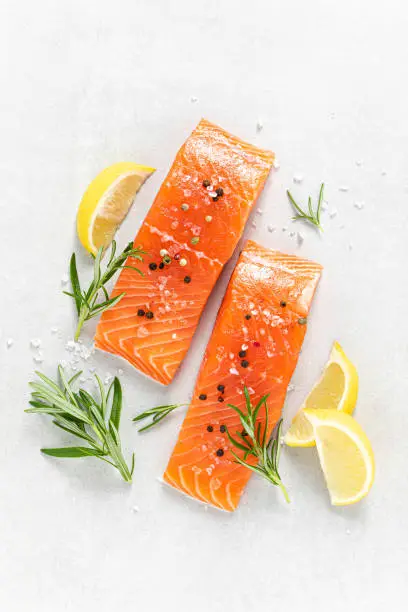
When it comes to preparing a meal that’s both indulgent and wholesome, few dishes can rival the rich, satisfying combination of salmon and creamy orzo infused with spinach and mushrooms. This flavourful nutrient-packed meal is a fantastic option for lunch or dinner and brings together an array of textures and tastes while offering exceptional health benefits. In this blog post, l
will you walk through the detailed steps to prepare this delicious meal and explore how each ingredient contributes to your well-being.
Introduction to Salmon and Creamy Orzo
Salmon and creamy orzo with spinach and mushrooms is a restaurant-quality dish you can easily make at home. Combining the delicate, flaky texture of perfectly cooked salmon with a velvety orzo pasta base loaded with sautéed spinach and mushrooms, this meal is a celebration of comfort food with a healthy twist. The recipe pairs hearty flavours with a creamy texture that doesn’t rely heavily on butter or heavy cream, making it a lighter option compared to traditional pasta dishes.
Cook time: 30 minutes
Total time: 45 minutes
Serves: 4
Ingredients: For the Salmon: 4 salmon fillets (about 6 oz each)
2 tablespoons olive oil
1 teaspoon garlic powder
1 teaspoon onion powder
½ teaspoon paprika
Salt and black pepper to taste
Juice of ½ lemon
For the Creamy Orzo: 1 tablespoon olive oil or butter
1 small onion, finely chopped
2 cloves garlic, minced
1½ cups orzo pasta
1 cup sliced mushrooms (cremini or white button)
3 cups low-sodium chicken or vegetable broth
4 cups fresh baby spinach
½ cup grated Parmesan cheese
½ cup milk (or a dairy-free substitute like almond or oat milk)
Salt and pepper to taste
Fresh parsley for garnish (optional
Step-by-Step Cooking Instructions Step 1: Prepare the Salmon Season the salmon fillets: In a small bowl, combine the garlic powder, onion powder, paprika, salt, and pepper. Rub the mixture evenly over the salmon fillets.
Cook the salmon: Heat 2 tablespoons of olive oil in a non-stick skillet over medium heat. Add the salmon fillets skin-side down and cook for 4-5 minutes, then flip and cook another 3-4 minutes until the internal temperature reaches 145°F (63°C). Drizzle with lemon juice. Remove from heat and set aside.
Step 2: Cook the Creamy Orzo Sauté the aromatics and vegetables: In a large sauté pan or skillet, heat 1 tablespoon of olive oil or butter. Add chopped onion and cook until translucent. Add garlic and mushrooms. Cook for 5–7 minutes until mushrooms are tender and browned.
Toast the orzo: Stir in the orzo and let it toast lightly for 1–2 minutes, which adds a nutty flavor and improves texture.
Add the broth and simmer: Pour in the chicken or vegetable broth and bring to a gentle boil. Lower heat to medium-low and let it simmer uncovered for 8–10 minutes, stirring occasionally, until the orzo absorbs most of the liquid and is tender.
Stir in spinach and finish the sauce: Add the fresh spinach and stir until wilted. Mix in the milk and Parmesan cheese, stirring until creamy. Adjust seasoning with salt and pepper to taste.
Step 3: Assemble the Dish Plate the creamy orzo: Spoon a generous amount of creamy orzo onto each plate.
Top with salmon: Place a salmon fillet over the orzo.
Garnish and serve: Sprinkle with fresh parsley if desired. Serve immediately.
Tips for Perfecting the Dish Don’t overcook the salmon: Salmon becomes dry if overcooked. Use a meat thermometer to check doneness.
Use fresh spinach: Fresh baby spinach wilts beautifully and retains more nutrients than frozen.
Balance the creaminess: If you prefer a richer dish, substitute half-and-half or light cream for the milk.
Add lemon zest: For a citrusy punch, sprinkle lemon zest over the dish before serving.
Nutritional Breakdown of the Key Ingredients Let’s look at the nutritional highlights of the main ingredients used in this dish.
Salmon High in Omega-3 fatty acids (EPA and DHA)
Rich in protein: Approx. 22-25g per 3 oz cooked
Source of B vitamins, particularly B12
Contains selenium, potassium, and astaxanthin (an antioxidant)
Orzo Good source of carbohydrates: Provides sustained energy
Can be enriched with protein if using whole wheat or chickpea-based orzo
Low in fat
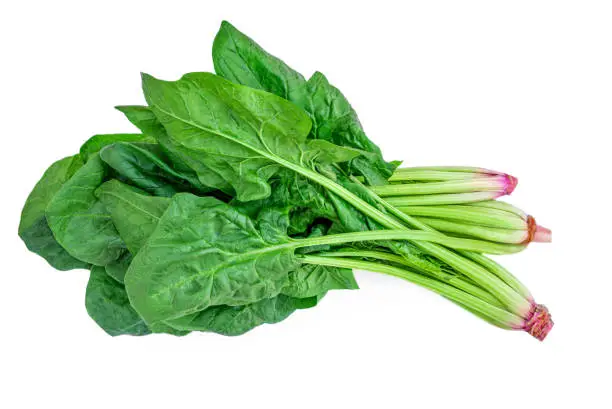
Spinach Loaded with vitamins A, C, and K
High in iron and magnesium
Contains fiber, promoting gut health
Mushrooms Low in calories and fat
Rich in antioxidants, like selenium and ergothioneine
Source of B vitamins, including riboflavin and niacin
Parmesan Cheese Provides calcium and protein
Rich in flavor, allowing you to use less while enhancing taste
Health Benefits of Salmon and Creamy Orzo with Spinach and Mushrooms
1. Heart Health Salmon is one of the best dietary sources of omega-3 fatty acids, which are known to reduce inflammation, lower triglyceride levels, and reduce the risk of arrhythmias and plaque build-up. Spinach and mushrooms also contribute to cardiovascular wellness through their antioxidants and potassium content.
2 .Brain Function and Mental Health Omega-3s from salmon support cognitive health and may reduce the risk of depression and age-related cognitive decline. B vitamins from spinach and mushrooms aid in neurotransmitter function and brain development.
3. Muscle Repair and Growth This dish is protein-rich, providing all the essential amino acids your body needs to build and repair muscle tissue. This makes it a great meal for athletes, fitness enthusiasts, and those recovering from illness.
4. Bone Health The combination of spinach (vitamin K and magnesium), mushrooms (vitamin D), and Parmesan (calcium) supports strong bones and reduces the risk of osteoporosis.
5. Weight Management Despite its creamy taste, this dish is relatively low in unhealthy fats. The protein and fiber content promote satiety, reducing the likelihood of overeating. Orzo provides slow-digesting carbs that help maintain stable blood sugar levels.
Immune System Support Spinach and mushrooms are rich in antioxidants like beta-carotene and selenium that support immune function. Salmon contributes vitamin D, which is vital for immune response modulation.
Eye Health Spinach contains lutein and zeaxanthin, two plant compounds associated with reduced risk of macular degeneration and cataracts. These antioxidants are more easily absorbed with the presence of healthy fats, such as those in salmon.
Digestive Health Orzo, when made from whole grains, offers dietary fiber, which enhances digestion and regulates bowel movements. Spinach also contributes to fiber intake and encourages gut microbiome diversity.
Variations and Customization Ideas Looking to personalize or adapt the dish to your dietary preferences or available ingredients? Here are some suggestions:
Low-Carb/Keto Version Replace orzo with riced cauliflower or spiralized zucchini.
Use heavy cream instead of milk for added fat content.
Dairy-Free Version Use nutritional yeast instead of Parmesan.
Substitute milk with unsweetened almond or coconut milk.
Vegan Version Replace salmon with grilled tofu or tempeh.
Use vegetable broth and plant-based cheese substitutes.
Spicy Twist Add red pepper flakes or a diced chili to the orzo for heat.
Season the salmon with Cajun spice or harissa for bold flavor.
Extra Veggies Include diced bell peppers, zucchini, or peas for added color and nutrients.
Use kale instead of spinach for a sturdier green.
Conclusion Salmon and creamy orzo with spinach and mushrooms is more than just a meal — it’s a balanced blend of nutrition and indulgence. It showcases how whole foods, when prepared thoughtfully, can yield a satisfying dish that’s both elegant and accessible. Whether you’re preparing a weeknight dinner for the family or a special meal to impress guests, this recipe strikes the perfect harmony between flavour and health.
Packed with omega-3 fatty acids, essential vitamins, lean protein, and gut-friendly fiber, this dish nourishes the body from the inside out. Plus, it’s highly customizable, so you can adapt it to your personal dietary needs without compromising on taste or nutrition.
So next time you’re planning your menu, give this dish a try — your taste buds and your body will thank you.
Smoothies have become a staple for those seeking a quick, nutritious, and versatile meal option. High-protein smoothies, in particular, have gained immense popularity due to their ability to support muscle growth, recovery, weight management, and overall well-being. In this
Comprehensive guide, we’ll dive into the essentials of preparing high-protein smoothies, the best ingredients to use, and the wide range of health benefits they offer. Whether you’re an athlete, a busy professional, or simply someone aiming for a healthier lifestyle, this guide will equip you with the knowledge to make the perfect high-protein smoothie every time.
The Basics of High-Protein Smoothies
To create a high-protein smoothie, the key is to balance protein with other essential nutrients like healthy fats, fiber, and carbohydrates. This not only enhances the nutritional profile but also ensures a satisfying and well-rounded meal. Here are the primary components of a high-protein smoothie:
Protein Base: This is the cornerstone of any high-protein smoothie. Popular options include:
Whey Protein Powder
Plant-Based Protein (pea, hemp, or soy)
Greek Yogurt
Cottage Cheese
Silken Tofu
Liquid Base: To achieve the right consistency and enhance flavor, choose from:
Unsweetened Almond Milk
Coconut Water
Oat Milk
Low-Fat Milk
Water (for a lighter option)
Fruits and Vegetables: These add natural sweetness, fiber, and essential vitamins:
Bananas, Berries, Mangoes, Spinach, Kale
Healthy Fats: These improve satiety and nutrient absorption:
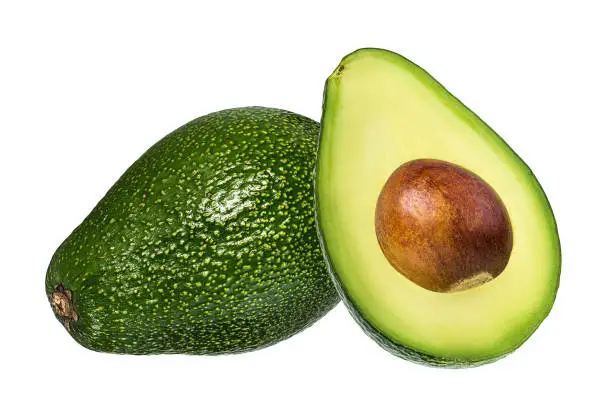
Nut Butters, Chia Seeds, Flaxseeds, Avocado
Flavor Enhancers: Add a burst of flavor and extra nutrition:
Cocoa Powder, Vanilla Extract, Cinnamon, Honey
Optional Super foods: For an added boost of antioxidants, fiber, or omega-3s:
Spirulina, Maca Powder, Moringa, Matcha
High-Protein Smoothie Recipes
To get you started, here are a few delicious and nutrient-packed high-protein smoothie recipes:
Berry Blast Protein Smoothie
1 scoop whey protein powder
1 cup mixed berries
1/2 cup Greek yogurt
1 cup unsweetened almond milk
1 tablespoon chia seeds
Ice cubes (optional)
Blend until smooth and creamy.
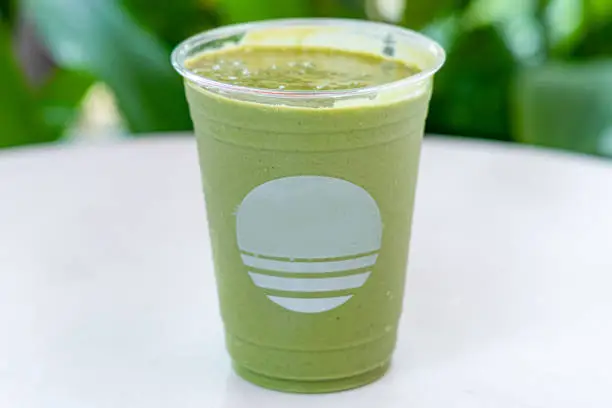
Green Power Protein Smoothie
1 scoop plant-based protein powder1 banana1 cup spinach or kale1/2 avocado1 cup oat milk1 tablespoon flaxseeds
Chocolate Peanut Butter Protein Smoothie
1 scoop chocolate protein powder
2 tablespoons natural peanut butter
1 banana
1 cup low-fat milk
1 tablespoon cocoa powder
Blend to a rich, creamy consistency
Health Benefits of High-Protein Smoothies
1. Muscle Growth and Recovery Protein is essential for muscle repair and growth, making these smoothies ideal for athletes and active individuals. The amino acids in protein powders and yogurt help repair muscle tissue after workouts. How Protein Smoothies Support Muscle Growth
a. Fast and Efficient Nutrient Delivery
After a workout, the body is in a heightened state of nutrient absorption – often referred to as the anabolic window. Consuming a protein smoothie during this period ensures rapid delivery of amino acids and other vital nutrients needed to kick start muscle repair.
Smoothies are blended, meaning they’re easy to digest and absorb more quickly than solid food. This is critical after workouts when the body needs immediate replenishment.
b. High-Quality Protein Source
Most protein smoothies use high-quality protein powders like whey, casein, soy, pea, or hemp protein. Whey protein, in particular, is rich in leucine and has a high biological value, meaning it’s efficiently used by the body. Studies have consistently shown that whey protein boosts muscle protein synthesis more effectively than many other protein types.
c. Customizable with Nutrient-Dense Additions
One major advantage of smoothies is their versatility. Adding fruits like bananas or berries can restore glycogen levels, while incorporating healthy fats from nut butters or seeds can reduce inflammation and support hormone production. Including ingredients like spinach or Greek yogurt can add micronutrients that further support muscle function and repair.
e. Combines Carbs and Protein for Better Recovery
Protein smoothies often include both protein and carbohydrates, a combination shown to be more effective for muscle recovery than protein alone. Carbs help to replenish muscle glycogen – the primary fuel used during workouts – while also triggering a mild insulin response that aids in the delivery of amino acids into muscle cells.
How High Protein Smoothies Speed Up Recovery
a. Reduces Muscle Soreness (DOMS)
Delayed onset muscle soreness (DOMS) can occur 12–72 hours after intense exercise. Protein smoothies help reduce this soreness by providing the raw materials needed for tissue repair. The antioxidants from fruits or added greens also help combat the oxidative stress induced by workouts.
b. Minimizes Muscle Breakdown
Post-workout, the body is in a catabolic (breaking down) state. By consuming a protein smoothie, you help shift the body back to an anabolic (building) state, reducing the risk of muscle degradation and accelerating the recovery timeline.
c. Supports Inflammation Reduction
Protein smoothies often include anti-inflammatory ingredients such as:
Turmeric (curcumin)
Chia or flax seeds (omega-3 fatty acids)
Berries (antioxidants)
These additions help soothe inflamed tissues and joints, allowing you to return to exercise sooner and with less discomfort.
e. Hydration and Electrolyte Replenishment
Protein smoothies made with milk, coconut water, or even electrolyte-enhanced liquids help rehydrate the body and restore minerals lost through sweat. Proper hydration is vital for nutrient transport and muscle elasticity during recovery.
Timing Matters: When to Take Protein Smoothies
The best time to consume a protein smoothie is within 30–60 minutes post-workout. During this anabolic window, the muscles are most receptive to nutrients. Consuming a smoothie during this time ensures that the body has what it needs to:
Repair muscle fibers
Rebuild stronger muscle tissue
Replenish glycogen stores
Reduce inflammation and soreness
That said, protein smoothies can also be consumed:
Pre-workout, if you haven’t eaten a solid meal and need fast-digesting fuel.
Before bed, using a slow-digesting protein like casein to support overnight muscle recovery.
Between meals, especially if you struggle to meet your daily protein requirements from whole foods alone.
2. Weight Management High-protein diets are known to increase satiety, reduce appetite, and support fat loss. Smoothies with protein can keep you fuller for longer, reducing overall calorie intake.
Looking to manage your weight more effectively? Adding protein smoothies to your diet could be a game-changer. These easy-to-make drinks are packed with nutrients that support weight loss, satiety, and muscle maintenance.
Here I will explore how protein smoothies for weight management work, their benefits, and how to make them a part of your daily routine.
a. Protein Smoothies Increase Fullness and Curb Hunger
Managing hunger is crucial in any weight management plan. One of the best benefits of high-protein smoothies is their ability to keep you feeling full longer than carbohydrate-heavy meals.
How Protein Affects Appetite:
Reduces hunger hormones like ghrelin
Boosts satiety hormones such as peptide YY
Slows down digestion, helping you feel full for hours
Tip: Use ingredients like whey protein, Greek yogurt, or collagen peptides for a more satisfying drink.
b. Maintain Muscle Mass While Losing Weight
One of the key reasons people hit a weight loss plateau is muscle loss. Muscle burns more calories than fat, even at rest. Consuming protein smoothies can help preserve or build lean muscle while shedding fat.
Why Muscle Preservation Matters:
Increases resting metabolic rate (RMR)
Prevents weight regain
Keeps your body strong and toned
Pair your smoothie with strength training for best results.
c. Stabilize Blood Sugar and Reduce Cravings
Unstable blood sugar leads to cravings and energy crashes, often resulting in poor food choices. The protein in smoothies helps regulate glucose levels, keeping your appetite in check.
Smart Smoothie Ingredients for Blood Sugar Control:
Low-glycemic fruits (e.g., berries)
Leafy greens (e.g., spinach)
Unsweetened almond milk or oat milk
Fiber sources like flaxseeds or chia seeds
These components help avoid insulin spikes and reduce fat storage.
d. Convenient and Healthy Meal Replacement Option
Protein smoothies are perfect for busy mornings or post-workout recovery. When balanced correctly, they serve as a low-calorie, nutrient-dense meal replacement.
e. Boosts Metabolism through the Thermic Effect of Food
Did you know your body burns more calories digesting protein than it does carbs or fat? This is known as the thermic effect of food (TEF), and it’s another reason high-protein smoothies help with weight management.
TEF Benefits:
Enhances calorie burning after meals
Supports metabolic efficiency
Aids long-term fat loss when combined with exercise
Consistent protein intake keeps your metabolism active and prevents sluggish weight loss.
f. Easy to Customize for Weight Loss or Maintenance
One of the greatest advantages of smoothies is how easily you can tailor them to your personal goals.
For Weight Loss:
Use water or unsweetened almond milk
Stick with lean proteins and low-carb fruits
Avoid added sugars and high-calorie ingredients
For Weight Maintenance:
Add healthy fats like almond butter or avocado
Include complex carbs like oats or bananas
Slightly increase portion size as needed
Smoothies can evolve with your goals without sacrificing flavor or nutrition.
g. Improves Digestion and Supports Gut Health
Healthy digestion is key to effective weight management. Ingredients in protein smoothies—especially those rich in fiber—can improve gut health and reduce bloating.
Gut-Friendly Additions:
Ground flaxseeds
Chia seeds
Leafy greens
Prebiotic-rich fruits (bananas, apples)
Improved digestion supports better nutrient absorption and appetite regulation.
h. Encourages Healthier Food Choices
When you replace sugary snacks or processed meals with protein smoothies, you naturally improve your overall dietary habits.
Positive Lifestyle Changes Include:
Eating whole, nutrient-rich foods
Developing a regular meal schedule
Becoming more mindful of calories and nutrients
Making smoothies a daily habit can lead to long-term success in your weight management journey.
3. Improved Metabolism Protein has a high thermic effect, meaning your body burns more calories digesting it. This can support a higher metabolic rate and more efficient fat burning.
Why Protein Matters for Metabolism
Protein has a thermogenic effect, helps maintain and build lean muscle mass, and affects hormones that regulate appetite and energy use. Here’s how:
1. Higher Thermic Effect of Food (TEF)
The Thermic Effect of Food (TEF) refers to the amount of energy expended during digestion, absorption, and processing of nutrients. Among the macronutrients:
Protein has a TEF of 20–30%
Carbohydrates have a TEF of 5–10%
Fats have a TEF of 0–3%
This means that when you consume 100 calories of protein, about 20–30 of those calories are used just to digest and metabolize it. Compared to carbs and fats, this significantly increases calorie expenditure.
High-protein smoothies, especially when consumed in the morning or after workouts, can enhance metabolic rate due to their higher TEF, thereby supporting calorie burn even at rest.
2. Muscle Maintenance and Growth
Muscle is metabolically active tissue, meaning it requires more energy to maintain than fat. The more muscle mass you have, the higher your Basal Metabolic Rate (BMR)—the number of calories your body burns at rest.
High-protein smoothies help:
Repair and build muscles post-exercise.
Prevent muscle breakdown during weight loss.
Support muscle synthesis in older adults combating age-related muscle loss (sarcopenia).
Whey, casein, soy, pea, and hemp proteins in smoothies provide the essential amino acids necessary for muscle growth and recovery, particularly leucine, which plays a key role in muscle protein synthesis.
3. Improved Satiety and Appetite Control
High-protein diets promote satiety, or the feeling of fullness after eating, which helps reduce overall calorie intake. Smoothies made with protein, fiber, and healthy fats can reduce cravings and prevent overeating, thereby supporting metabolic health.
Protein influences satiety hormones such as:
Peptide YY (PYY) – reduces appetite.
Glucagon-like peptide-1 (GLP-1) – slows gastric emptying and increases satiety.
Ghrelin – the “hunger hormone,” which protein suppresses.
By regulating these hormones, high-protein smoothies help keep hunger at bay and metabolism balanced.
Metabolism-Boosting Ingredients in Protein Smoothies
The effectiveness of protein smoothies in improving metabolism also depends on the ingredients used. Here are metabolism-friendly additions:
1. Why Protein
Fast-digesting and rich in branched-chain amino acids (BCAAs), especially leucine, whey is excellent for muscle repair and metabolism enhancement.
2. Plant-Based Proteins
Pea, hemp, rice, and soy proteins are ideal for vegans. They support lean muscle and have comparable metabolic benefits when combined to ensure a full amino acid profile.
3. Fiber-Rich Fruits and Vegetables
Berries, spinach, kale, and avocado add fiber, vitamins, and antioxidants that improve digestion and metabolic health by supporting gut micro biota.
4. Healthy Fats
Ingredients like chia seeds, flaxseeds, almond butter, and coconut oil provide omega-3s and MCTs (medium-chain triglycerides), which are directly used for energy and boost fat burning.
5. Metabolism-Boosting Spices
Cinnamon, ginger, cayenne pepper, and turmeric have thermo genic and anti-inflammatory properties that support metabolic efficiency.
Stronger Bones many protein sources like Greek yogurt and milk are rich in calcium and vitamin D, which are crucial for bone health.
Maintaining strong bones throughout life is essential to overall health, especially as we age. Bones are living tissues that undergo continuous remodeling, requiring proper nutrition and hormonal balance to stay strong and resilient. Among the key dietary strategies to support bone health, high-protein intake plays a pivotal role. While protein is often associated with muscle growth, it is equally important for the structure, density, and repair of bones. High-protein smoothies have emerged as a convenient, nutritious, and enjoyable way to meet daily protein needs while providing additional nutrients essential for bone health.
Here, I will explore how high-protein smoothies contribute to stronger bones and the science behind it.
1. Protein and Bone Structure: The Fundamental Connection
Bones are composed of approximately 50% protein by volume, primarily collagen, a structural protein that provides bones with flexibility and tensile strength. Collagen acts as a framework upon which minerals like calcium and phosphorus deposit to harden bones. Without sufficient protein, this framework becomes weak, increasing the risk of fractures and osteoporosis.
High-protein smoothies provide an easy way to deliver quality protein that supports collagen synthesis. Ingredients like whey protein, Greek yogurt, plant-based protein powders (such as pea or soy), and nut butters can contribute significant amounts of dietary protein to enhance collagen production and maintain bone integrity.
2. Calcium Absorption and Protein Synergy
Contrary to outdated beliefs that high protein intake may leach calcium from bones, recent research shows that dietary protein actually promotes calcium absorption in the intestines. When protein intake is adequate, the body increases its production of insulin-like growth factor 1 (IGF-1), a hormone that stimulates bone growth and improves calcium balance.
When combined in a smoothie with calcium-rich ingredients such as fortified plant-based milks (almond, soy, oat), leafy greens (like kale or spinach), or yogurt, protein helps improve the utilization of calcium for bone mineralization. This synergy supports both bone density and strength.
3. Reducing Age-Related Bone Loss
As people age, particularly postmenopausal women and older men, the rate of bone loss accelerates. This is often due to hormonal changes and reduced nutrient absorption. Sarcopenia (age-related muscle loss) and osteoporosis often occur together, increasing the risk of frailty and falls.
Consuming high-protein smoothies can help preserve both muscle mass and bone density. Studies indicate that older adults who consume higher amounts of protein have better bone mineral density and a lower risk of fractures. A smoothie rich in protein combined with bone-protective micronutrients (like magnesium, vitamin D, and potassium) can slow the degenerative bone loss process and improve musculoskeletal health.
4. Protein-Powered Muscle Support for Bone Protection
Muscles and bones work together as part of the musculoskeletal system. Strong muscles exert mechanical forces on bones, stimulating them to grow and maintain strength. Conversely, weak muscles result in less bone stimulation and can lead to bone deterioration.
High-protein smoothies provide the fuel needed for muscle repair and growth. By preserving muscle mass and supporting strength training recovery, these smoothies indirectly support bone health. For example, athletes and active individuals who consume protein smoothies after workouts promote muscle recovery and bone adaptation to mechanical loading.
5. Anti-Inflammatory and Antioxidant Support
Chronic inflammation contributes to the breakdown of bone tissue and increases the risk of conditions like osteoporosis and arthritis. Many high-protein smoothie ingredients—especially fruits, vegetables, seeds, and nuts—contain anti-inflammatory and antioxidant compounds that reduce oxidative stress on bone cells.
For instance, adding berries, turmeric, flaxseeds, or spinach to a high-protein smoothie can help lower inflammatory markers and protect bone-forming cells (osteoblasts) from damage. This combination of protein and phytochemicals creates a supportive environment for maintaining bone health over time.
6. Vitamin D and Magnesium: Essential Partners in Bone Health
Protein is a key piece of the bone-health puzzle, but it needs help from other nutrients to work effectively. Vitamin D aids in calcium absorption, while magnesium activates vitamin D and supports bone matrix formation.
High-protein smoothies can easily incorporate these nutrients. Fatty fish (like salmon), fortified plant milks, bananas, avocado, chia seeds, and dark leafy greens are excellent smoothie additions that provide vitamin D and magnesium. A well-rounded smoothie with protein and bone-supporting co-nutrients delivers a comprehensive bone-health package.
7. Alkaline Foods in Smoothies Balance pH and Bone Health
Diets high in acid-producing foods (such as processed meats and refined grains) may increase calcium loss through the urine, potentially weakening bones over time. Many fruits and vegetables are alkalizing, helping to neutralize dietary acid load and support bone mineral retention.
By blending protein sources with alkalizing ingredients like banana, cucumber, watermelon, kale, and lemon juice, smoothies help balance internal ph. This dietary balance reduces the risk of demineralization and promotes a healthier environment for bone metabolism.
8. Bone Healing and Recovery Post-Injury
For individuals recovering from fractures, surgeries, or injuries, protein requirements increase to support tissue repair. The body uses protein to rebuild damaged bone, skin, and connective tissue. High-protein smoothies provide a digestible and efficient way to meet these increased needs.
Including bone-healing nutrients such as zinc (found in pumpkin seeds and oats), vitamin C (in citrus fruits and strawberries), and vitamin K (from leafy greens) can further enhance the body’s healing capacity. A smoothie rich in protein and these nutrients accelerates recovery and promotes stronger regenerated bone tissue.
9. Preventing Osteoporosis with Lifestyle Integration
Osteoporosis is a silent condition that often goes undetected until a fracture occurs. Prevention strategies must start early and be maintained throughout life. Regular consumption of high-protein smoothies fits seamlessly into a preventive lifestyle.
These smoothies are portable, easy to prepare, and customizable based on dietary preferences (vegan, lactose-free, gluten-free, etc.). By incorporating them into breakfast or as a post-exercise snack, individuals can consistently meet their protein and micronutrient needs for optimal bone maintenance.
Final Tips for the Perfect High-Protein Smoothie
Watch the Sugar: Use low-sugar fruits and unsweetened bases to avoid excess sugar.
Blend for Texture: Use a high-speed blender for a creamy, lump-free texture.
Experiment with Flavors: Don’t be afraid to try new ingredients like spices, herbs, and super foods.
Conclusion
High-protein smoothies are a convenient and delicious way to fuel your body, whether you’re looking to build muscle, lose weight, or simply enjoy a nutritious meal. With the right ingredients and a bit of creativity, you can craft the perfect smoothie to meet your health goals. Embrace the power of protein and blend your way to better health today!
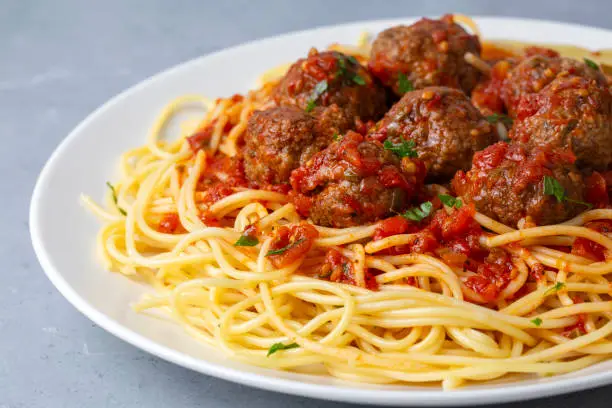
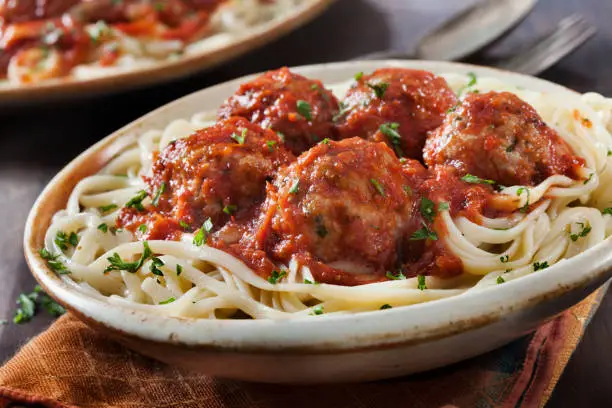
Spaghetti with Türkiye meatballs and marinara sauce is a delicious, hearty meal that offers a balanced combination of lean protein, fiber-rich carbohydrates, and nutrient-dense vegetables. This dish is not only comforting and satisfying but also packed with nutrients that specifically benefit women’s health, supporting everything from bone strength to hormone balance. This dish is a clean eating dish.
Why Choose Turkey for Your Meatballs?
Türkiye, often referred to as Türkiye in many regions, is a lean source of high-quality protein, making it an excellent choice for health-conscious women. Compared to traditional beef or pork meatballs, Türkiye is lower in saturated fat and calories, while providing essential nutrients like iron, zinc, and B vitamins. These nutrients are crucial for energy production, immune function, and maintaining healthy skin and hair – all vital aspects of women’s health.
Ingredients for Turkey Meatballs
1 pound ground Turkey
1/2 cup breadcrumbs (whole wheat or gluten-free if preferred)
1/4 cup grated Parmesan cheese (or nutritional yeast for a dairy-free option)
1/4 cup chopped fresh parsley
2 cloves garlic, minced
1 large egg
1 teaspoon Italian seasoning
1/2 teaspoon crushed red pepper flakes (optional, for a bit of heat)
1/2 teaspoon salt
1/4 teaspoon black pepper
2 tablespoons olive oil (for cooking)
Ingredients for Marinara Sauce
2 tablespoons extra virgin olive oil
1 onion, finely chopped
3-4 cloves garlic, minced
2 (28-ounce) cans crushed tomatoes
1/4 cup tomato paste
1/4 cup fresh basil, chopped (or 1 tablespoon dried basil)
1 teaspoon dried oregano
1/2 teaspoon crushed red pepper flakes (optional)
Salt and freshly ground black pepper, to taste
1/2 teaspoon sugar (balances acidity, optional)
Ingredients for Spaghetti
12-16 ounces whole wheat spaghetti (or gluten-free if preferred)
Salt, for pasta water
Fresh parsley or basil, for garnish
Grated Parmesan cheese (optional)
Step-by-Step Preparation
1. Preparing the Turkey Meatballs
Mix the Ingredients: In a large bowl, combine the ground Turkey, breadcrumbs, Parmesan cheese, chopped parsley, minced garlic, egg, Italian seasoning, crushed red pepper flakes, salt, and black pepper. Mix gently until all the ingredients are well combined. Be careful not to over-mix, as this can make the meatballs tough.
Shape the Meatballs: Using your hands, form the mixture into 1 to 1.5-inch meatballs. You should get about 20-25 meatballs, depending on the size.
Cook the Meatballs: Heat 2 tablespoons of olive oil in a large skillet over medium heat. Once the oil is hot, add the meatballs in a single layer, being careful not to overcrowd the pan. Cook for about 5-7 minutes, turning occasionally, until the meatballs are browned on all sides. They do not need to be fully cooked through at this stage, as they will finish cooking in the marinara sauce.
Set Aside: Transfer the browned meatballs to a plate and set them aside while you prepare the marinara sauce.
2. Making the Marinara Sauce
Sauté the Aromatics: In the same skillet (or a separate pot if preferred), heat 2 tablespoons of extra virgin olive oil over medium heat. Add the chopped onion and cook for about 5-6 minutes, or until it turns translucent and starts to caramelize. Add the minced garlic and cook for another 1-2 minutes, until fragrant.
Add the Tomatoes: Stir in the crushed tomatoes, tomato paste, chopped basil, dried oregano, crushed red pepper flakes (if using), salt, black pepper, and sugar. Reduce the heat to low and let the sauce simmer for 15-20 minutes, stirring occasionally. This allows the flavors to meld and deepen.
Add the Meatballs: Once the sauce has thickened slightly, add the browned meatballs to the sauce. Cover the pan partially and let them simmer in the sauce for another 15-20 minutes, or until the meatballs are cooked through (internal temperature should reach 165°F or 74°C).
3. Cooking the Spaghetti
Boil the Pasta: While the meatballs are simmering, bring a large pot of salted water to a boil. Add the spaghetti and cook according to the package instructions (usually 8-12 minutes) until al dente. Reserve 1/2 cup of the pasta cooking water before draining.
Combine the Pasta and Sauce: Add the drained spaghetti to the skillet with the meatballs and marinara sauce. Toss gently to combine, adding a bit of the reserved pasta water if the sauce seems too thick.
4. Serving the Dish
Plate the Pasta: Serve the spaghetti and meatballs in bowls or on plates. Garnish with freshly chopped parsley or basil and a sprinkle of grated Parmesan cheese if desired.
Pair with a Side Salad: For a balanced meal, consider serving this dish with a simple side salad of mixed greens, cucumbers, and a light vinaigrette.
Nutritional Benefits for Women
This dish is more than just a comfort food classic – it’s a nutritional powerhouse that offers numerous benefits for women’s health. Here’s why:
1. Lean Protein for Muscle and Bone Health: Turkey provides high-quality protein, which is crucial for muscle repair and maintaining bone density as women age.
As women age, maintaining muscle mass and bone density becomes increasingly important for overall health and vitality. While a balanced diet, regular exercise, and a healthy lifestyle are essential, certain nutrient-rich meals can play a critical role in supporting these goals. One such powerhouse dish is spaghetti with Turkey
Meatballs and marinara sauce. This classic, flavorful combination offers a remarkable blend of protein, vitamins, and minerals that promote muscle repair and maintains bone density, especially as women navigate different life stages. And these things takes place as follows:
. High-Quality Protein for Muscle Repair and Growth
Protein is the cornerstone of muscle health. It provides the essential amino acids needed for muscle repair, growth, and maintenance, particularly crucial for women aiming to maintain lean muscle mass as they age. Turkey, a lean and nutritious protein source, is the star ingredient in this dish. It delivers high-quality protein without the excess saturated fats often found in red meats.
Lean Protein Powerhouse: Turkey Meatballs
.Complete Amino Acid Profile: Turkey is a complete protein, meaning it contains all nine essential amino acids the body cannot produce on its own. These amino acids are critical for muscle repair and recovery after physical activity or daily wear and tear.
.Low in Fat, High in Nutrients: Unlike beef or pork, Turkey meat is lower in fat and calories, making it a heart-friendly option for women aiming to build or maintain muscle without unnecessary weight gain.
2. Rich in B Vitamins: Turkey is also packed with B vitamins like B6 and niacin, which aid in protein metabolism and energy production, essential for maintaining an active lifestyle.
3. Bone-Building Nutrients for Lasting Strength
Maintaining bone density is a significant concern for women, particularly as they approach menopause, when bone loss can accelerate due to hormonal changes. This dish supports bone health through several key nutrients.
Calcium, Phosphorus, and Magnesium: The Bone Trio
Calcium and Phosphorus: While Turkey meat is not as rich in calcium as dairy, it still provides phosphorus, a critical mineral that works alongside calcium to strengthen bones. Spaghetti, often enriched with calcium, complements this, providing an additional boost.
Magnesium: Essential for bone mineralization, magnesium helps activate vitamin D, which in turn supports calcium absorption. Including ingredients like herbs and whole grain spaghetti can further enhance magnesium intake.
Collagen Support: The protein in Turkey also supports collagen formation, a crucial component of bone structure and joint health.
. Marinara Sauce – A Secret Weapon for Bone and Muscle Health
Marinara sauce, often overlooked as merely a flavor enhancer, offers its own set of health benefits that align perfectly with muscle and bone maintenance.
. Rich in Antioxidants: Made from tomatoes, marinara sauce is a potent source of antioxidants like lycopene, which can reduce oxidative stress and inflammation, both of whichs can harm muscle tissues and bone health over time.
. Vitamin K and Bone Strength: Tomatoes contain vitamin K, a crucial nutrient for bone mineralization and density. It helps regulate calcium in bones and reduces the risk of fractures.
. Iron Absorption: The vitamin C in tomatoes enhances iron absorption from the meatballs, further supporting muscle function and oxygen transport in the blood.
. Carbohydrates for Energy and Endurance
While protein and vitamins often take center stage, carbohydrates should not be overlooked, especially when it comes to muscle performance and recovery. The spaghetti provides the necessary carbohydrates to replenish glycogen stores, offering sustained energy for workouts and daily activities.
Fuel for Muscles: Complex carbs in pasta provide a steady release of energy, preventing muscle fatigue and supporting endurance.
Improved Recovery: Carbohydrates also play a role in reducing muscle protein breakdown post-exercise, aiding overall recovery.
Iron for Energy Levels: Turkey is a good source of iron, which helps prevent iron-deficiency anemia, a common issue for women.
4. Calcium and Vitamin K from Parmesan: These nutrients are essential for bone strength, reducing the risk of osteoporosis.
5. Healthy Fats for Hormonal Balance: Olive oil contains healthy monounsaturated fats that support hormone production and reduce inflammation.
6. Fiber and Complex Carbohydrates: Whole wheat spaghetti adds fiber, promoting healthy digestion and maintaining steady blood sugar levels.
7. Antioxidants for Skin Health: The tomatoes in marinara sauce are rich in lycopene and vitamin C, which support skin health and may reduce signs of aging.
Enhancing the Dish for Optimal Nutrient Intake
For those looking to boost the nutritional profile even further, consider these additions:
Healthy Fats: Add a drizzle of extra virgin olive oil for its omega-3 fatty acids, which reduce inflammation and support bone and joint health.
Fresh Herbs and Garlic: Basil, oregano, and garlic not only enhance flavor but also provide anti-inflammatory and antioxidant benefits, supporting muscle recovery and bone strength.
Cheese in Moderation: A sprinkle of Parmesan adds calcium and protein but should be used sparingly to avoid excess saturated fats.
Conclusion
Spaghetti with Turkey meatballs and marinara sauce is more than just a comforting, delicious meal – it is a nutritional powerhouse that supports muscle repair, maintains bone density, and promotes overall well-being, particularly for women. With its perfect blend of lean protein, bone-strengthening minerals, and antioxidant-rich ingredients, this dish is an excellent choice for those looking to stay strong, active, and healthy throughout life. very thing from bone strength to hormone balance.
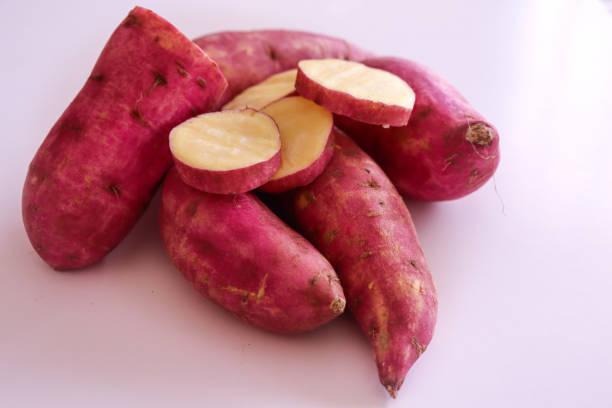
Stuffed sweet potatoes are more than just a comfort food—they’re a nutrient-packed, versatile meal that caters to the unique dietary needs of women. Whether you’re looking to support hormonal balance, enhance bone health, boost energy, or maintain a healthy weight, stuffed sweet potatoes offer a wholesome, satisfying solution.
In this post, you’ll learn how to prepare several varieties of stuffed sweet potatoes, along with a deep dive into their nutritional benefits tailored specifically for women.
Part I: How to Prepare Stuffed Sweet Potatoes
Stuffed sweet potatoes are easy to make and can be customized to suit any dietary preference—vegetarian, vegan, high-protein, or even dessert-style. Let’s walk through a few popular recipes:
1. Basic Baked Stuffed Sweet Potato
Ingredients:
4 medium sweet potatoes
1 tablespoon olive oil
Salt and pepper to taste
Instructions:
Preheat oven to 400°F (200°C).
Scrub sweet potatoes clean and pierce each one with a fork a few times.
Rub with olive oil and place on a baking sheet.
Bake for 45–60 minutes until fork-tender.
Remove from oven, let cool slightly, and slice open down the center.
Gently fluff the insides with a fork and add your desired fillings.
This basic recipe is the foundation. Now let’s look at different stuffing options.
Part II: Delicious Stuffed Sweet Potato Recipes for Women
1. Mediterranean Chickpea-Stuffed Sweet Potato
Perfect for: Hormonal balance, fiber intake, and gut health.
Ingredients:
4 baked sweet potatoes
1 can chickpeas, drained and rinsed
1 tablespoon olive oil
1 clove garlic, minced
½ teaspoon cumin
½ teaspoon paprika
1 cup cherry tomatoes, halved
¼ cup chopped parsley
¼ cup crumbled feta cheese
Lemon juice to taste
Instructions:
In a skillet, heat olive oil over medium heat.
Add garlic, chickpeas, cumin, and paprika. Sauté for 5–7 minutes.
Stir in cherry tomatoes and cook for 2 minutes.
Remove from heat and mix in parsley and feta.
Spoon the chickpea mixture into each sweet potato.
Drizzle with lemon juice before serving. 2.Protein-Packed Black Bean and Quinoa Stuffed Sweet Potato
Perfect for: Muscle repair, satiety, and plant-based protein.
Ingredients:
4 baked sweet potatoes
1 cup cooked quinoa
1 cup canned black beans, rinsed and drained
½ cup corn kernels (fresh or frozen)
½ cup diced red bell pepper
1 teaspoon chili powder
¼ cup chopped cilantro
2 tablespoons lime juice
Instructions:
Mix quinoa, black beans, corn, bell pepper, chili powder, and lime juice in a bowl.
Warm the mixture if desired.
Spoon into sweet potatoes and top with chopped cilantro.
3. Creamy Spinach and Mushroom-Stuffed Sweet Potato
Perfect for: Iron, magnesium, and calcium support.
Ingredients:
4 baked sweet potatoes
2 cups spinach
1 cup sliced mushrooms
1 clove garlic, minced
¼ cup Greek yogurt or vegan alternative
Salt and pepper to taste
1 tablespoon olive oil
Instructions:
In a skillet, heat olive oil and sauté garlic and mushrooms for 5 minutes.
Add spinach and cook until wilted.
Stir in Greek yogurt until creamy.
Season with salt and pepper.
Fill each sweet potato with the creamy mushroom-spinach mix.
4. Breakfast-Style Stuffed Sweet Potato
Perfect for: Morning energy, metabolism, and hormone regulation.
Ingredients:
4 baked sweet potatoes
4 eggs (or plant-based alternative)
½ avocado, sliced
Salt and pepper
Optional: sautéed kale or spinach
Instructions:
Slice the sweet potatoes and scoop out a little to make space.
In a pan, cook eggs to your preference.
Stuff each sweet potato with the egg, sliced avocado, and greens.
Season to taste and serve warm.
Part III: Nutritional Benefits of Stuffed Sweet Potatoes for Women
Sweet potatoes themselves are an exceptional super food, especially for women. Here’s how this root vegetable, combined with various fillings, supports women’s health:
1. Hormonal Balance
Hormones are the body’s chemical messengers, playing critical roles in regulating mood, metabolism, reproductive health, and overall well-being. When hormones are out of balance, it can lead to a variety of health issues, including mood swings, fatigue, weight gain, and fertility problems. Fortunately, diet plays a significant role in maintaining hormonal balance, and one delicious way to support this is by incorporating stuffed sweet potatoes into your meals. These nutrient-packed root vegetables, when paired with hormone-friendly fillings, can have a profound impact on your endocrine system.
Sweet potatoes are rich in complex carbohydrates and fiber, which help stabilize blood sugar—a critical factor in maintaining hormonal equilibrium. They also contain vitamin B6, which supports progesterone production and reduces symptoms of PMS.
Key nutrients:
Vitamin B6
Manganese
Complex carbohydrates
Bonus: Adding chickpeas or quinoa boosts plant estrogens (phytoestrogens), which can support estrogen balance during menopause.
2. Bone Health
Women, particularly post-menopausal, are at higher risk for osteoporosis. Stuffed sweet potatoes with calcium-rich fillings (e.g., spinach, Greek yogurt, and feta cheese) can be beneficial.
Bone-building nutrients:
Calcium
Magnesium
Vitamin D (add eggs or mushrooms)
Vitamin K (from greens like spinach)
Incorporating stuffed sweet potatoes into your diet is a delicious and effective way to support bone health. Their combination of vitamins, minerals, and antioxidant properties provides a holistic approach to maintaining a robust skeletal system. Whether you are young and looking to build strong bones or older and focused on preserving bone density, stuffed sweet potatoes can be a valuable part of your bone health strategy.
3. Digestive Health and Weight Management
The high fiber content in sweet potatoes promotes digestion and regularity, preventing bloating and constipation. Fiber also helps women feel fuller longer, aiding in weight management and appetite control.
Digestion-friendly ingredients:
Sweet potatoes (soluble and insoluble fiber)
Beans and legumes (fiber + prebiotics)
Yogurt (probiotics)
Incorporating stuffed sweet potatoes into your diet can significantly benefit your digestive health and support weight management. Their high fiber content, rich nutrient profile, and natural anti-inflammatory properties make them an excellent choice for those looking to improve their overall health. Whether you’re seeking better digestion, effective weight control, or simply a delicious, satisfying meal, stuffed sweet potatoes are a smart, flavorful option that supports your wellness journey.
4. Skin and Hair Health
Sweet potatoes are a rich source of beta-carotene, a precursor to vitamin A, which supports skin regeneration, collagen production, and hair strength. Avocado and olive oil in the recipes provide vitamin E and healthy fats for moisture retention.
Beauty-boosting nutrients:
Vitamin A (beta-carotene)
Vitamin C
Vitamin E
Biotin (from eggs)
When it comes to nourishing your body for radiant skin and lustrous hair, stuffed sweet potatoes are a hidden gem that deserves more attention. This vibrant root vegetable, when stuffed with nutrient-rich fillings, creates a delicious and wholesome
Meal that supports both internal health and outward beauty.
5. Immune Support
A strong immune system is vital, especially for women juggling multiple roles. Sweet potatoes are immune boosters thanks to their vitamin C and antioxidant content. Adding garlic, mushrooms, and greens enhances immune function.
Sweet potatoes are a nutritional powerhouse, providing essential vitamins and minerals that are critical for a well-functioning immune system. They are particularly high in vitamin A, vitamin C, and manganese, all of which play significant roles in immune defense. The following are the functions of these nutrients:
Vitamin A (Beta-Carotene): Sweet potatoes are one of the richest natural sources of beta-carotene, a precursor to vitamin A. This nutrient is vital for maintaining the integrity of the skin and mucous membranes, which are the body’s first line of defense against pathogens. It also supports the function of T-cells, a type of white blood cell that plays a key role in immune response.
Vitamin C: Known for its immune-boosting properties, vitamin C helps stimulate the production of white blood cells, enhances the function of phagocytes (cells that engulf and destroy pathogens), and promotes the production of antibodies. Just one medium sweet potato contains a significant portion of the daily recommended intake of this vital vitamin.
Manganese: Although often overlooked, manganese is a powerful antioxidant that aids in the formation of superoxide dismutase (SOD), an enzyme that helps protect cells from oxidative damage and supports overall immune resilience.
High Antioxidant Content
Beyond vitamins A and C, sweet potatoes contain a wide range of antioxidants that help the body combat free radicals and reduce oxidative stress, which can otherwise weaken the immune system. These antioxidants include:
Anthocyanins: Found in purple sweet potatoes, these potent antioxidants have been shown to reduce inflammation and improve immune cell function.
Chlorogenic Acid: This polyphenol, present in regular sweet potatoes, helps modulate the immune response and may even have anti-viral properties.
Fiber and Gut Health
A healthy gut is closely linked to a robust immune system, and sweet potatoes provide ample dietary fiber to support this connection. Their fiber content helps feed beneficial gut bacteria, promoting a diverse and balanced micro biome. This, in turn, strengthens the gut barrier and supports the production of short-chain fatty acids (SCFAs), which play a crucial role in regulating immune responses.
Immune-Boosting Stuffing Options
Stuffed sweet potatoes are an excellent vehicle for even more immune-supportive ingredients. Here are some popular fillings that can amplify their benefits:
Garlic and Onions: Both are rich in sulfur-containing compounds that enhance white blood cell function and improve the body’s ability to fight infections.
Kale or Spinach: Packed with vitamin C, vitamin K, and iron, these leafy greens support immune cell production and overall immune function.
Beans and Lentils: High in protein,
Fiber, and zinc, these legumes contribute to a well-balanced immune system by supporting cellular repair and immune cell production.
6. Heart Health
Stuffed sweet potatoes are a heart-healthy choice due to their potassium content (which lowers blood pressure) and fiber (which reduces cholesterol). Beans and avocados add heart-healthy fats.
Heart-protective nutrients:
Potassium
Fiber
Monounsaturated fats (avocados, olive oil)
Antioxidants (flavonoids from vegetables)
Heart health is a critical aspect of overall well-being, directly influencing longevity and quality of life. Maintaining a healthy heart reduces the risk of cardiovascular diseases, including heart attacks, strokes, and hypertension. While regular exercise and stress management play essential roles, nutrition remains a cornerstone of heart health. One food that stands out for its cardiovascular benefits is the humble sweet potato, particularly when prepared as a nutrient-rich, fiber-packed stuffed dish. I will explore how eating stuffed sweet potatoes can be a delicious and heart-friendly choice.
· a. High in Heart-Healthy Potassium
Stuffed sweet potatoes are rich in potassium, a mineral known for its blood pressure-lowering effects. Potassium helps balance sodium levels in the body, reducing the strain on the heart and blood vessels. It supports optimal fluid balance and muscle function, ensuring the heart pumps efficiently. The American Heart Association recommends potassium-rich diets as a way to manage blood pressure and lower the risk of heart disease. Adding ingredients like spinach, beans, or lentils to your stuffed sweet potatoes can further boost potassium content, enhancing their heart-protective effects.
· b. Fiber for Cholesterol Management
Dietary fiber is a powerful ally for heart health, and sweet potatoes are an excellent source. Fiber helps reduce LDL (bad) cholesterol levels, which can build up in artery walls, leading to atherosclerosis and heart disease. Soluble fiber, in particular, binds with cholesterol particles and removes them from the bloodstream, reducing overall cholesterol levels. A stuffed sweet potato filled with fiber-rich ingredients like chickpeas, black beans, or quinoa can significantly contribute to your daily fiber intake, supporting healthier cholesterol levels.
· c. Antioxidant Protection with Beta-Carotene
Sweet potatoes are naturally rich in beta-carotene, a potent antioxidant that the body converts to vitamin A. Antioxidants play a vital role in reducing oxidative stress and inflammation, both of which are significant contributors to heart disease. Beta-carotene helps prevent the oxidation of LDL cholesterol, a critical step in the formation of arterial plaque. By incorporating antioxidant-rich toppings like bell peppers, kale, or nuts into your stuffed sweet potato recipes, you can further enhance their heart-protective benefits.
· d. Anti-Inflammatory Effects
Chronic inflammation is a known driver of heart disease, damaging blood vessels and accelerating plaque buildup. Sweet potatoes contain anti-inflammatory compounds like anthocyanins and phenolic acids, which help reduce systemic inflammation. When paired with other anti-inflammatory foods like turmeric-seasoned chickpeas, avocado, or walnuts, a stuffed sweet potato can become a powerful weapon against inflammation and heart disease.
· e. Supports Healthy Blood Sugar Levels
Maintaining stable blood sugar levels is crucial for heart health, as high blood sugar can damage blood vessels and increase heart disease risk. The natural sugars in sweet potatoes are absorbed more slowly due to their fiber content, helping prevent spikes in blood glucose levels. This makes stuffed sweet potatoes an excellent choice for those looking to manage their heart health through better glucose control. Ingredients like cinnamon, nuts, and seeds can further moderate blood sugar responses.
· f. Promotes Healthy Weight Management
Maintaining a healthy weight reduces the strain on the heart and lowers the risk of hypertension and cardiovascular disease. Sweet potatoes are naturally low in calories but high in nutrients and fiber, promoting satiety and reducing overall calorie intake. Choosing nutrient-dense stuffing options like lean proteins, leafy greens, and beans can help you stay full for longer without consuming excess calories, supporting heart health.
· g. Healthy Fat Combinations
The toppings you choose for your stuffed sweet potatoes can also contribute to heart health. Healthy fats, such as those from avocado, nuts, seeds, and olive oil, provide omega-3 fatty acids, which reduce inflammation and improve blood vessel function. These fats also help your body absorb fat-soluble vitamins like vitamin A from sweet potatoes, amplifying their overall nutritional impact.
7. Menstrual Health and Iron Intake
Many women experience iron deficiency due to menstruation. Combining sweet potatoes with iron-rich ingredients like spinach, beans, or quinoa can help. Pairing with vitamin C-rich foods (like bell peppers or citrus) enhances iron absorption.
Menstrual-supportive nutrients:
Iron
Folate
Vitamin C
Magnesium (relieves cramps)
8. Energy and Mood Stability
Complex carbohydrates in sweet potatoes provide sustained energy without spiking blood sugar. Tryptophan from eggs and leafy greens helps in serotonin production, aiding in mood regulation.
Energy-enhancing nutrients:
Complex carbs
Iron (supports oxygen transport)
B-vitamins
Magnesium
Part IV: Tips for Making the Most of Your Stuffed Sweet Potatoes
1. Choose Organic Sweet Potatoes When Possible
To avoid pesticides and increase nutrient density.
2. Balance Macronutrients
Include a mix of healthy fats, protein, and fiber-rich carbs in each stuffed potato.
3. Customize for Your Life Stage
Teenage girls: Focus on iron, calcium, and folate.
Pregnant women: Include protein, folate, and omega-3-rich toppings.
Menopausal women: Emphasize calcium, vitamin D, and phytoestrogens.
4. Batch Cook
Bake a tray of sweet potatoes at the start of the week and store in the fridge for quick, customizable meals.
Part V: Frequently Asked Questions
Q1: Can I eat sweet potatoes every day?
Yes, in moderation. One medium sweet potato per day is generally safe and provides a wide array of nutrients without excess sugar.
Q2: Are sweet potatoes better than white potatoes for women?
Yes, for most women. Sweet potatoes have a lower glycemic index, more fiber, and higher levels of vitamins A and C compared to white potatoes.
Q3: Are stuffed sweet potatoes suitable for weight loss?
Absolutely. They’re filling, nutritious, and low in calories
When topped with healthy ingredients.
Conclusion
Stuffed sweet potatoes are more than just a delicious meal—they’re a nutritional powerhouse, perfectly suited to support women’s health across every stage of life. With endless stuffing combinations and health benefits ranging from hormonal balance and bone health to digestive wellness and immune support, they deserve a regular place on your plate.
Whether you’re a busy professional, a mom on-the-go, or simply someone looking to nourish your body with clean, whole foods, stuffed sweet potatoes are a smart and satisfying choice. Grab your apron, pick your favourite recipe, and start enjoying the vibrant flavours and profound health benefits of this amazing root vegetable.
Stress is an inevitable part of modern life. Whether it’s from a looming deadline, lack of sleep, or environmental stressors, our body reacts by producing cortisol—the “stress hormone.” While cortisol is vital for several physiological functions, chronically elevated levels can be harmful, leading to issues like weight gain, anxiety, sleep disturbances, and even chronic diseases.
What many people don’t realize is that the food we eat can significantly influence our cortisol levels. Some foods spike cortisol production, while others help to regulate or lower it. In this post, l will explore cortisol in-depth, identify the foods that elevate it, and highlight the foods that help reduce it naturally.
Understanding Cortisol
Cortisol is a hormone released by the adrenal glands in response to stress. It plays a key role in several functions:
Regulating metabolism
Reducing inflammation
Controlling blood sugar levels
Assisting with memory formation
Helping the body respond to stress
Normally, cortisol levels follow a natural rhythm—high in the morning and gradually declining throughout the day. However, chronic stress or certain lifestyle habits can disrupt this cycle, leading to consistently high cortisol levels. This can negatively affect nearly every system in the body.
Symptoms of Elevated Cortisol Levels
Before diving into the dietary factors, it’s important to recognize symptoms of high cortisol:
Weight gain, especially around the abdomen and face
High blood pressure
Anxiety or depression
Difficulty sleeping or insomnia
Muscle weakness
Mood swings
Frequent illness due to suppressed immunity
Irregular menstrual cycles or fertility problems
Identifying and managing cortisol-triggering behaviors—including poor dietary choices—is a critical step in supporting overall health.
Foods That Trigger Cortisol Production
Several foods and drinks can cause spikes in cortisol levels. These tend to stress the body either by disrupting blood sugar, increasing inflammation, or stimulating the nervous system.
1 Refined Sugar and Simple Carbohydrates
Frequent consumption of refined sugar and simple carbs leads to repeated insulin spikes. Over time, this can result in insulin resistance, a condition in which cells become less responsive to insulin. As a result, blood sugar levels remain high, and the pancreas pumps out more insulin in a futile effort to maintain balance.
This state of metabolic dysfunction is another trigger for cortisol. The body interprets unstable blood sugar and insulin resistance as a form of physiological stress, prompting the adrenal glands to secrete more cortisol to try and bring things back to balance.
This sets up a vicious cycle:
High sugar intake insulin spikes
Insulin resistance develops
Cortisol increases to manage sugar levels
Cortisol promotes fat storage and further metabolic imbalance
Foods high in refined sugar include:
Sodas and sugary beverages
Candy and baked goods (cookies, cakes, muffins)
Sweetened cereals
White bread and white rice
These foods also contribute to insulin resistance and weight gain—factors that can further elevate cortisol over time
2. Caffeine
When you drink caffeine — especially in the morning or on an empty stomach — cortisol levels spike quickly. This happens because your body reacts to caffeine as it would to a stressor. Its part of the same biological system designed to protect you in emergencies.
Caffeine consumption significantly increased cortisol secretion in both men and women, particularly in the morning when natural cortisol levels are already high.
Your body follows a circadian rhythm, which includes regular fluctuations in cortisol. Cortisol levels are typically highest between 6 a.m. and 10 a.m. and naturally decrease throughout the day.
When you consume caffeine during this peak period, it can cause redundant stimulation of cortisol — making levels even higher than usual. This can lead to:
Restlessness
Anxiety
Elevated blood pressure
Increased heart rate
Over time, this overstimulation may interfere with your body’s ability to maintain a healthy cortisol rhythm.
If you’re a regular caffeine drinker, your body may become less sensitive to caffeine’s cortisol-boosting effects over time. While this sounds like a good thing, it’s actually a sign that your adrenal glands may be under prolonged stress.
This desensitization can lead to adrenal fatigue in extreme cases, a controversial but commonly discussed condition characterized by low energy, mood swings, and hormonal imbalances. Although adrenal fatigue isn’t officially recognized as a medical diagnosis, the concept illustrates the potential long-term effects of frequent caffeine-induced cortisol stimulation.
High-caffeine sources include:
Coffee (especially strong brews)
Energy drinks
Pre-workout supplements
Black and green tea (to a lesser degree)
Soda
It’s best to monitor how your body reacts to caffeine and limit intake to earlier in the day to prevent sleep disruption.
Who Is Most Affected by Caffeine-Induced Cortisol Spikes?
While caffeine affects everyone differently, some groups are more sensitive to its cortisol-boosting effects:
a. Stressed Individuals
People under chronic psychological or physical stress may already have elevated cortisol levels. Adding caffeine into the mix can amplify the stress response.
b. Sleep-Deprived People
Lack of sleep naturally increases cortisol levels. If you’re sleep-deprived and reaching for caffeine to stay awake, you’re further stimulating cortisol — creating a vicious cycle.
c. Women
Some studies suggest that women, particularly those on oral contraceptives, experience higher cortisol spikes in response to caffeine than men. Hormonal fluctuations seem to play a role in this increased sensitivity.
d. People with Anxiety Disorders
Caffeine can heighten symptoms of anxiety by increasing cortisol and adrenaline, leading to nervousness, racing thoughts, and even panic attacks.
How to Minimize Caffeine’s Impact on Cortisol
If you enjoy caffeine but want to prevent it from wreaking havoc on your hormonal balance, here are some helpful strategies:
a. Avoid Caffeine First Thing in the Morning
Wait at least an hour after waking up before consuming caffeine. This allows your natural cortisol levels to begin declining and prevents an unnecessary hormonal spike.
b. Stick to Moderate Doses
The FDA considers up to 400 mg of caffeine per day (about 4–5 cups of coffee) to be safe for most adults. However, sensitivity varies, and you may benefit from even less if you’re prone to stress or anxiety.
c. Don’t Rely on Caffeine for Energy
Try to identify the root cause of your fatigue. Are you not sleeping well? Eating poorly? Under chronic stress? Addressing these issues directly will serve you better in the long run than masking them with caffeine.
d. Limit Late-Day Consumption
Avoid caffeine in the afternoon and evening. Not only can this interfere with your sleep, but it also affects your cortisol rhythm, potentially keeping levels high when they should be tapering off.
e. Try Adaptogens
Adaptogenic herbs like rhodiola, and holy basil can help regulate cortisol levels and balance your body’s response to stress.
3. Alcohol
Alcohol affects liver function and disrupts sleep—both of which can increase cortisol levels. It also interferes with the natural diurnal rhythm of cortisol, often leading to a spike during the night, resulting in poor rest.
The liver plays a crucial role in metabolizing alcohol. When alcohol is broken down, it alters the liver’s ability to regulate hormone levels effectively, including cortisol. Alcohol also affects the liver’s capacity to clear cortisol from the bloodstream, which contributes to elevated circulating levels.
Chronic alcohol use increases inflammation throughout the body. Inflammatory cytokines like interleukin-6 (IL-6) and tumor necrosis factor-alpha (TNF-α) can stimulate the HPA axis. The resulting immune-to-brain signaling exacerbates cortisol release and creates a feedback loop of stress and inflammation.
Regular or excessive alcohol consumption may cause:
Impaired stress response
Blood sugar instability
4. Processed Foods
Highly processed foods often contain unhealthy fats, preservatives, and additives that cause inflammation and oxidative stress.
Below are how processed foods can stimulate cortisol production:
a. Blood Sugar Spikes and Crashes
Processed foods are often loaded with refined sugars and simple carbohydrates, which cause rapid spikes in blood glucose levels. In response, the body releases insulin to lower the sugar in the bloodstream. However, these spikes are often followed by dramatic crashes, leading to symptoms like irritability, fatigue, and cravings for more sugar.
Blood sugar instability is perceived as a stressor by the body. To counteract the low blood sugar (hypoglycemia), the body releases cortisol to help mobilize stored energy. When this cycle repeats multiple times a day — thanks to a steady intake of processed foods — cortisol levels can remain chronically high.
b. Inflammation
Ultra-processed foods are rich in pro-inflammatory ingredients like Trans fats, refined oils (such as soybean or corn oil), and artificial additives. Chronic inflammation stimulates the hypothalamic-pituitary-adrenal (HPA) axis — the system responsible for cortisol production.
The more inflamed the body becomes, the more cortisol is needed to help manage that inflammation. Over time, this can create a vicious cycle where cortisol and inflammation feed off each other, leading to systemic stress and disease.
c. Gut Health Disruption
A healthy gut micro biome plays a crucial role in regulating stress responses. However, processed foods can damage gut health by promoting harmful bacteria, suppressing beneficial bacteria, and increasing intestinal permeability (sometimes called “leaky gut”).
When the gut barrier is compromised, toxins and undigested food particles can enter the bloodstream, triggering an immune response and inflammation. This stress signals the adrenal glands to pump out more cortisol.
Moreover, gut imbalances can directly affect mood and behavior, contributing to feelings of anxiety and depression — which in turn promote higher cortisol levels.
d. Nutrient Deficiencies
Processed foods are notoriously low in essential nutrients like magnesium, B vitamins, vitamin C, and omega-3 fatty acids — all of which are vital for stress regulation and adrenal health.
Magnesium, for instance, helps calm the nervous system and lower cortisol. A deficiency can make the body more reactive to stress. Similarly, B vitamins support energy production and brain health, and low levels can impair the body’s ability to cope with stress.
When diets are rich in processed foods but poor in nutrients, the body struggles to maintain hormonal balance, resulting in prolonged cortisol elevation.
e. Sleep Disturbances
Processed foods — particularly those high in sugar, caffeine, and artificial additives — can interfere with sleep quality. Poor sleep is a major stressor on the body and a potent stimulator of cortisol.
For example, eating sugary foods late at night can cause nighttime awakenings due to blood sugar crashes. Similarly, hidden sources of caffeine in processed foods (like chocolate or certain sodas) can delay sleep onset. Chronic sleep deprivation elevates baseline cortisol levels and disrupts the normal cortisol rhythm, leading to daytime fatigue and nighttime alertness — the exact opposite of the natural pattern.
Common culprits include:
Packaged snacks (chips, crackers)
Instant noodles
Processed meats (hot dogs, sausages)
Fast food
Frozen meals with additives
5. Hydrogenated Oils and Trans Fats
Unhealthy fats such as Trans fats are found in margarine, baked goods, and fried foods. The following ways below are how hydrogenated oils and Trans fats triggers cortisol:
Disruption of Cellular Communication
Healthy fats are crucial for maintaining the integrity of cell membranes, which are largely made up of lipids. When Tran’s fats integrate into cell membranes instead of healthy fats like omega-3s, they disrupt cellular signaling. This poor communication impairs the body’s ability to regulate inflammation and stress responses efficiently.
The adrenal glands, which produce cortisol, are particularly sensitive to disruptions in cellular signaling. When their function is impaired by unhealthy fats, cortisol regulation becomes erratic. This often manifests as spikes in cortisol during times when the body should be calm, contributing to chronic stress and fatigue.
Impact on Insulin Resistance and Blood Sugar
Another indirect but significant way hydrogenated oils and trans fats elevate cortisol is by contributing to insulin resistance. These unhealthy fats interfere with the body’s ability to use insulin effectively, leading to higher blood sugar levels. The body perceives elevated blood sugar as a stressor and, in response, releases more cortisol to help regulate glucose metabolism.
Over time, this results in a harmful cycle: insulin resistance leads to higher cortisol, and elevated cortisol worsens insulin resistance. The end result is a stressed body that is constantly struggling to maintain homeostasis, leading to greater fatigue, mood swings, and metabolic dysfunction.
Gut Health and Cortisol Regulation
Emerging research also points to the critical role of gut health in cortisol regulation. The gut-brain axis — the communication network linking the gastrointestinal tract and the brain — plays a pivotal role in managing stress. Hydrogenated oils and trans fats negatively affect the gut micro biome by promoting the growth of harmful bacteria and reducing beneficial ones.
An imbalanced micro biome increases intestinal permeability, often referred to as “leaky gut.” This condition allows toxins and inflammatory molecules to enter the bloodstream, activating the immune system and, by extension, the stress response. The resulting inflammation once again prompts elevated cortisol levels.
A healthy gut fosters better resilience to stress, but a diet high in trans fats undermines this crucial defense mechanism, leading to deregulated cortisol production.
Psychological Effects: Anxiety and Depression
Cortisol does not just influence physical health; it profoundly affects mental well-being as well. Chronic high cortisol levels are associated with anxiety, depression, and cognitive decline. Since hydrogenated oils and Trans fats perpetuate chronic cortisol elevation, they indirectly worsen mental health conditions.
Furthermore, studies have shown that diets high in Tran fats are associated with increased risk of depression and mood disorders. Part of this link is due to cortisol’s negative impact on neurotransmitter balance — particularly serotonin and dopamine, the “feel-good” chemicals in the brain.
By consuming hydrogenated oils and trans fats, individuals may unwittingly be setting themselves up for heightened emotional stress and reduced capacity to cope with life’s challenges.
Sleep Disruption and Cortisol
Healthy cortisol levels follow a daily rhythm: peaking in the morning to help wake us up, then gradually declining throughout the day to prepare for restful sleep. However, high intake of trans fats disrupts this rhythm.
Research shows that diets rich in unhealthy fats contribute to fragmented, poor-quality sleep. Lack of sleep, in turn, triggers a rise in cortisol levels the next day. Over time, poor sleep and high cortisol become locked in a destructive cycle, amplifying stress and health problems.
This explains why many people who regularly consume fast food, processed snacks, and other sources of hydrogenated oils report feeling “wired but tired” — fatigued yet unable to rest properly.
Long-Term Health Consequences
The long-term health consequences of chronically elevated cortisol due to hydrogenated oils and trans fats are severe. High cortisol over time leads to:
Increased abdominal fat storage
Weakened immune response
Higher blood pressure
Accelerated aging
Bone loss
Increased risk for type 2 diabetes
Greater susceptibility to heart disease
These outcomes are not simply coincidental; they are the predictable result of ongoing stress and hormonal imbalance driven in large part by poor dietary choices.
Reducing Cortisol through Better Fats
The good news is that the body’s stress response is highly responsive to dietary changes. Replacing hydrogenated oils and Tran’s fats with healthy fats such as those found in:
Olive oil
Avocados
Fatty fish (salmon, mackerel, sardines)
Nuts and seeds
Coconut oil (in moderation)
…can help restore hormonal balance and lower cortisol.
6. Low-Protein, High-Carb Meals
Meals lacking in protein but high in carbohydrates can cause blood sugar instability, which is a known trigger for cortisol release. Protein slows digestion and supports balanced glucose levels, so when it’s missing, the body enters a stress response more easily.
7. Artificial Sweeteners
Some studies suggest that artificial sweeteners like aspartame may interfere with the brain’s chemical balance and induce cortisol production. They may also disrupt gut micro biota, which plays a role in stress response.
Foods That Help Lower Cortisol Naturally
Fortunately, just as some foods elevate cortisol, others help bring it down. These foods typically promote stable blood sugar, reduce inflammation, support adrenal health, and calm the nervous system.
1. Leafy Greens
Leafy greens like spinach, kale, swiss chard, and arugula are high in magnesium—a mineral crucial for calming the nervous system and reducing cortisol levels.
Magnesium deficiency is linked to anxiety, poor sleep, and elevated cortisol. Include leafy greens in salads, smoothies, or as a sautéed side.
2. Fruits Rich in Vitamin C
Vitamin C plays a direct role in modulating cortisol levels. It helps the adrenal glands function properly and reduces the stress response.
Best sources include:
Oranges
Kiwis
Strawberries
Pineapples
Papayas
Vitamin C-rich fruits also provide antioxidants that protect against oxidative stress.
3. Fatty Fish
Fatty fish like salmon, sardines, and mackerel are rich in omega-3 fatty acids, which help reduce inflammation and regulate cortisol levels. Omega-3s also support brain health and reduce anxiety.
Aim to include fatty fish in your diet 2–3 times a week or take a high-quality fish oil supplement if needed.
4. Avocados
Avocados contain healthy fats and potassium, which help regulate blood pressure and calm the nervous system. They also support stable blood sugar—another key factor in cortisol control.
Add them to smoothies, toast, or salads for a cortisol-lowering boost.
5. Whole Grains
Unlike refined grains, whole grains are rich in fiber and B vitamins, which support adrenal function and stabilize blood sugar.
Good options include:
Oats
Brown rice
Quinoa
Barley
Whole wheat
Whole grains also promote the release of serotonin, a feel-good neurotransmitter that counters stress.
6. Probiotic-Rich Foods
A healthy gut plays a significant role in regulating the stress response. Probiotics help maintain gut balance and reduce inflammation, indirectly supporting lower cortisol levels.
Top probiotic-rich foods include:
Yogurt with live cultures
Kefir
Kimchi
Sauerkraut
Miso
Tempeh
7. Dark Chocolate (in Moderation)
High-quality dark chocolate (70% cacao or more) contains antioxidants and magnesium that may help lower cortisol. Just be mindful of added sugars.
A small square or two a few times a week can help soothe the stress response.
8. Green Tea
Green tea contains L-theanine, an amino acid known for promoting relaxation and reducing anxiety. It may help blunt cortisol responses without the overstimulation of coffee.
Enjoy a warm cup in the afternoon or evening for a gentle calming effect.
9. Herbal Teas
Certain herbal teas have adaptogenic and calming properties. Examples include:
Chamomile: Promotes relaxation and better sleep
Rhodiola: Boosts energy and balances cortisol
Lemon balm: Calms the nervous system
These herbs can be consumed as teas or supplements to support adrenal health and cortisol balance.
10. Nuts and Seeds
Almonds, walnuts, flaxseeds, chia seeds, and pumpkin seeds provide a mix of healthy fats, magnesium, and B vitamins—nutrients that help manage stress and reduce cortisol.
They also make convenient, healthy snacks that help prevent blood sugar crashes.
Lifestyle Tips to Support a Cortisol-Friendly Diet
In addition to eating the right foods, the following lifestyle practices can amplify your efforts to regulate cortisol naturally:
1. Eat Regularly
Skipping meals or going too long without eating can cause blood sugar to plummet, triggering cortisol production. Aim to eat balanced meals every 4–6 hours and include protein, fiber, and healthy fats.
2. Prioritize Sleep
Poor or insufficient sleep increases cortisol production. Aim for 7–9 hours of quality sleep each night, and maintain a consistent sleep-wake schedule.
3. Stay Hydrated
Dehydration acts as a physical stressor and can elevate cortisol levels. Drink water throughout the day and limit diuretics like coffee and alcohol.
4. Practice Mindful Eating
Eating in a relaxed, present state helps your body digest food properly and reduces stress-induced cortisol spikes. Avoid eating in a rush or while multitasking.
5. Exercise Moderately
While exercise helps reduce cortisol in the long run, overtraining or high-intensity workouts without recovery can increase it. Balance intense workouts with restorative activities like walking, stretching, or yoga.
6. Reduce Exposure to Environmental Toxins
Toxins from pesticides, plastics, and household chemicals may stress the body and elevate cortisol. Opt for organic produce when possible and use natural cleaning products.
Sample Cortisol-Friendly Day of Eating
Here’s an example of a daily meal plan that helps lower cortisol:
Breakfast:
Oatmeal topped with sliced bananas, chia seeds, and almonds
Herbal tea or green tea
Snack:
Greek yogurt with berries and a teaspoon of flaxseeds
Lunch:
Quinoa salad with grilled salmon, avocado, spinach, tomatoes, and olive oil dressing
Snack:
A small square of dark chocolate with herbal tea
Dinner:
Brown rice with stir-fried vegetables and tofu
Side of miso soup
Before bed:
Chamomile tea or warm almond milk
This plan is rich in anti-inflammatory nutrients, magnesium, fiber, and healthy fats—all of which contribute to a more balanced cortisol response.
Conclusion
Your diet plays a powerful role in how your body manages stress. While occasional indulgence in caffeine, sugar, or alcohol is normal, consistent overconsumption of cortisol-triggering foods can take a toll on your mental and physical health.
By prioritizing whole foods rich in nutrients that support adrenal function and reduce inflammation, you can help regulate your cortisol levels, boost your resilience to stress, and improve your overall well-being.
Pickle-flavored burgers are the perfect marriage between the bold, zesty tang of pickles and the hearty satisfaction of a classic burger. Whether you’re a fan of dill, sweet, spicy, or sour pickles, incorporating them into burgers introduces a layer of complexity and a punch of flavour that elevates your burger game. In this blog post, we’ll dive deep into how to prepare pickle-flavored burgers from scratch—including homemade patties, toppings, and a signature pickle sauce. We’ll also explore the numerous health benefits associated with eating pickle-flavored burgers, especially when crafted with quality ingredients.
Section 1: What Makes Pickle-Flavored Burgers So Special?
Pickles are more than just a crunchy topping; their bold briny taste can be infused directly into the patty, sauce, or bun. This results in a burger that’s juicy, tangy, and irresistibly flavourful. The pickle flavour is especially loved for its balance—cutting through the richness of the beef or plant-based patties while enhancing the umami and spice levels.
Many pickle-flavored burgers also include pickled vegetables, pickle juice-marinated patties, and even pickle-infused cheese. The versatility is endless, allowing customization for meat lovers, vegetarians, and even vegans. Pickle flavored burger is a clean eating meal; nourish your body with it. Small consistent healthy choices leads to big results. Invest in your health; eat clean. Make clean eating a habit not a chore. Clean eating is self care. You deserve to feel amazing. Eat clean.
Section 2: Ingredients for Pickle-Flavored Burgers
For the Pickle-Infused Beef Patties:
500g ground beef (80/20 lean-to-fat ratio)
2 tablespoons dill pickle juice
¼ cup finely chopped dill pickles
1 teaspoon garlic powder
1 teaspoon onion powder
Salt and pepper to taste
For the Pickle Sauce:
½ cup mayonnaise or Greek yogurt
2 tablespoons finely chopped pickles
1 tablespoon pickle juice
1 teaspoon Dijon mustard
1 teaspoon honey (optional)
Black pepper to taste
For the Burger Toppings:
Pickle slices (dill or bread & butter style)
Lettuce leaves
Tomato slices
Red onions (pickled or fresh)
Cheese (cheddar, Swiss, or pickle-infused cheese)
Optional: pickled jalapeños for heat
For the Buns:
Brioche or sesame seed buns
Optional: brush with pickle juice and toast for enhanced flavor
Section 3: Step-by-Step Preparation
Step 1: Preparing the Pickle Sauce
In a bowl, combine the mayonnaise, chopped pickles, pickle juice, mustard, and honey.
Mix well until all ingredients are fully blended.
Adjust seasoning with black pepper.
Refrigerate for at least 15 minutes to allow flavors to meld.
Form into equal-sized patties (about 4-6 depending on size).
Chill in the refrigerator for 30 minutes to help patties firm up and absorb the pickle flavour.
Step 3: Cooking the Patties
Heat a skillet or grill over medium-high heat.
Cook patties for 3-4 minutes per side or until desired doneness.
If using cheese, add a slice during the last minute of cooking and cover to melt.
Let patties rest for a couple of minutes after cooking.
Step 4: Assembling the Burgers
Lightly toast buns on the skillet or grill.
Spread pickle sauce generously on
both halves of the bun.
Layer lettuce, tomato, and onions on the bottom half.
Add the cooked patty with melted cheese.
Top with extra pickle slices and optional pickled jalapeños.
Close the burger and serve hot.
Section 4: Variations of Pickle-Flavored Burgers
1. Pickle-Flavored Chicken Burger
Swap beef for grilled or fried chicken breast marinated in pickle juice.
Great with spicy pickles and slaw
Toppings.
2. Pickle Veggie Burger
Use chickpea or black bean patties with
Pickle chunks and a dill-infused aioli.
Add pickled onions and shredded cabbage for crunch.
3. Keto Pickle Burgers (Bun-less)
Serve burgers between two thick pickle slices or lettuce wraps.
Replace sugary sauces with plain mustard and sour pickles.
4. Spicy Pickle Burgers
Incorporate hot pickles or pickle relish with habanero or jalapeños.
Add spicy sriracha mayo to intensify the kick.
Section 5: Health Benefits of Pickle-Flavored Burgers
While burgers aren’t always associated with health, pickle-flavored versions can be nutritious when made with
wholesome ingredients. Let’s break down the health benefits:
1. It helps our digestive system.
Pickles, especially fermented types, are a source of probiotics—healthy bacteria that support gut health. These probiotics improve digestion, boost immunity, and
may reduce inflammation in the body.
In addition to probiotics, pickles often contain vinegar, which is used especially in non-fermented or quick-pickled varieties. While vinegar-based pickles do not contain live probiotics, the acetic acid in vinegar can stimulate digestive enzyme production. Digestive enzymes break down food particles into smaller components that can be easily absorbed by the intestines.
Moreover, vinegar can:
Increase stomach acid production, which helps digest proteins and absorb minerals like calcium, iron, and magnesium.
Support pancreatic function, enhancing the release of enzymes like lipase and amylase, which aid in fat and carbohydrate digestion.
The presence of vinegar in pickle-flavored burgers can therefore encourage smoother digestion and reduce digestive discomfort such as bloating or heaviness after meals.
While not directly linked to the mechanical breakdown of food, appetite regulation plays a significant role in digestive health. Eating in appropriate portions allows the digestive system to function without overload.
Pickles are also low in calories but high in flavor, which makes pickle-flavored burgers satisfying and less likely to trigger overeating. When digestion is not burdened by excessive quantities of food, issues like acid reflux, gas, and bloating are less likely to occur.
2. Rich in Antioxidants
Cucumbers used in pickles are rich in antioxidants like beta-carotene and flavonoids. These compounds help neutralize free radicals, potentially reducing the risk of chronic diseases.
Before diving into the benefits of antioxidants in pickle-flavored
burgers, it’s important to grasp what free radicals are and why they pose a threat to health. Free radicals are unstable molecules produced naturally in the body during metabolic processes such as respiration, digestion, and immune response. They also come from external sources like pollution, UV radiation, cigarette smoke, and unhealthy foods.
These molecules are unstable because they contain an unpaired electron, making them highly reactive. In their quest to stabilize themselves, free radicals can “steal” electrons from nearby cells, causing a domino effect of molecular damage known as oxidative stress. This oxidative stress is linked to aging and a wide variety of chronic diseases, including:
Cancer
Cardiovascular disease
Alzheimer’s disease
Diabetes
Inflammatory conditions like arthritis
The body has natural defense mechanisms to combat oxidative stress, and one of the most critical lines of defense is antioxidants.
Antioxidants are compounds that neutralize free radicals by donating an electron, effectively stabilizing them and halting the chain reaction of cellular damage. These molecules can be produced by the body (endogenous antioxidants) or obtained from food (exogenous antioxidants). The most common dietary antioxidants include:
Vitamin C
Vitamin E
Polyphenols
Flavonoids
Beta-carotene
Selenium
Antioxidants play a central role in preventing oxidative stress and maintaining overall health by supporting immune function, improving skin health, slowing down aging, and reducing the risk of chronic diseases.
3. Source of Essential Minerals
Pickles often contain minerals like potassium, calcium, and magnesium, all essential for muscle function, heart health, and bone density.
Let me break down the typical ingredients in a pickle-flavored burger and examine how each contributes to your mineral intake:
1. Pickles: The Star Ingredient
Pickles are cucumbers fermented or preserved in a solution of vinegar, salt, and spices. They are the main flavor base of a pickle-flavored burger and bring the following mineral benefits:
Sodium: As a preserved food, pickles are rich in sodium, which helps regulate fluid balance and muscle contractions. Though excessive sodium intake can be harmful, moderate consumption is essential for nerve function and blood pressure regulation.
Iron and Calcium (in some pickles): When pickled with mineral-rich spices like mustard seeds or dill, trace amounts of iron and calcium are present.
Magnesium: Fermentation can help preserve small amounts of magnesium, which supports over 300 enzymatic processes in the body, including energy production and muscle relaxation.
Pickled cucumbers are also a source of probiotic bacteria, which help enhance nutrient absorption, including minerals.
2. Meat Patty or Plant-Based Patty
The patty is the protein-rich centerpiece of a burger and also a valuable source of minerals.
Iron: Beef patties are particularly high in heme iron, a form easily absorbed by the body. Iron supports oxygen transport in red blood cells and prevents anemia.
Zinc: Abundant in red meat and poultry, zinc is vital for immune function, wound healing, and DNA synthesis.
Phosphorus: Essential for strong bones and teeth, phosphorus is found in both animal and plant-based patties.
Magnesium and Potassium: Depending on the ingredients (e.g., legumes, grains, vegetables), plant-based patties can offer good amounts of these minerals.
Opting for grass-fed beef or adding mineral-rich legumes like lentils to veggie patties can increase the mineral profile of the burger.
3. Cheese: A Calcium Treasure
Cheese is commonly added to burgers and is a fantastic source of several essential minerals:
Calcium: Known for building and maintaining strong bones and teeth, calcium also supports muscle contraction and nerve transmission.
Phosphorus: Works alongside calcium to form bone structure.
Zinc: Also found in cheese, zinc supports metabolic processes and immune health.
Choosing aged or hard cheeses like cheddar, Swiss, or Gouda can provide higher levels of calcium and phosphorus.
4. Electrolyte Boost
The sodium in pickle juice can help replenish electrolytes, especially useful after exercise. Athletes sometimes drink pickle juice to prevent muscle cramps.
When you enjoy a pickle-flavored burger, you’re not just tasting a delicious combination of tangy and savory — you’re also consuming a blend of ingredients that work together to replenish your body’s electrolyte levels.
Here’s a closer look at how different components of a pickle-flavored burger contribute to an electrolyte boost:
1. Pickle Slices or Pickle Sauce
These are the core of the flavor profile. Whether chopped, sliced, or blended into a tangy spread, the pickles bring the salty, vinegary bite that contains a substantial dose of sodium and chloride. Depending on how much is used, it can help restore electrolyte levels lost through sweat or dehydration.
2. Cheese
Many pickle-flavored burgers include a slice of cheese, which contains calcium — another essential electrolyte. Calcium is necessary for muscle function, blood clotting, and nerve transmission. Additionally, cheese also provides sodium, especially processed varieties.
3. Beef Patty or Plant-Based Alternatives
A high-quality patty — whether made from meat or legumes — can contribute to potassium and phosphorus intake. Phosphorus is another important electrolyte that supports bone health and energy production.
4. Whole Grain or Enriched Burger Buns
Though often overlooked, some buns are enriched with minerals including magnesium and calcium, both of which play vital roles in muscle and nerve function. Magnesium also works with potassium to maintain normal heart rhythm.
5. Lettuce, Tomato, and Onions
These fresh toppings not only enhance flavor but also supply trace amounts of potassium and magnesium. When consumed as part of a balanced meal, their contribution to electrolyte intake becomes more valuable.
5. Appetite Control and Satiety
The acidity and vinegar in pickles can promote feelings of fullness. When combined with protein-rich patties and fiber from veggies, pickle burgers can support satiety and appetite control.
Pickle-flavored burgers are a unique fusion of traditional burger ingredients — beef, chicken, or plant-based patties — enhanced with tangy pickles and pickling spices. This seemingly indulgent food offers more than meets the eye when it comes to promoting appetite control and a feeling of fullness. Let’s break down how each component contributes to this benefit.
1. Protein-Packed Patties for Prolonged Fullness
Whether made from beef, poultry, or plant-based proteins, the patty in a pickle-flavored burger is often rich in protein. Protein is widely known to have the highest satiety index among macronutrients. When consumed, protein reduces levels of the hunger hormone ghrelin and boosts the production of peptide YY, a hormone that makes you feel full.
Research has shown that high-protein meals reduce appetite and increase satiety more effectively than meals high in fat or carbohydrates. This leads to reduced calorie intake later in the day, contributing to better weight management.
2. The Magic of Pickles: Acetic Acid and Gut-Brain Signals
The tangy punch in a pickle-flavored burger primarily comes from pickles — cucumbers fermented or soaked in vinegar and seasoned with various spices. Pickles offer more than just flavor; they contain acetic acid (from vinegar), which may play a role in appetite suppression.
Studies suggest that acetic acid can delay gastric emptying, meaning food stays in your stomach longer, thereby enhancing the feeling of fullness. Moreover, acetic acid has been shown to improve insulin sensitivity and support blood sugar regulation, both of which play roles in hunger control.
Additionally, pickled foods can support the gut microbiome — the trillions of bacteria in your digestive tract that influence everything from metabolism to appetite. A healthy microbiome has been linked to improved satiety and better hormone regulation related to hunger.
3. Fiber from Vegetables and Whole-Grain Buns
While the star of the pickle-flavored burger may be the patty and pickles, let’s not forget the supporting cast — the bun and vegetables. Many modern takes on the burger include whole grain buns, which are higher in dietary fiber compared to white bread. Dietary fiber slows digestion, stabilizes blood sugar levels, and promotes a lasting feeling of fullness.
In addition, toppings such as lettuce, tomatoes, and onions contribute fiber and water content, further aiding in satiety. High-fiber meals stretch the stomach physically and trigger signals to the brain that you’re full, reducing the likelihood of overeating.
6. Improved Blood Sugar Control
Vinegar in pickles can help reduce blood sugar spikes after meals by improving insulin sensitivity. This is especially beneficial when the meal includes carbohydrates like buns or fries.
While the idea of a pickle-flavored burger may sound like a quirky culinary trend, it can actually serve as a smart, balanced meal option that supports blood sugar health. With ingredients that promote slower digestion, reduce the glycemic impact, and encourage satiety, this burger variation aligns surprisingly well with blood sugar-friendly eating strategies.
Of course, the key lies in preparation. A pickle-flavored burger with grilled lean protein, a whole grain or low-carb bun, plenty of veggies, and naturally fermented pickles can offer a satisfying and health-conscious option for individuals aiming to maintain or improve their glycemic control. Add to that the metabolic benefits of vinegar and probiotics from the pickles, and you have a burger that’s both flavorful and functional.
So next time you crave a burger, consider going for the pickle-flavored variety—not just for its zesty taste, but also for its potential to keep your blood sugar steady and your health on track.
7. Healthy Fats and Lean Proteins
By choosing lean beef or plant-based patties and using healthy sauces like Greek yogurt-based pickle dressing, you reduce saturated fats and promote heart-healthy fats.
If your pickle-flavored burger includes ingredients like avocado, olive oil-based sauces, or fatty fish (like a salmon patty), you’re taking in healthy fats that support heart health. These fats help reduce bad cholesterol (LDL) while boosting the good kind (HDL), lowering your risk of heart disease.
Secondly, your brain is made up of about 60% fat, and it thrives on healthy fats, especially omega-3 fatty acids. Burgers made with fish like salmon or toppings that contain flaxseeds or chia seeds can supply your brain with the fuel it needs to stay sharp.
Thirdly, fats are crucial for the production of hormones, including those that regulate metabolism, mood, and reproduction. They also maintain the structural integrity of your cells, aiding in repair and resilience. A pickle-flavored burger with a touch of olive oil-based mayo or tahini sauce can offer just the right amount of these beneficial fats.
Section 6: Tips for a Healthier Pickle Burger
Use whole grain or low-carb buns for added fiber and fewer refined carbs.
Swap mayo for Greek yogurt in your pickle sauce for added protein and probiotics.
Load up on fresh veggies like spinach, cabbage, and tomatoes for vitamins and minerals.
Grill instead of fry patties to reduce added fats.
Choose low-sodium pickles to manage sodium intake without sacrificing flavor.
Section 7: Pairing Pickle-Flavored Burgers with Sides
Pair your burger with equally nutritious sides:
Baked sweet potato fries: A fiber-rich alternative to regular fries.
Pickle slaw: Coleslaw with a dill pickle twist.
Cucumber salad: Fresh cucumber tossed in vinegar and herbs.
Fermented vegetables: Like kimchi or sauerkraut for added probiotics.
Iced green tea or kombucha: Refreshing beverages that
complement the zesty burger flavour.
Section 8: Frequently Asked Questions
(FAQs)
Q1: Can I use sweet pickles instead of dill?
Yes! Sweet pickles give the burger a sweet-tangy flavor that balances out spicy elements. Just adjust the sauce ingredients to match the sweetness.
Q2: Are pickle burgers vegan-friendly?
Absolutely. You can use plant-based patties and vegan mayo or yogurt alternatives. Make sure your pickles and buns are free from animal-derived ingredients.
Q3: Can I freeze the patties?
Yes. You can freeze raw pickle-infused patties in an airtight container with parchment paper between layers for up to 3 months.
Q4: What’s the best cheese to use?
Sharp cheddar, Swiss, or pepper jack cheese pairs well. For something unique, try pickle-infused cheddar or vegan cheese slices with herbs.
Q5: How can I reduce the sodium content?
Use low-sodium pickles, limit added salt in patties, and balance the meal with potassium-rich veggies.
Conclusion
Pickle-flavored burgers aren’t just a tasty novelty—they’re a tangy, satisfying, and surprisingly nutritious twist on the classic burger. By blending the briny magic of pickles into every component of the burger, you unlock layers of flavor that delight the taste buds and offer digestive and metabolic health benefits. Whether you’re grilling at home, meal-prepping for the week, or throwing a burger party, these burgers are guaranteed crowd-pleasers.
The key to making them healthy lies in using fresh, minimally processed ingredients—lean proteins, probiotic-rich pickles, and homemade sauces. So, next time you’re craving something bold yet balanced, whip up a pickle-flavored burger and enjoy a bite that’s both guilt-free and glorious
Potato chips have long been a staple snack in homes and gatherings across the world. Their crispy texture and salty flavor are irresistible, but in recent years, culinary creativity has taken the humble potato chip to new heights. Among the most exciting and flavourful twists on this classic snack is the pickled potato chip. Marrying the satisfying crunch of chips with the tangy, complex flavour of pickling spices, pickled potato chips are taking the snack world by storm.
In this in-depth blog, I will walk you through everything you need to know about how to prepare pickled potato chips at home, from selecting the right ingredients to mastering the technique.
Potato chips are undeniably delicious, but they’ve often been cast as villains in the healthy eating narrative. High in fat, sodium, and calories, traditional chips are typically seen as a guilty pleasure rather than a health food. But what if we could transform them into something more than just a snack—something both flavorful and beneficial to our bodies?
Enter pickled potato chips. These chips offer all the texture you love with a bright, vinegary bite that enhances their flavour while delivering some unexpected health perks. Clean eating is eating high- nutrient diets that actually makes you more satisfied and also actually gives you ability to enjoy food without overeating. There is no magic to clean eating because you have eat healthy to be healthy and look healthy. Includes diets like pickled potato chips in your meals.
2. What Are Pickled Potato Chips?
Pickled potato chips are exactly what they sound like—potato chips that have been infused with the flavours of pickling brine. This doesn’t mean they’re soggy or stored in a jar like cucumbers. Instead, thinly sliced potatoes are soaked in a flavorful brine before being dried and either fried, baked, or air-fried until crispy.
This process allows the tangy flavors of vinegar, garlic, dill, mustard seeds, and other pickling spices to permeate the potatoes, creating a complex and addictive flavor that’s unlike anything you’ll find in a bag of store-bought chips.
3. Ingredients Needed
To get started, you’ll need some basic kitchen staples. The beauty of this recipe is its flexibility—feel free to experiment with spices and herbs based on your preferences.
Basic Ingredients:
4–5 medium potatoes (Yukon Gold or Russet work best)
2 cups white vinegar (or a combination of white and apple cider vinegar)
1 cup water
1 tbsp. salt
1 tbsp. sugar (optional, for balance)
1 tsp. mustard seeds
1 tsp. dill seeds or fresh dill
1 tsp. black peppercorns
2–3 cloves garlic, smashed
1 bay leaf
1/2 tsp. chili flakes (optional for heat)
For Cooking:
Oil for frying (sunflower, canola, or avocado oil)
OR
Olive oil spray for baking/air frying
4. Step-by-Step Guide to Making Pickled Potato Chips
A. Preparing the Pickling Brine
Start by making the brine that will flavor the chips.
In a saucepan, combine the vinegar, water, salt, sugar, and all the spices.
Bring the mixture to a gentle boil.
Let it simmer for about 5 minutes to allow the spices to infuse.
Remove from heat and let the brine cool completely.
B. Prepping and Slicing Potatoes
Wash and scrub the potatoes thoroughly. Peel off the skin.
Using a mandoline slicer or a very sharp knife, slice the potatoes thinly (1–2 mm thick).
Rinse the slices in cold water to remove excess starch, then pat them dry.
C. Soaking Potatoes in Brine
Place the potato slices in a large bowl or zip-lock bag.
Pour the cooled brine over the slices until fully submerged.
Cover and refrigerate for 2 to 12 hours (overnight for best flavor).
Drain the potatoes and pat dry completely with paper towels.
D. Drying and Frying/Baking the Chips
Option 1: Deep Frying
Heat oil in a deep pan to 350°F (175°C).
Fry the slices in batches, turning occasionally, until golden and crisp (2–3 minutes).
Drain on paper towels.
Option 2: Baking
Preheat oven to 400°F (200°C).
Arrange slices in a single layer on a parchment-lined baking sheet.
Lightly brush or spray with olive oil.
Bake for 15–20 minutes, flipping halfway through, until golden.
Option 3: Air Frying
Preheat air fryer to 375°F (190°C).
Spray slices with oil and cook in batches for 10–15 minutes, shaking halfway.
E. Seasoning
Once chips are cooked, you can:
Leave them as-is for pure pickled flavor.
Add extra sea salt, dill powder, garlic powder, or smoked paprika for a bolder taste.
5. Flavour Variations to Try
Once you’ve mastered the basic recipe, here are some fun ways to switch things up:
Spicy Pickle Chips: Add more chili flakes or sliced jalapeños to the brine.
Sweet & Tangy Chips: Include honey or brown sugar with apple cider vinegar.
Herb-Infused Chips: Add rosemary, thyme, or oregano to the brine.
Korean-Style Chips: Use rice vinegar, ginger, and a touch of gochugaru (Korean chili flakes).
6. Storage Tips
Store fully cooled chips in an airtight container to maintain crispiness.
They’ll stay fresh for up to 5–7 days, but the flavor may intensify over time.
To revive limp chips, pop them in a 350°F oven for 3–5 minutes.
7. Health Benefits of Pickled Potato Chips
While “chips” and “health” don’t often go hand in hand, pickled potato chips offer a unique nutritional profile that makes them a smarter snacking option.
A. Probiotics and Gut Health
If you use naturally fermented vinegar (like raw apple cider vinegar), you’re introducing beneficial bacteria to your gut. Though the chips are cooked, some of the acetic acid compounds from the brine remain, promoting digestion and supporting healthy gut flora.
Pickled potato chips might seem like a quirky health food, but when prepared with naturally fermented ingredients and mindful cooking methods, they offer more than just a zesty crunch—they provide real benefits for gut health. With probiotics to support your microbiome and potential prebiotic value from resistant starch, these chips can be a flavorful addition to your digestive health toolkit.
As with any health-oriented food trend, quality and preparation methods matter. Not all pickled chips will deliver the same gut benefits, so seek out options that emphasize fermentation and real ingredients. Better yet, make them yourself to control the process and maximize the health benefits.
B. Lower Sodium Content (When Made at Home)
Homemade chips allow you to control the amount of Salt, unlike commercial chips which are often overloaded with sodium. These effects are indirect but meaningful. The kidneys are responsible for filtering and removing excess sodium, and anything that supports their function can indirectly lower sodium retention. Furthermore, improved insulin sensitivity reduces sodium reabsorption in the kidneys, promoting a healthier sodium balance.
So even if pickled potato chips are made with vinegar-based pickles, the acetic acid content could still contribute to lower sodium retention in the long term.
C. Antioxidants from Vinegar and Spices
Vinegar, garlic, dill, and mustard seeds are rich in antioxidants, which help combat inflammation and oxidative stress in the body
Key antioxidants in Pickled Potato Chips are
1. Vitamin C
Vitamin C is a water-soluble antioxidant naturally present in potatoes. It scavenges harmful free radicals and reduces oxidative stress. Additionally, vitamin C modulates the immune system by decreasing the production of pro-inflammatory cytokines like IL-6 and TNF-alpha.
In the pickling process, especially when done quickly and at low temperatures, much of the vitamin C in the potatoes can be preserved. This makes pickled potato chips a potential source of this essential nutrient.
2. Polyphenols
Polyphenols are a diverse group of antioxidants found in plant foods. Potatoes contain chromogenic acid, a type of polyphenol with anti-inflammatory properties. Pickling spices, such as black pepper and cloves, are also rich in polyphenols.
Polyphenols can inhibit inflammation by blocking the pathways that lead to the expression of inflammatory genes. They also protect cells from oxidative
D. Less Oil (with Baking or Air-Frying Options)
By baking or air frying instead of deep-frying, you can cut fat content significantly while still enjoying the crispy texture.
One of the most compelling reasons to choose air-frying or baking over deep frying is the dramatic reduction in oil usage. Deep frying submerges food entirely in hot oil, resulting in chips that are high in fat and calories. Pickled potato chips, while flavorful, can quickly become unhealthy if soaked in oil during deep frying.
Air-frying, on the other hand, uses hot air circulated around the food to create a crispy exterior. It requires only a tiny amount of oil— cutting down on fat content. Baking, similarly, allows the chips to crisp up using dry heat from an oven, often requiring little to no oil.
Lower fat consumption is linked to reduced risks of obesity, heart disease, and high cholesterol levels. For those managing their dietary intake, especially fat and calorie levels, air-fried or baked pickled potato chips present a much better option than deep-fried varieties.
Pickled potato chips are quickly becoming a favorite snack among health-conscious food lovers. They offer the tangy zest of pickled flavor with the crispiness of traditional chips, creating a unique culinary experience. While deep frying has long been the standard method for making crispy chips, alternative cooking methods like air-frying and baking are gaining popularity—especially for those looking to reduce oil consumption without compromising taste and texture.
E. Satiety and Portion Control
The vinegar in pickled chips helps enhance satiety, meaning you feel fuller faster and may be less likely to overeat.
Pickled potato chips are known for their intense flavor—a bold, zesty taste that delivers satisfaction in just a few bites. This flavor intensity can help curb the tendency to overeat.
In general, foods with strong flavors require less quantity to provide sensory satisfaction. Think about how much quicker you feel satisfied when eating something tangy or spicy compared to something bland. The rich taste signals to your brain that you’ve had enough, even if the portion was small.
This is why people often find themselves eating fewer pickled chips compared to regular chips—they get the same psychological satisfaction with fewer pieces, which aids in portion control.
F. It helps to regulate blood sugar level:
A major player in this blood sugar balancing act is resistant starch. This is a type of starch that resists digestion in the small intestine and acts more like fiber. Resistant starch does not spike blood sugar levels and instead travels to the colon, where it feeds beneficial gut bacteria.
Cooking and cooling potatoes—as is done during the preparation of pickled potatoes—can increase their resistant starch content through a process called retro gradation. When cooked potatoes are cooled, some of their starch converts into a form that is less digestible and has a lower glycemic impact.
Here’s how it works:
Cooking: Boiling the potatoes gelatinizes the starch, making it digestible.
Cooling: As they cool, the starch molecules rearrange into a crystalline structure that resists digestion.
Pickling: Adding vinegar not only preserves the potatoes but can also further enhance resistant starch formation and introduce acetic acid, compounding the blood sugar benefits.
G. They gives potassium:
About 60% of the human body is made up of water, and this water is distributed between the inside and outside of cells. Potassium helps control the movement of fluids in and out of cells by balancing sodium levels. This regulation is key for hydration, cellular function, and overall fluid homeostasis.
Without enough potassium, you may experience symptoms of dehydration—even if you’re drinking plenty of water—because the fluid balance across cell membranes becomes disrupted.
Secondly, your nervous system relies on electrolytes like potassium to transmit signals. Potassium ions generate the electrical impulses that allow neurons (nerve cells) to communicate with each other and with muscles. This process is known as action potential transmission, and it’s fundamental to everything from reflexes to voluntary movements.
If potassium levels fall too low, nerve signaling becomes sluggish, leading to symptoms like numbness, tingling, and muscle weakness.
H. It Prevents cancer:
One of the primary health benefits of potatoes is their antioxidant content. Potatoes, particularly when they are cooked in a healthy way, contain a variety of antioxidants, such as vitamin C, carotenoids, and polyphenols. These compounds help neutralize free radicals in the body, unstable molecules that can cause oxidative stress. Oxidative stress is a major contributor to the development of many chronic diseases, including cancer.
While pickling may alter the level of certain antioxidants, it can enhance the presence of others. For example, the brine used in the pickling process may preserve or even amplify the antioxidant potential of the potatoes. Pickled potato chips may retain high amounts of vitamin C, which is known for its cancer-fighting properties. Vitamin C acts as an antioxidant, scavenging free radicals that could damage cells and lead to cancerous mutations.
Additionally, potatoes are a good source of carotenoids, particularly when they have a yellow or orange skin. Carotenoids like beta-carotene have been shown to have anti-cancer properties by reducing oxidative stress and protecting cells from DNA damage. The process of pickling may not only preserve these carotenoids but also increase their concentration, helping to improve the body’s defenses against cancer.
I. Immunity:
When we think of snacks that support our immune system, pickled potato chips might not immediately come to mind. Traditionally, chips are viewed as guilty pleasures rather than functional foods. However, pickled potato chips—especially when prepared with health-conscious methods—are not only tasty but may also offer surprising immune-boosting benefits. With their unique combination of fermentation, natural plant compounds, and seasoning, these tangy, crunchy snacks might just earn a spot in your healthy snacking routine.
Some pickled potato chips are made using fermented brines or are flavored with ingredients that have undergone fermentation. Fermentation is a process where natural bacteria feed on sugar
and starch, producing lactic acid. This process preserves food and creates beneficial enzymes, B vitamins, and—most importantly—probiotics.
Probiotics are “good” bacteria that live in your gut and play a crucial role in:
Regulating the immune response
Supporting the production of antibodies
Improving digestion and nutrient absorption
Blocking harmful pathogens
A large portion of the immune system resides in the gut, so maintaining a healthy balance of gut bacteria is vital for strong immunity. Pickled flavors that stem from fermented ingredients can provide these beneficial bacteria, helping to support the body’s first line of defense.
J. They protects the skin:
One of the primary ways pickled potato chips support skin health is through their antioxidant content. Potatoes themselves, especially when the skin is retained, contain antioxidants like vitamin C, polyphenols, and carotenoids. When combined with pickling ingredients like vinegar and herbs such as dill or garlic, the antioxidant potential is amplified.
Antioxidants play a crucial role in neutralizing free radicals—unstable molecules that damage cells and accelerate skin aging. By combating oxidative stress, the antioxidants in pickled potato chips can help:
Reduce the appearance of fine lines and wrinkles.
Maintain skin elasticity and firmness.
Protect skin cells from environmental damage like UV rays and pollution.
Regular consumption of antioxidant-rich foods, even in the form of snacks like pickled potato chips, can contribute to a youthful, glowing complexion over time.
8. Tips for Making Them Even Healthier
Use Sweet Potatoes or Purple Potatoes: These have higher antioxidant content and more fiber.
Opt for Organic Vinegars: Raw, unfiltered apple cider vinegar boosts nutritional value.
Add Turmeric or Ginger: These spices add flavor and anti-inflammatory benefits.
Pair with a Protein-Rich Dip: Hummus or Greek yogurt-based dips can make your snack more balanced.
9. Conclusion
Pickled potato chips are more than just a trendy snack—they’re a fusion of flavor, crunch, and health-conscious creativity. By infusing potatoes with the zesty punch of pickling spices and opting for healthier cooking methods, you can indulge guilt-free while enjoying the benefits of gut-friendly ingredients and antioxidants.
Whether you’re a home cook experimenting with new snacks or someone looking for a healthier alternative to regular chips, pickled potato chips offer a satisfying and surprisingly nutritious option. So go ahead—slice, soak, bake, and crunch your way to better snacking!