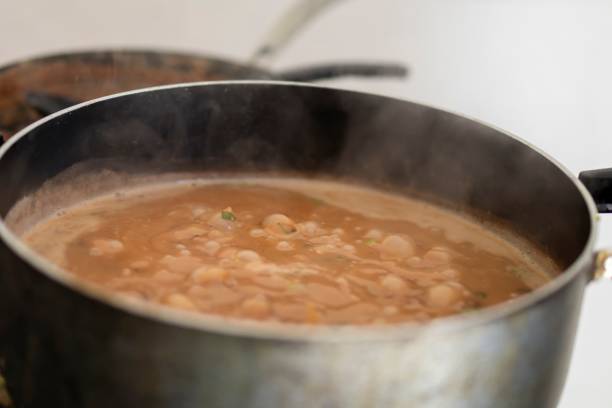
This dish is made by boiling beans until tender and then simmering them with spices, oil, and other ingredients like onions, pepper, and palm oil to create a thick, porridge-like consistency.
In a world where healthy, plant-based eating is on the rise, beans porridge stands out as a budget-friendly, nutrient-dense meal that’s easy to prepare and highly adaptable.
There are three main varieties of beans that my mom uses to make this dish, namely honey beans or black eye peas or Nigerian brown beans. The best beans to use for this recipe is honey beans because it has unique and slightly sweet flavour that really elevate your dish, but either of the other beans would do just fine. Get excited about getting healthy, Love yourself enough to live a healthy life style, which is clean eating. Minimize
Consuming refined sugars, processed ingredients and artificial additives and be eating foods like beans porridge. Nourish your body with nutrient rich foods like beans porridge.
Ingredients for Beans Porridge
Before we begin cooking, let’s look at the ingredients you’ll typically need for a classic beans porridge:
Basic Ingredients:
- 2 cups of brown or black-eyed beans (or any variety of your choice)
- 1 medium onion (chopped)
- 2 tablespoons of palm oil (or vegetable oil)
- 1-2 seasoning cubes (like Maggi or Knorr)
- Salt to taste
- 1-2 cups of water (for cooking)
Optional Add-Ins:
- Diced tomatoes
- Scotch bonnet pepper or chili
- Crayfish or dried shrimp
- Yam chunks, sweet potatoes, or plantains
- Spinach or pumpkin leaves
- Groundnut oil or coconut oil (for variation)
Step-by-Step Guide to Preparing Beans Porridge
Let’s walk through the preparation process step-by-step:
Step 1: Sort and Wash the Beans
Pick out any stones or bad beans from your selection. Rinse thoroughly under running water.
Step 2: Pre-cook the Beans
Place the washed beans in a large pot, add enough water to cover the beans, and bring to a boil.
Boil until the beans are soft and mushy. This may take 45–60 minutes with regular cooking or about 20–30 minutes with a pressure cooker.
Step 3: Prepare the Sauce
In a separate pan, heat palm oil and sauté the onions until translucent. Add blended pepper, tomatoes, and any seasonings (like crayfish, curry powder, and seasoning cubes). Let it cook for about 10 minutes.
Step 4: Combine and Simmer
Once the beans are cooked, add the sauce to the beans pot. Stir well and let it simmer on low heat. Adjust water as needed for your desired consistency. Add salt to taste.
Step 5: Add Extras (Optional)
You can add diced plantains or yam during the final 10–15 minutes of cooking, or stir in some greens like spinach just before serving for extra nutrition.
Step 6: Serve and Enjoy
Serve hot, either with rice, or a side of boiled plantain

Recipe Variations across Regions
Beans porridge isn’t a one-size-fits-all dish. Here are a few variations found around the world:
West African Style
Uses palm oil, crayfish, and spicy peppers. It’s often paired with fried plantain or fried yam.
Caribbean Style
Includes coconut milk, thyme, allspice, and sometimes rice (as in “rice and peas”).
Latin American Style
Often includes black beans, cumin, garlic, and cilantro, and is eaten with tortillas or rice.
Southern US Style
“Beans and cornbread” is a popular dish. Beans are simmered with ham hocks, onions, and seasoning.
Each version brings its own unique twist, offering delightful flavour profiles from different cultures.
Nutritional Profile of Beans
Beans are one of nature’s most nutrient-dense foods. Here’s a breakdown of what they provide per cup (cooked):
- Protein: 13–15 grams
- Fiber: 12–15 grams
- Iron: 20% of the recommended daily value
- Folate: Over 50% of the daily requirement
- Magnesium, Potassium, and Zinc
- Low Fat and Cholesterol-Free
Because of their high fiber and protein content, beans keep you fuller longer, making them great for weight management.
Health Benefits of Beans Porridge
Adding beans porridge to your weekly meals can offer a wealth of health benefits:
- Heart Health
One of the most important dietary recommendations for maintaining a healthy heart is reducing saturated fat and cholesterol intake. These substances can lead to plaque build-up in the arteries, increasing the risk of heart attacks and strokes.
Beans contain no cholesterol and are naturally low in total fat—especially saturated fat. This makes them an ideal protein source to replace red or processed meats, which are often high in saturated fat and harmful to heart health.
Quick Fact:
A single cup of cooked beans contains only about 1 gram of fat, compared to the 15–20 grams in a serving of red meat.
When prepared with minimal added oil and paired with heart-friendly ingredients, beans porridge becomes a low-fat, heart-supporting powerhouse.
2. Blood Sugar Control
Thanks to their low glycaemic index and fiber content, beans help regulate blood sugar levels, making them ideal for diabetics.
Dietary fiber is one of the most critical components in beans when it comes to regulating blood sugar levels. Beans are incredibly high in fiber, particularly soluble fiber, which dissolves in water to form a gel-like substance in the gut. This slows down the digestion and absorption of sugars, effectively flattening the glucose curve after a meal.
One cup of cooked beans contains anywhere from 12 to 15 grams of fiber, depending on the variety — that’s nearly half the recommended daily intake! When prepared as a porridge with vegetables and minimal oil, beans offer a wholesome, low-glycaemic meal that supports healthy digestion and metabolic function.
Cook a large pot of beans porridge and divide it into smaller portions for the week. Not only does this save time, but as mentioned earlier, reheating beans can increase resistant starch content, giving an extra boost to blood sugar control.
3. Weight Management
Rich in fiber and protein, beans porridge promotes safety and reduces the likelihood of overeating. Excess weight strains the heart and increases blood pressure, and raises cholesterol. One of the easiest ways to maintain a healthy weight is to eat foods that are nutrient -dense and satisfying.
Beans porridge ticks all the boxes:
- High in fiber
- High in protein
- Low in fat
- Keeps you full longer
This can lead to reduced calorie intake over time and a healthier body mass index (BMI), which is linked to better heart health.

4. Digestive Health
The high fiber content supports a healthy gut micro biome and prevents constipation. Your gut houses trillions of microorganisms, collectively called the gut micro biota, which play a vital role in digestion, nutrient absorption, and immune function.
Beans as Prebiotics:
The fiber and resistant starches in beans act as prebiotics, which feed the beneficial bacteria in your gut. When these bacteria ferment the fiber, they produce short-chain fatty acids (SCFAs) like butyrate, acetate, and propionate. These SCFAs:
- Nourish the colon lining
- Reduce inflammation
- Strengthen the gut barrier
- Support immune function
Regularly eating beans porridge can help maintain a balanced micro biome, which is crucial for healthy digestion.
5. Muscle Growth and Repair
With nearly as much protein per cup as some animal sources, beans help in building and repairing muscle tissues.
One of the most important nutrients for muscle growth is protein, and beans are loaded with it. For example, a cup of cooked kidney beans contains about 15 grams of protein. This plant-based protein is essential for repairing damaged muscle fibres and laying down new ones after workouts.
While beans don’t contain all nine essential amino acids in the ideal ratio (they’re low in methionine), combining them with grains like rice or cornmeal (often eaten alongside porridge) results in a complete protein source. This makes beans porridge a particularly effective meal for muscle repair.
Beans are high in antioxidants, particularly polyphenols and flavonoids, which help combat oxidative stress caused by intense exercise. Reducing inflammation is critical to preventing muscle soreness and speeding up the recovery process.
Examples:
- Black beans are rich in anthocyanins, a powerful antioxidant.
- Pinto beans contain kaempferol, which has anti-inflammatory properties.
By reducing muscle inflammation and protecting muscle cells from oxidative damage, these compounds contribute to faster healing and better muscle health.
6. Bone Health
Beans are a good source of magnesium, calcium, and phosphorus, all of which are essential for strong bone.
Beans porridge is more than comfort food—it’s a practical and accessible way to support bone health at every age. Packed with calcium, magnesium, protein, and other essential nutrients, it serves as a holistic meal that aligns with both traditional wisdom and modern nutritional science.
Whether you’re looking to prevent osteoporosis, support a child’s development, or just eat more healthily, incorporating beans porridge into your regular meal rotation is a smart, tasty choice.
7. Cancer Prevention
The antioxidants and phytochemicals in beans may help reduce inflammation and the risk of certain cancers.
Chronic inflammation is a key driver of cardiovascular disease. Luckily, beans are rich in polyphenols, plant compounds that function as antioxidants. These compounds help reduce oxidative stress, which damages cells and arteries.
Black beans, red kidney beans, and pinto beans—all common in various porridge recipes—are particularly high in antioxidants. When combined with onions, garlic, tomatoes, and pepper, as is traditional in many recipes, the dish becomes a nutritional anti-inflammatory bomb
8. Boosts Immune Function
Nutrients like zinc aids the immune system, aiding in the body’s defence against illness.
Beans contain various phytochemicals like saponins, lectins, and phytic acid, which may have immune-enhancing effects. While some of these compounds are considered “anti-nutrients,” proper cooking (like soaking and boiling beans during porridge preparation) reduces their levels significantly while retaining their immune-supportive properties.
One great thing about beans porridge is that it’s versatile. You can add a variety of immune-supporting ingredients such as:
- Spinach or pumpkin leaves– rich in vitamin A, C, iron, and magnesium.
- Garlic and ginger – natural antimicrobials and inflammation reducers.
- Turmeric – contains curcumin, which has potent immune-modulating effects.
This adaptability allows you to customize beans porridge into a supercharged immune-boosting meal.
Iron is vital for the proliferation and maturation of immune cells, particularly lymphocytes. Beans are rich in iron, which, when combined with vitamin C-rich vegetables (like tomatoes or pepper in the porridge), is better absorbed.
Iron deficiency, especially common in women and children, compromises immune response and increases infection risk. Beans porridge is a practical, plant-based way to help maintain healthy iron levels.
9. A Low-Glycaemic, High-Satiety Meal
Many processed or carbohydrate-rich meals cause blood sugar spikes, leading to inflammation and damage to blood vessels over time. Beans, on the other hand, have a low glycaemic index (GI).
This means they:
- Release sugar slowly into the bloodstream
- Help keep insulin levels stable
- Prevent overeating due to their high fiber and protein content
Over time, this translates to better blood sugar control, reduced cravings, and a lower risk of heart disease—especially for people with or at risk of type 2 diabetes.
10. Supports Colon Health
Maintaining a healthy colon is essential for overall digestive function. The SCFAs generated from beans’ fermentation—especially butyrate—are known to:
- Promote the growth of colon cells
- Reduce the risk of colon cancer
- Lower inflammation in the colon
- Enhance the colon’s repair mechanisms
Studies have linked high-fiber diets, particularly those rich in legumes, to a lower incidence of colorectal cancer and inflammatory bowel diseases like Crohn’s disease and ulcerative colitis
11. Reduces Gas and Bloating Over Time
Many people avoid beans due to the fear of gas and bloating. While beans do contain oligosaccharides—fermentable sugars that can cause gas—regular consumption helps your gut adapt.
Over time:
- Gut bacteria become more efficient at breaking down these sugars
- Gas production decreases
- Digestive comfort improves
Cooking beans thoroughly, soaking them overnight, and adding digestive herbs like ginger or cumin to your porridge can also help minimize these side effects.
12. Beans Porridge and Chronic Disease Prevention
A strong immune system is linked with lower risk of chronic diseases like:
- Diabetes
- Cardiovascular diseases
- Obesity
Beans porridge, being low in saturated fat and high in complex carbs and fiber, helps regulate blood sugar, maintain healthy weight, and control blood pressure—all of which support immune function indirectly.

Why Beans Porridge is a Superior Way to Eat Beans
You might wonder, “Why not just eat a plain bowl of boiled beans?” That’s a valid question. While beans in any form offer benefits, beans porridge stands out because:
- It includes other bone-friendly ingredients: Traditional beans porridge recipes often include vegetables like spinach, carrots, and bell peppers, all rich in vitamins C, A, and K—crucial for collagen formation and calcium regulation.
- It often uses healthy oils: Cooking with palm oil, olive oil, or other plant-based oils adds vitamin E and essential fatty acids, which reduce inflammation and support bone cells.
- It’s customizable: You can easily add fish, sweet potatoes, or plantains, all of which bring their own bone-boosting nutrients like vitamin D, calcium, and potassium.
- It’s easy to digest: Cooking beans into a soft porridge makes them gentler on the digestive system, allowing better absorption of nutrients.
8. Common Myths about Beans
Myth 1: Beans Cause Too Much Gas
While it’s true that beans can lead to bloating, soaking and cooking them properly significantly reduces this effect. Also, your body adjusts over time as you eat beans more regularly.
Myth 2: Beans Aren’t Complete Proteins
While beans don’t contain all essential amino acids, pairing them with grains like rice makes them a complete protein source.
Myth 3: Beans Take Too Long to Cook
Soaking it a little for like 10 minutes, pressure cooking, or using canned beans can drastically reduce prep time.
Myth 4: Beans Are Bland
With the right spices, herbs, and add-ins, beans can be incredibly flavourful.
FAQs
Can I refrigerate or freeze beans porridge?
Yes! Beans porridge keeps well in the refrigerator for up to 5 days and in the freezer for up to 3 months. Just reheat with a little water.
Can I make it vegan?
Beans porridge is naturally vegan, especially when made with plant-based oils and no meat or fish.
Which beans are best for porridge?
Brown beans, black-eyed peas, pinto beans, and kidney beans all work well, depending on your regional preference.
Is it suitable for children?
Absolutely! Beans are an excellent source of nutrients for growing kids. Just reduce the spice level.
Conclusion
Beans porridge is a testament to how simple, humble ingredients can be transformed into a hearty, satisfying, and nutritious meal. Whether you’re trying to eat healthier, cut costs, or embrace plant-based living, beans porridge deserves a spot on your menu.
Incorporating beans porridge into your diet even a few times a week can have lasting positive effects on your digestive health and also give you its other benefits. Plus, it’s a dish that can be endlessly adapted to suit various dietary needs and flavour preferences.
So, the next time you’re looking for a meal that’s not just filling but healing, a warm bowl of beans porridge might just be your best choice.
This dish is rich in flavour, and nutrition—and when prepared, it brings joy to every table. Try different variations, experiment with ingredients, and make it your own. Once you’ve mastered the basics, you’ll find endless ways to enjoy this wholesome meal.
Happy cooking—and even happier eating!