Zucchini bread has steadily grown in popularity, not only because it is delicious but also due to its impressive nutritional profile. Often baked with shredded zucchini, whole wheat flour, nuts, or natural sweeteners, this moist loaf is packed with nutrients that support the body in multiple ways. For many, the thought of adding vegetables to bread may seem unusual, but zucchini adds both flavor and health benefits, transforming a simple recipe into a nutritious powerhouse.
In this article, we’ll dive deep into the nutritional benefits of zucchini bread when eaten, exploring how it supports digestion, boosts immunity, enhances energy, promotes weight management, and strengthens overall wellness.

1. Zucchini Bread Nutrition Facts at a Glance
Before exploring the health benefits, let’s break down the nutritional composition of zucchini bread. Although exact values vary depending on recipe variations, zucchini itself contributes essential vitamins and minerals, while the bread can be tailored to include wholesome ingredients.
Key Nutrients Found in Zucchini Bread:
- Vitamins: Vitamin A, Vitamin C, Vitamin K, B-complex vitamins (B6, folate, riboflavin).
- Minerals: Potassium, magnesium, calcium, manganese, phosphorus, and iron.
- Macronutrients: Carbohydrates, dietary fiber, plant-based protein, and healthy fats (if nuts or seeds are added).
- Antioxidants: Lutein, zeaxanthin, and carotenoids.
By combining zucchini with whole grains, eggs, and healthy oils, zucchini bread becomes a balanced food rich in fiber, antioxidants, and essential micronutrients.
2. Zucchini Bread and Digestive Health
One of the most remarkable zucchini bread nutritional benefits lies in its fiber content. Zucchini itself is high in water and dietary fiber, both of which contribute to smooth digestion.
- Promotes Regular Bowel Movement: Fiber softens stools and prevents constipation.
- Supports Gut Micro biome: Prebiotic fibers nourish beneficial gut bacteria, improving overall gut health.
- Reduces Bloating: The water and fiber combination in zucchini bread helps reduce bloating by supporting fluid balance in the digestive system.
For individuals with digestive concerns, zucchini bread (especially when made with whole wheat or oat flour) is an excellent way to enjoy a gentle, fiber-rich snack that keeps the gut functioning optimally.
One of the most direct ways zucchini bread supports digestion is through its fiber content. Zucchini itself contains both soluble and insoluble fiber, each offering unique benefits:
- Soluble fiber (forms a gel-like substance in the gut):
- Slows digestion to allow for better nutrient absorption.
- Stabilizes blood sugar, reducing digestive stress.
- Feeds beneficial gut bacteria, supporting micro biome health.
- Insoluble fiber (adds bulk to stool):
- Promotes regular bowel movements.
- Prevents constipation.
- Cleanses the colon by moving waste efficiently.
When zucchini bread is made with whole wheat flour or oat flour, its fiber content multiplies, making it an excellent food for keeping digestion smooth and consistent.
A surprising yet essential benefit of zucchini in zucchini bread is its high water content—over 90% of the vegetable is water. Proper hydration is critical for digestion because:
- It softens stool, preventing constipation.
- It helps break down food for easier nutrient absorption.
- It prevents bloating and digestive discomfort caused by dry, hard stools.
Zucchini bread’s combination of water-rich zucchini and dietary fiber works like a natural hydration system for the gut, ensuring stools are well-formed yet easy to pass.

3. Rich Source of Vitamins and Minerals
The nutritional benefits of zucchini bread are closely tied to the vitamins and minerals zucchini provides.
- Vitamin C: Strengthens the immune system, aids in collagen formation, and acts as a potent antioxidant.
- Vitamin A: Supports vision health and skin repair.
- Vitamin K: Essential for blood clotting and bone strength.
- Potassium: Helps regulate blood pressure and electrolyte balance.
- Magnesium & Calcium: Improve muscle function and bone density.
When zucchini bread includes nuts like walnuts or almonds, it further boosts magnesium, calcium, and omega-3 fatty acids, making it a nutrient-dense snack or breakfast option.
Zucchini may look like a simple vegetable, but it is brimming with vitamins and minerals that support nearly every system in the human body. From immune function and bone strength to heart health and skin repair, zucchini offers an impressive nutritional profile in a low-calorie, hydrating package.
By incorporating zucchini into your meals regularly—whether raw, grilled, roasted, or baked—you provide your body with essential micronutrients such as vitamin C, vitamin A, vitamin K, B vitamins, potassium, magnesium, and manganese. Each of these nutrients contributes to overall vitality, making zucchini bread a true super food in its own right.
So next time you’re looking for a bread that delivers both taste and health, reach for zucchini bread.
4. Antioxidants in Zucchini Bread Combat Inflammation
Another powerful benefit is its antioxidant properties. Zucchini is naturally rich in carotenoids, lutein, and zeaxanthin, which protect the body from oxidative stress.
Antioxidant Benefits in Zucchini Bread:
- Neutralizes harmful free radicals that cause cell damage.
- Reduces chronic inflammation linked to heart disease, diabetes, and arthritis.
- Supports eye health by protecting against macular degeneration.
- Slows down aging by supporting skin elasticity and reducing oxidative stress damage.
A slice of zucchini bread, especially if baked with olive oil or flaxseeds, provides a powerful antioxidant boost for overall well-being.
Now let’s break down the mechanisms of how antioxidants from zucchini bread work in the body to reduce inflammation.
a. Neutralizing Free Radicals
Antioxidants in zucchini (vitamin C, carotenoids) directly scavenge free radicals, preventing them from damaging DNA, proteins, and lipids. By reducing this oxidative stress, the inflammatory response is calmed.
b. Blocking Inflammatory Pathways
Certain antioxidants inhibit pro-inflammatory enzymes and cytokines in the body. For instance, polyphenols in zucchini and whole grains reduce the activity of NF-kB, a molecule that triggers inflammation at the cellular level.
c. Protecting the Gut Lining
The antioxidants in zucchini bread, combined with dietary fiber, protect the gut barrier. A healthy gut prevents harmful substances from leaking into the bloodstream, which is a common trigger for systemic inflammation.
d. Supporting Mitochondrial Health
Free radicals are often byproducts of energy production in mitochondria. Antioxidants help stabilize mitochondria, reducing oxidative stress and preventing mitochondrial dysfunction—a key factor in chronic inflammation.
e. Reducing Blood Sugar Spikes
When zucchini bread is made with whole grains and minimal sugar, its antioxidants and fiber help regulate blood sugar. Stable blood sugar reduces inflammation since high glucose levels increase oxidative stress.

5. Zucchini Bread for Weight Management
If you are trying to maintain a healthy weight, zucchini bread can be a smart dietary choice.
- Low-Calorie Ingredient: Zucchini is naturally low in calories yet high in water and fiber, making zucchini bread filling without excessive calorie intake.
- Satiety and Portion Control: Fiber promotes a feeling of fullness, reducing cravings and overeating.
- Healthy Sweetener Options: Using honey, maple syrup, or mashed bananas instead of refined sugar lowers calorie load.
- Balance of Macronutrients: When prepared with whole grains and nuts, zucchini bread provides steady energy that prevents blood sugar spikes and crashes.
This makes zucchini bread a weight-friendly alternative to highly processed pastries.
Zucchini bread is more than just a tasty baked good—it’s a weight management-friendly food that combines low-calorie zucchini with the comfort of bread. Its high fiber content, nutrient density, and ability to regulate blood sugar make it a powerful addition to a balanced diet. By promoting satiety, supporting metabolism, and offering a healthier alternative to traditional
Snacks, zucchini bread can play a meaningful role in maintaining a healthy weight.
The key lies in preparation. By using whole grains, reducing added sugars, and incorporating healthy fats and proteins, zucchini bread can transform from a simple loaf into a nutrient-packed, weight-friendly powerhouse.
Weight management isn’t about extreme restriction but about making smart, sustainable choices. Zucchini bread embodies this philosophy by blending health and indulgence into one satisfying slice. For anyone on a journey toward better weight control, zucchini bread is not only a delicious option but also a supportive ally.
Preparing Zucchini Bread for Weight Management
Not all zucchini breads are created equal. While traditional recipes may be high in sugar, oil, and refined flour, there are numerous ways to make zucchini bread healthier and more supportive of weight goals. Here are some strategies:
a. Use Whole Grain Flour
Replacing refined white flour with whole wheat flour, oat flour, or almond flour boosts fiber, protein, and nutrient content while lowering the glycemic index. This helps regulate blood sugar and enhances satiety.
b. Reduce Added Sugar
Zucchini adds natural moisture and mild sweetness, so recipes can be made with minimal added sugar. Options like honey, maple syrup, or mashed bananas can provide natural sweetness without excessive calories.
c. Incorporate Healthy Fats
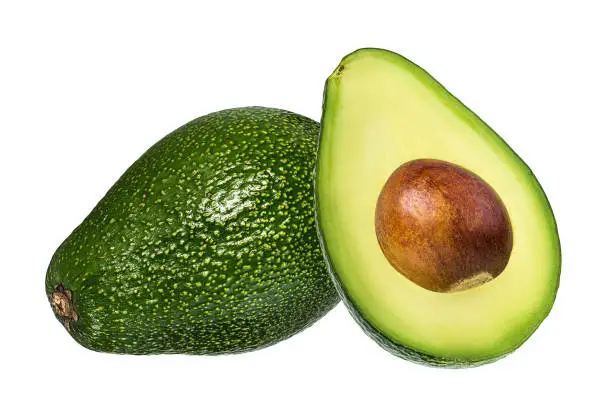
Instead of butter or margarine, try using heart-healthy oils like olive oil or avocado oil. Greek yogurt or unsweetened applesauce can also be used to reduce fat content while keeping the bread moist.
d. Add Protein Sources
Incorporating protein-rich ingredients such as Greek yogurt, chia seeds, flaxseeds, or protein powder enhances satiety and makes zucchini bread a more complete meal option.
e. Flavor With Spices Instead of Sugar
Cinnamon, nutmeg, and vanilla can add rich flavor without the need for excessive sweeteners. These spices also come with additional health benefits, such as anti-inflammatory properties.
6. Energy-Boosting Properties
Many underestimate how much energy zucchini bread provides. Thanks to its blend of complex carbohydrates, protein, and healthy fats, it serves as a long-lasting fuel source.
- Carbohydrates for Energy: Whole wheat flour provides slow-digesting carbs that release energy steadily.
- Protein for Muscle Recovery: Eggs, nuts, and seeds in zucchini bread supply protein for tissue repair and muscle health.
- Healthy Fats for Brain Function: Olive oil, walnuts, or chia seeds add omega-3s and healthy fats that fuel the brain.
Eating zucchini bread in the morning or before a workout can provide the perfect energy boost.
7. Supports Heart Health
The vitamins, minerals, and antioxidants in zucchini bread make it a heart-healthy snack.
- Fiber lowers cholesterol, reducing the risk of heart disease.
- Potassium regulates blood pressure, protecting against hypertension.
- Omega-3s from nuts improve circulation and reduce arterial inflammation.
- Antioxidants protect cardiovascular tissues from oxidative stress.
Substituting refined flours and sugars with wholesome ingredients further enhances the heart-protective benefits of zucchini bread.

8. Strengthens Bones and Muscles
Another important nutritional benefit of zucchini bread is its contribution to skeletal and muscular health.
- Calcium & Magnesium: Essential for bone density.
- Vitamin K: Improves calcium absorption, preventing osteoporosis.
- Protein: Repairs muscle tissue and supports lean muscle mass.
- Potassium: Prevents muscle cramps and strengthens muscular function.
Regularly including zucchini bread in the diet provides nutrients that support long-term bone strength and muscle recovery.
9. Zucchini Bread for Skin and Hair Health
Beyond internal health, zucchini bread also benefits skin and hair due to its high vitamin and antioxidant content.
- Vitamin C stimulates collagen production for youthful skin.
- Vitamin A & antioxidants reduce acne and support skin repair.
- Biotin & B-vitamins enhance hair strength and shine.
- Hydration from zucchini’s high water content promotes radiant skin.
Adding ingredients like walnuts or sunflower seeds boosts vitamin E levels, enhancing the beauty benefits of zucchini bread.
10. A Versatile and Healthy Snack Option
One of the most practical benefits is that zucchini bread can be made in health-focused variations to suit different needs:
- For weight management: Use whole wheat flour, reduce added sugar, and add flaxseeds.
- For athletes: Add protein powder, chia seeds, and almond butter for extra muscle support.
- For kids: Sweeten naturally with bananas and honey for a nutrient-packed snack.
- For heart health: Use olive oil, walnuts, and rolled oats for maximum cardiovascular benefits.
This adaptability ensures zucchini bread remains both delicious and health-promoting.

Conclusion: Why Zucchini Bread Deserves a Place in Your Diet
Zucchini bread is much more than a tasty loaf—it’s a nutritional powerhouse that supports digestion, boosts energy, strengthens immunity, protects the heart, and even enhances skin and hair health. Whether eaten as a snack, breakfast, or post-workout fuel, zucchini bread offers a balanced blend of fiber, vitamins, minerals, and antioxidants.
By choosing wholesome ingredients and mindful preparation methods, you can transform zucchini bread into a super food loaf that benefits your overall wellness. Next time you crave a healthy yet satisfying treat, remember that zucchini bread not only pleases your taste buds but also nourishes your body inside and out.