Author: Ifysmart83

  • Lentil Soup, A Hearty, Healthy Comfort Dish for Every Season

    There are few dishes as comforting, nourishing, and versatile as lentil soup. Whether you’re craving something cosy on a rainy day, looking for a protein-packed meal that’s both vegetarian and filling, or simply trying to use up pantry staples, lentil soup is a perfect choice. It’s a dish that transcends borders — made differently in every culture, yet always with the same essence: warmth, simplicity, and nourishment.

    In this blog, we’ll explore how to prepare lentil soup from scratch, with insights into ingredients, variations, cooking tips, and even how to store it for meal prep. By the end, you’ll not only know how to make lentil soup but also why it’s worth adding to your regular cooking rotation.

    A Brief History of Lentil Soup

    Lentils have been a part of human diets for thousands of years. Archaeologists have found lentil remains in ancient Middle Eastern sites dating back to 8000 BCE. They were one of the first crops to be domesticated, cherished for their long shelf life, nutritional density, and adaptability to various climates.

    Lentil soup itself is ancient — mentioned even in the Bible. In the story of Esau and Jacob, Esau traded his birthright for a bowl of lentil stew, showing that even in ancient times, this humble dish had the power to captivate appetites and hearts alike.

    Today, lentil soup is enjoyed worldwide, with countless regional variations:

    • Middle Eastern lentil soup is often flavoured with cumin, turmeric, and lemon.
    • Indian dal is a spiced version rich in aromatics and ghee.
    • Mediterranean versions might include tomatoes, olive oil, and herbs.
    • European recipes sometimes add ham or sausage for a heartier twist.

    No matter where you come from, lentil soup carries a universal charm — easy to make, budget-friendly, and endlessly adaptable.

    Why Lentil Soup Deserves a Spot in Your Kitchen

    Before we dive into the step-by-step recipe, it’s worth pausing to appreciate what makes lentil soup such a beloved dish.

    1. It’s Incredibly Nutritious

    Lentils are a powerhouse of nutrition. They’re high in protein, fiber, and complex carbohydrates, making them perfect for energy and satiety. Just one cup of cooked lentils provides:

    • Around 18 grams of protein
    • 16 grams of fiber
    • Rich amounts of iron, folate, magnesium, and potassium

    Combined with vegetables and broth, lentil soup becomes a balanced, nutrient-rich meal that’s great for the heart, digestion, and immune system.

    2. It’s Budget-Friendly

    Lentils are inexpensive and widely available. A bag of dried lentils can make multiple servings of soup, making it ideal for families, students, or anyone looking to cook economically without sacrificing flavour or nutrition.

    3. It’s Easy to Make

    Even if you’re a beginner in the kitchen, lentil soup is almost foolproof. There’s minimal chopping, no special equipment needed, and it’s hard to overcook. Once you’ve made it once or twice, you can start improvising and adding your own touches.

    4. It’s Great for Meal Prep

    Lentil soup tastes even better the next day. The flavors meld beautifully as it sits, making it one of the best soups to make in large batches and store in the fridge or freezer.

    Choosing the Right Lentils

    Not all lentils are created equal. The type you choose will affect the texture, colour, and flavour of your soup.

    Here’s a quick guide:

    Lentil TypeColourTextureBest For
    Brown lentilsLight to dark brownHold shape fairly wellClassic lentil soups
    Green lentils (French/Puy)Mottled greenFirm, pepperyHearty, chunky soups
    Red or yellow lentilsOrange to goldBreak down easilyCreamy or pureed soups
    Black lentils (Beluga)Jet blackFirm, earthyGourmet or Mediterranean-style soups

    For a classic, comforting lentil soup, brown or green lentils are ideal because they hold their texture well while still softening nicely. If you prefer a creamier, smoother soup, go with red lentils.

    Ingredients You’ll Need

    Here’s what you’ll need for a pot of classic, flavourful lentil soup (serves about 6):

    Main Ingredients

    • 2 tablespoons olive oil (or butter)
    • 1 large onion, diced
    • 2 carrots, peeled and diced
    • 2 celery stalks, chopped
    • 3 cloves garlic, minced
    • 1 ½ cups dried lentils (brown or green)
    • 1 teaspoon ground cumin
    • 1 teaspoon smoked paprika
    • ½ teaspoon turmeric (optional, for colour and flavour)
    • 1 bay leaf
    • 1 teaspoon salt, more to taste
    • ½ teaspoon black pepper
    • 6 cups vegetable or chicken broth
    • 1 can (14 oz) diced tomatoes, or 2 fresh tomatoes chopped
    • Juice of ½ lemon (to brighten the flavour)
    • Fresh herbs for garnish (parsley, cilantro, or dill)

    Optional Add-ins

    • A handful of spinach or kale (stirred in at the end)
    • A dash of chili flakes (for spice lovers)
    • A potato or sweet potato, diced, for a thicker texture
    • Cooked sausage or shredded chicken, for extra protein

    Step-by-Step Preparation Guide

    Step 1: Prep Your Vegetables

    Start by chopping your onion, carrots, and celery into small, even pieces. This trio — known as mirepoix in French cooking — is the aromatic base that gives soups and stews their flavour.

    Mince the garlic finely; it will be added later to prevent burning.

    Step 2: Sauté the Aromatics

    In a large pot or Dutch oven, heat the olive oil over medium heat. Add the onions, carrots, and celery, and cook for about 5–7 minutes until the onions are translucent and the carrots begin to soften.

    Add the minced garlic and cook for another minute, stirring constantly.

    This step is crucial — sautéing vegetables before adding liquid helps release their natural sweetness and depth.

    Step 3: Add the Spices

    Stir in the cumin, smoked paprika, turmeric, salt, and pepper. Toasting the spices briefly in the oil and vegetable mix helps unlock their full aroma, giving the soup a warm, earthy backbone.

    Step 4: Add Lentils and Liquid

    Pour in the lentils, diced tomatoes, and broth. Stir everything well, scraping any bits stuck to the bottom of the pot (that’s where the flavour hides!).

    Bring the mixture to a boil, then reduce the heat to low and cover partially. Let it simmer for 30–40 minutes, stirring occasionally, until the lentils are tender.

    If the soup becomes too thick, add a bit more broth or water.

    Step 5: Adjust Seasoning and Texture

    Once the lentils are cooked, taste the soup and adjust the seasoning — adding more salt, pepper, or a pinch of chili flakes if you like heat.

    For a creamier texture, you can:

    • Blend one-third of the soup using an immersion blender, then mix it back in.
    • Or simply use a potato masher to gently mash some of the lentils.

    This gives the soup body while keeping some texture intact.

    Step 6: Add Greens and Lemon Juice

    Just before serving, stir in chopped spinach or kale and let it wilt for 2–3 minutes. Then squeeze in the lemon juice to brighten and balance the earthy Flavors.

    Garnish with fresh herbs and a drizzle of olive oil if desired.

    Serving Suggestions

    Lentil soup can be enjoyed in many ways:

    • With crusty bread or pita to soak up the broth
    • Over rice or quinoa for a heartier meal
    • Topped with a dollop of yogurt or sour cream for creaminess
    • Sprinkled with feta or Parmesan cheese for a Savory twist

    For an elegant presentation, serve it with a side salad — perhaps arugula with lemon vinaigrette — and a sprinkle of herbs on top.

    Variations Around the World

    Lentil soup adapts beautifully to different cuisines. Here are a few cultural twists you can try:

    1. Middle Eastern Lentil Soup

    • Use red lentils instead of brown.
    • Add cumin, coriander, and turmeric, and finish with fresh lemon juice.
    • Blend until smooth for a silky texture.

    2. Indian-Inspired Lentil Soup (Masoor Dal)

    • Add mustard seeds, curry leaves, and garam masala.
    • Use ghee instead of olive oil for richness.
    • Serve with a side of rice and a squeeze of lime.

    3. Mediterranean Lentil Soup

    • Add tomatoes, spinach, oregano, and thyme.
    • Finish with a drizzle of olive oil and crumbled feta cheese.

    4. Smoky Lentil Soup with Bacon

    • Start by sautéing chopped bacon or pancetta until crisp.
    • Use the rendered fat to cook the vegetables.
    • Add smoked paprika for depth.

    Each variation tells its own story — a reflection of geography, culture, and taste preferences.

    Tips for Perfect Lentil Soup Every Time

    1. Don’t skip sautéing the vegetables. It builds the foundation of flavour.
    2. Watch your lentil type. Red lentils cook faster (20–25 minutes), while green and brown take 35–45 minutes.
    3. Use good-quality broth. It makes a big difference in taste.
    4. Season gradually. Add salt early but taste and adjust after cooking — lentils absorb a lot of flavour.
    5. Add acidity at the end. Lemon juice or vinegar enhances the flavour and prevents the soup from tasting flat.
    6. Let it rest. Like many soups, lentil soup tastes even better after a few hours or the next day.

    Storing and Freezing Lentil Soup

    Lentil soup is one of the best make-ahead meals.

    • In the fridge: Store in airtight containers for up to 5 days.
    • In the freezer: Freeze for up to 3 months. Allow it to cool completely first, and leave space in the container for expansion.
    • To reheat: Thaw overnight in the fridge, then reheat gently on the stove, adding a splash of broth or water if needed.

    Nutritional Highlights (Per Serving)

    (Approximate, depending on ingredients)

    • Calories: 280
    • Protein: 18g
    • Fiber: 16g
    • Fat: 8g
    • Carbohydrates: 35g
    • Iron: 30% DV
    • Folate: 90% DV

    This makes lentil soup not just filling but deeply nourishing — a complete, plant-based meal that supports your body and your budget.

    Conclusion: The Beauty of Simplicity

    Lentil soup is more than just a recipe — it’s a story of simplicity, resilience, and nourishment. It reminds us that comfort doesn’t have to be complicated, and that some of the most satisfying meals come from humble ingredients.

    Whether you’re making it on a cold winter evening, as part of your weekly meal prep, or to share with friends and family, lentil soup is a dish that always delivers — warm, flavourful, and full of love.

    So, grab your pot, a bag of lentils, and a few vegetables, and create your own version of this timeless classic. You might just find that it becomes one of your favourite comfort foods — one spoonful at a time.
  • Easy Chicken Noodle Soup Recipe

    There’s something timeless about a warm, steaming bowl of chicken noodle soup. Whether you’re battling a cold, craving nostalgia, or just want a hearty, home-cooked meal, learning how to prepare a proper version of this soup will pay off. In this blog post we’ll walk you through a detailed step-by-step guide to making a classic chicken noodle soup, with plenty of tips for flavour, nutrition, and ease. Along the way, you’ll also learn about the health benefits, ingredient choices, and variations you might consider.

    Why Chicken Noodle Soup? The Benefits

    Before diving into the cooking process, it’s worth recognising why this soup is such a favourite—and more than just comfort food.

    • The chicken provides lean, high-quality protein, which supports muscle repair, immunity, and overall health
    • The broth and vegetables (such as carrots, celery, onions) contribute vitamins and minerals—vitamin A from carrots, vitamin C and K from celery and onions.
    • The steam and warm liquid help clear nasal passages and loosen mucus, making this soup a go-to when you’re under the weather.
    • Homemade versions let you control the sodium, fat, and additives—something very important because many canned soups are high in salt.

    In short: this isn’t just tasty—it’s also nourishing, and shows up in many traditions as a soothing, healing dish.

    What You’ll Need: Ingredients & Tools

    Here’s a breakdown of the key ingredients and tools you’ll need to make a well-balanced chicken noodle soup. Feel free to adapt based on what you have.

    Ingredients (for approx. 4-6 servings)

    • Chicken: Use about 500 g (or a little more) of boneless, skinless chicken thighs and/or breasts. Using bone-in/skin on will give more flavour if you’re making your own stock. See suggestions below.
    • Vegetables (mirepoix base): 1 large onion (diced), 3 carrots (peeled & sliced), 2-3 celery stalks (sliced). Garlic (2-3 cloves, minced) adds aroma.
    • Chicken broth/stock: About 2 litres (or 8 cups) of good quality chicken stock or broth. If you can make your own, even better.
    • Herbs & seasoning: Fresh (or dried) thyme sprigs, bay leaf, salt, pepper. Fresh parsley at the end helps brighten.
    • Noodles: Choose egg noodles (classic) or your favourite pasta shaped noodles. Quantity: roughly 200–250 g (or about 8-10 oz) depending on how “soupy” you like it.
    • Optional extras: A squeeze of lemon juice for brightness, additional veggies (peas, spinach), or even whole-grain noodles to boost fibre.

    Tools

    • A large heavy pot or Dutch oven (4-5 quart / ~4-5 litre size)
    • Sharp knife, chopping board
    • Ladle and stirring spoon
    • Measuring cups/spoons
    • Optional: Fine sieve if you make your own stock and want to strain it

    Step-by-Step: How to Make Classic Chicken Noodle Soup

    Here we go — the detailed cooking process from start to finish. Follow these steps and you’ll end up with a delicious, well-balanced soup.

    1. Sear the chicken (optional but flavour-boosting)

    Heat a bit of olive oil or light oil in your large pot over medium-high heat. Season the chicken with a little salt and pepper, then place it into the hot pot. Sear one side for about 5 minutes until golden, then turn and sear the other side for another ~5 minutes. This builds flavour.
    Once seared, remove the chicken and set aside temporarily.

    2. Sauté the vegetables

    In the same pot (with the chicken juices and oil), add your diced onion, sliced carrots and celery. Stir and cook for about 8-10 minutes until the onions are translucent and the carrots begin to soften. Then add minced garlic and cook for ~1-2 minutes until fragrant. 3. Add broth, herbs & chicken

    Return the seared chicken to the pot. Add your chicken broth (or stock) plus enough water if needed to reach roughly the right level (roughly 2 litres or to cover ingredients). Add thyme sprigs and bay leaf. Bring to a boil, then reduce to a gentle simmer. Cover and cook for about 20-30 minutes until the chicken is cooked through.

    4. Remove chicken & shred

    Once cooked, remove the chicken from the pot and set aside to cool slightly. While it cools, discard the bay leaf and thyme sprigs. When the chicken is cool enough, remove skin (if used) and bones (if used) and shred or dice the meat into bite-sized pieces. Return the shredded meat to the pot.

    5. Cook the noodles

    Bring the soup back to a boil (if it’s dropped). Add the noodles and cook for about 5 minutes (or according to package instructions) until tender but still pleasantly firm (al dente). Avoid over-cooking so they don’t become mushy.

    6. Final seasoning & finishing touches

    Taste the soup and adjust salt and pepper as needed. Add fresh chopped parsley and a squeeze of lemon juice, if desired, for brightness. Let everything rest for a minute or two, then it’s ready to serve hot.

    7. Serve & enjoy

    Ladle into bowls and serve immediately. You can garnish with extra parsley, some freshly cracked pepper, or even a swirl of olive oil if you like.

    Key Tips for Better Soup

    Here are some insider tips to elevate your soup from “good” to “great”.

    • Use good-quality stock or make your own: The foundation of flavour lies in the broth. A rich chicken stock makes all the difference.
    • Don’t skip the searing stage: Searing the chicken or even the vegetables enhance flavour via browning (Maillard reaction) which adds depth.
    • Control salt carefully: Many store-bought broths are already salted. Taste before adding too much. As one home cook shared:

    “You need to add salt until it is no longer bland.”

    • Timing of noodles: Add the noodles late so they don’t absorb too much soup and turn mushy.
    • Herb and fresh parsley at the end make a difference: they add freshness and brightness to a soup that might otherwise feel heavy.
    • If you plan leftovers: You might consider cooking the noodles separately and adding them to each bowl when serving to avoid sogginess. (Tip from many recipe sources.)
    • Variation: For a slightly richer texture, you can purée some of the cooked vegetables and broth before adding the noodles—this gives body without adding cream.

    Variations & Adaptations

    Here are some ways to modify the basic recipe to suit your taste, dietary requirements, or whatever ingredients you have on hand.

    • Whole-grain noodles: Swap regular egg noodles for whole-grain pasta to boost fibre and make the soup more filling.
    • Extra vegetables: Consider adding peas, spinach/kale, zucchini, or mushrooms to increase the veggie content.
    • Bone-in chicken for more flavour: Using bone-in, skin-on chicken will deepen flavour (especially if making your own stock). After cooking, remove skin/bones and return meat.
    • Spicy version: Add a pinch of red pepper flakes or a diced chilli for a gentle kick.
    • Gluten-free: Use gluten-free noodles or omit noodles and serve with rice or quinoa instead.
    • Vegetarian alternative: Use vegetable broth and substitute chicken with firm tofu or chickpeas for protein (though strictly speaking then it’s not “chicken” noodle soup).
    • Speedy version: Use leftover cooked chicken (or a rotisserie chicken), and pre-made low-sodium broth to reduce time. Some sources suggest cooking the noodles at the very end to preserve texture.

    Nutrition & Health Notes

    To get the most out of your soup from a health viewpoint:

    • Hydration & electrolytes: The broth helps with fluid intake; this is especially helpful if you’re unwell.
    • Sodium caution: If using store-bought broth, check salt content. Homemade gives you more control.
    • Balance: The meat provides protein, the noodles provide carbohydrates for energy, the vegetables bring vitamins and minerals. Hence, soup is a balanced single-pot meal.
    • Comfort factor: Beyond nutrients, the psychological and comforting effect of a warm soup should not be underestimated—especially when you’re feeling under the weather or simply longing for a cozy home-cooked meal.

    Troubleshooting Common Issues

    • “My soup tastes bland.”
      Make sure you sauté the vegetables properly for flavour, and adjust salt/pepper at the end. Use good quality stock. One user noted:

    “Onion adds a ton of flavour, so consider adding more of that to the soup.” “Noodles are too mushy/over-absorbed.”
    Add noodles near the end of cooking. Cook them just until al dente. Don’t let them sit in the soup too long before serving.

    • “My broth is oily or too fatty.”
      If you used chicken with skin or bones, you may see fat floating on top. You can skim off excess fat with a spoon or chill the soup and remove solidified fat later.
    • “Chicken is dry or bland.”
      If you sear the chicken and then simmer gently, it retains moisture better. Also shredding and returning to soup helps piece it back into the flavour.

    Storage & Serving Suggestions

    • Leftovers: Store in an airtight container in the fridge for 2-3 days. Reheat gently before serving.
    • Freezing: If you want to freeze portions, cook everything except the noodles; freeze the broth + chicken + veggies. When you’re ready to eat, then, bring to boil, then add fresh noodles and cook until tender. Many recipes suggest this method to preserve noodle texture.
    • Serving suggestions: Serve with crusty bread or a slice of whole-grain bread for dipping. A side salad can round out the meal.

    Final Thoughts

    Making your own chicken noodle soup is more than just following a recipe—it’s about layering flavour, controlling ingredients, and creating something wholesome. With the steps above, you’ll have a go-to method that works anytime you need comfort, nourishment or a warming meal.

  • Easy Fall Soup Recipe Of Creamy Tomato Soup                       

    There’s something undeniably comforting about a bowl of creamy tomato soup. Whether it’s paired with a crispy grilled cheese sandwich or enjoyed on its own, this dish brings warmth and nostalgia to the table. The balance of tangy tomatoes, silky cream, and aromatic herbs makes it a timeless favourite for any season — especially chilly evenings.

    If you’ve ever wondered how to prepare creamy tomato soup at home, you’re in the right place. In this blog post, I will explore everything you need to know — from choosing the best tomatoes to adding the perfect touch of creaminess. Plus, we’ll include expert cooking tips, variations, and nutritional insights.

    Few dishes warm both the heart and the stomach like creamy tomato soup. Whether it’s a chilly evening or you’re simply craving something cozy, this timeless classic deliver comfort in every bite. The velvety texture, tangy sweetness of ripe tomatoes, and touch of cream make it irresistibly smooth and satisfying.  

    Creamy tomato soup is endlessly versatile. Pair it with a grilled cheese sandwich, serve it alongside crusty artisan bread, or top it with fresh basil and cracked black pepper for a gourmet twist. Whether homemade or enjoyed at your favourite café, it’s a dish that fits any mood or meal.

    🥫 Why You’ll Love This Creamy Tomato Soup

    Homemade creamy tomato soup has a flavour that canned soup simply can’t match. The freshness of ripe tomatoes, the richness of cream, and the aroma of sautéed onions and garlic combine to create an irresistibly smooth, restaurant-quality bowl of comfort.

    Here’s why this recipe is worth trying:

    • Simple Ingredients: You likely already have most of them in your pantry.
    • Quick to Make: Ready in under 40 minutes.
    • Customizable: Adjust the thickness, spice level, or creaminess to your liking.
    • Nutritious: Packed with antioxidants and vitamins from fresh tomatoes.
    • Perfect for All Seasons: Enjoy it hot in winter or chilled in summer.

    🍅 Ingredients You’ll Need

    Before we dive into the method, let’s gather our ingredients. The secret to the best creamy tomato soup lies in using fresh, ripe tomatoes and balancing Flavors with a few simple pantry staples.

    🧂 Basic Ingredients:

    • Fresh ripe tomatoes – 6 to 8 medium-sized (about 1 kg)
    • Olive oil or butter – 2 tablespoons
    • Onion – 1 medium-sized, finely chopped
    • Garlic – 3 cloves, minced
    • Tomato paste – 1 tablespoon (for deeper flavour)
    • Vegetable or chicken broth – 2 cups
    • Heavy cream or fresh cream – ½ cup
    • Salt – to taste
    • Black pepper – ½ teaspoon

    🌿 Optional Additions:

    • Fresh basil leaves – ¼ cup (for tomato basil soup variation)
    • Red chili flakes – for a hint of spice
    • Parmesan cheese – for garnish
    • Croutons – to add crunch

    🔪 Step-by-Step Preparation: How to Make Creamy Tomato Soup

    Now that you have your ingredients ready, let’s walk through the cooking process step-by-step. This method ensures that your soup is flavourful, silky, and perfectly creamy.

    Step 1: Prepare and Blanch the Tomatoes

    1. Wash the tomatoes thoroughly.
    2. Bring a large pot of water to a boil.
    3. Make a small “X” cut at the bottom of each tomato.
    4. Drop the tomatoes into boiling water and blanch for 2–3 minutes until the skins start to peel.
    5. Remove them with a slotted spoon and transfer immediately to a bowl of ice-cold water.

    👉 Pro Tip: Blanching helps to easily remove tomato skins, resulting in a smoother soup texture.

    Step 2: Peel, Chop, and Blend

    1. Once cooled, peel off the skins.
    2. Roughly chop the tomatoes and set aside.
    3. Using a blender or immersion blender, puree the tomatoes until smooth.

    👉 Optional: Strain the puree through a sieve to remove seeds and pulp for an ultra-smooth finish.

    Step 3: Sauté Aromatics

    1. In a large pot, heat olive oil or butter over medium heat.
    2. Add chopped onion and sauté until translucent (about 3–4 minutes).
    3. Add minced garlic and sauté for another 30 seconds until fragrant.

    This step builds the flavor foundation for your soup.

    Step 4: Add Tomato Paste and Puree

    1. Stir in the tomato paste and cook for 1–2 minutes to enhance its sweetness.
    2. Add the tomato puree to the pot and mix well.
    3. Pour in the broth (vegetable or chicken) and stir to combine.

    Let the mixture simmer gently for 15–20 minutes, allowing all the flavors to meld.

    Step 5: Blend for Creaminess

    Once the soup has simmered:

    1. Use an immersion blender to blend the soup directly in the pot until smooth.
      (If using a regular blender, allow the soup to cool slightly before blending in batches.)
    2. Return the soup to the pot and adjust the consistency with extra broth if needed.

    Step 6: Add the Cream and Seasoning

    1. Lower the heat and stir in heavy cream slowly.
    2. Season with salt, pepper, and sugar (if desired).
    3. Simmer for another 2–3 minutes — do not boil after adding cream to prevent curdling.

    👉 Pro Tip: For a lighter version, replace heavy cream with milk, coconut cream, or cashew cream.

    Step 7: Garnish and Serve

    Ladle the creamy tomato soup into bowls and garnish with:

    • A drizzle of cream
    • Fresh basil leaves
    • Croutons or a sprinkle of Parmesan cheese

    Serve hot with grilled cheese sandwiches, garlic bread, or buttered toast.

    🧀 Perfect Pairings for Creamy Tomato Soup

    Creamy tomato soup pairs beautifully with many side dishes. Here are some delicious ideas to elevate your meal:

    1. Grilled Cheese Sandwich – The classic combination that never fails.
    2. Garlic Bread – Adds crunch and aroma.
    3. Salad – A fresh green salad balances the richness of the soup.
    4. Pasta – Use the soup as a light sauce base.
    5. Roasted Vegetables – For a healthy and hearty accompaniment.

    🧑‍🍳 Pro Cooking Tips

    • Use fresh tomatoes for the best flavor. If not available, canned whole tomatoes work too.
    • Don’t skip sautéing onions and garlic. They build a rich, savory depth.
    • Avoid boiling after adding cream. Gentle heating keeps the texture silky.
    • Adjust thickness by adding more broth (for thinner) or simmering longer (for thicker).
    • Add herbs at the end to retain freshness and aroma.

    🌱 Healthy Variation

    If you’re looking for lighter  alternatives, try these variations:

    1. Vegan Creamy Tomato Soup:
      1. Replace cream with coconut milk or cashew cream.
      1. Use olive oil instead of butter.
    2. Spicy Tomato Soup:
      1. Add chili flakes or a pinch of cayenne pepper.
    3. Tomato Basil Soup:
      1. Stir in a handful of fresh basil leaves during the final simmer.
    4. Roasted Tomato Soup:
      1. Roast the tomatoes with garlic and onions before blending for a smoky depth of flavour.

    🍽️ Nutritional Information (Per Serving)

    NutrientAmount (Approx.)
    Calories210 kcal
    Protein4 g
    Carbohydrates18 g
    Fat12 g
    Fiber3 g
    Vitamin C35% of daily value
    Vitamin A20% of daily value

    (Values may vary based on ingredients and portion size.)

    💡 Frequently Asked Questions (FAQ)

    1. Can I use canned tomatoes instead of fresh?

    Absolutely! Use high-quality canned whole or diced tomatoes. They work great, especially when fresh tomatoes are out of season.

    2. How long can I store creamy tomato soup?

    Refrigerate in an airtight container for up to 4 days. Reheat gently over low heat before serving.

    3. Can I freeze this soup?

    Yes! Freeze for up to 3 months. Thaw in the refrigerator overnight and reheat slowly.

    4. What can I use instead of heavy cream?

    You can use half-and-half, coconut cream, Greek yogurt, or cashew cream for a lighter or dairy-free version.

    5. How do I make it thicker?

    Let the soup simmer uncovered for a few extra minutes, or add a small spoonful of cornstarch slurry.

    🧄 A Little History: The Origin of Tomato Soup

    Tomato soup has been enjoyed for centuries across different cultures. The modern creamy version is believed to have originated in Europe during the 19th century, when tomatoes became more common in cooking. Later, American home cooks popularized the dish by adding milk or cream for richness.

    Today, it remains one of the world’s most beloved comfort foods — served in everything from cozy cafés to gourmet restaurants.

    🕒 Time Breakdown

    StepDuration
    Preparation10 minutes
    Blanching and peeling10 minutes
    Cooking and simmering20 minutes
    Blending and finishing10 minutes
    Total Time~40 minutes

    🧂 Quick Recap of the Recipe

    Ingredients:
    Tomatoes, onion, garlic, butter, tomato paste, broth, cream, salt, pepper, sugar.

    Steps:

    1. Blanch and peel tomatoes.
    2. Puree and strain.
    3. Sauté onion and garlic.
    4. Add tomato paste and puree.
    5. Simmer with broth.
    6. Blend, add cream, season.
    7. Garnish and serve.

    ❤️ Why Homemade is Always Better

    Making tomato soup from scratch means you:

    • Control the ingredients (no preservatives or excess sodium).
    • Customize the texture and flavour.
    • Enjoy the therapeutic process of cooking.

    A bowl of homemade creamy tomato soup not only warms your body but also your soul — a true symbol of comfort food at its finest.

    🧾 Conclusion: Enjoy the Perfect Bowl of Creamy Tomato Soup

    Now that you know exactly how to prepare creamy tomato soup, you can easily bring restaurant-quality flavour to your own kitchen. The beauty of this recipe lies in its simplicity — fresh tomatoes, a few aromatics, and a swirl of cream can transform into something truly special.

    Whether you’re cooking for your family, entertaining guests, or just craving a cozy night in, this soup is the perfect choice. Pair it with a grilled cheese sandwich, and you’ve got yourself a timeless, heartwarming meal.

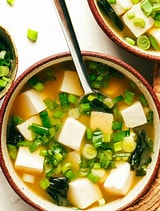
  • Delicious Soup Recipe Miso Soup Recipe.

    Few dishes capture the essence of Japanese cuisine quite like miso soup. With its delicate balance of umami flavours, comforting warmth, and nourishing simplicity, this humble soup is both a daily staple and a cultural icon in Japan. Whether served at breakfast alongside grilled fish and rice, or enjoyed as part of a multi-course dinner, miso soup is more than just food—it’s a tradition, a connection to the rhythms of Japanese life, and a reflection of the culinary philosophy of harmony and respect for ingredients.

    In this guide, I will explore everything you need to know about miso soup: what it is, the ingredients that make it special, how to prepare it at home, and how to experiment with delightful variations that suit your taste. By the end, you’ll have both the confidence and inspiration to make your own authentic (and personalized) bowl of miso soup.

    1. Understanding Miso Soup

    What is Miso Soup?

    Miso soup, or miso-shiur in Japanese, is a traditional soup made primarily from dashi (Japanese stock) and miso paste (fermented soybean paste). While it might sound simple, its depth of flavour and nutritional benefits are remarkable.

    A good bowl of miso soup is a study in balance:

    • Dashi provides a clear, umami-rich base.
    • Miso paste adds depth, saltiness, and body.
    • Ingredients like tofu, wakame (seaweed), and green onions offer texture and visual appeal.

    Cultural Significance

    In Japan, miso soup isn’t a special-occasion dish—it’s a daily essential. Many Japanese families enjoy it every morning, much like how people in the West drink coffee or eat cereal. It’s served alongside rice and a small protein or pickled vegetables, forming a nutritionally balanced meal.

    Moreover, miso soup is deeply symbolic in Japanese households. It’s often one of the first dishes children learn to make and is traditionally served at significant life events—from weddings to funerals—as a gesture of care and nourishment.

    2. The Core Ingredients

    To make authentic miso soup, you only need a few ingredients, but each plays a vital role in creating the right flavor and texture.

    A. Dashi (だし) – The Broth

    Dashi is the foundation of miso soup. Unlike Western stocks that are simmered for hours, dashi is light, quick to prepare, and highlights umami.

    Common types include:

    1. Kombu Dashi – Made from dried kelp, this vegetarian dashi has a clean, oceanic flavor.
    2. Katsuobushi Dashi – Made from dried, fermented bonito flakes. This version is smoky, savory, and very traditional.
    3. Awase Dashi – A blend of kombu and katsuobushi, this is the most common base for miso soup.
    4. Niboshi Dashi – Made from dried anchovies, producing a stronger, saltier broth.
    5. Vegan Dashi – Kombu combined with shiitake mushrooms for a rich, meat-free umami base.

    B. Miso Paste (味噌)

    Miso paste is a fermented mixture of soybeans, salt, and koji (a type of fungus used in Japanese fermentation). The fermentation process can last from a few weeks to several years, influencing the flavor and color.

    There are three main types of miso:

    1. White Miso (Shiro Miso) – Light in color and mild in flavor, slightly sweet, and ideal for beginners.
    2. Red Miso (Aka Miso) – Darker, saltier, and stronger in taste due to longer fermentation.
    3. Mixed Miso (Awase Miso) – A blend of white and red miso, offering balance and versatility.

    C. Add-ins and Garnishes

    While the basic soup contains only miso and dashi, most versions include ingredients that complement the broth:

    • Tofu – Soft (silken) tofu adds protein and a creamy texture.
    • Wakame Seaweed – Dried seaweed that rehydrates in the soup, giving a pleasant chewiness.
    • Green Onions (Scallions) – Add color, freshness, and a mild bite.
    • Daikon Radish, Mushrooms, Potatoes, or Carrots – Optional ingredients that make the soup heartier.

    3. Step-by-Step: How to Prepare Classic Miso Soup

    Let’s walk through the process of making a traditional miso soup for about 4 servings.

    Ingredients

    • 4 cups (1 liter) dashi stock
    • 3 tablespoons miso paste (white, red, or mixed)
    • ½ cup cubed tofu (preferably silken or soft)
    • 2 tablespoons dried wakame seaweed
    • 2 green onions, finely chopped

    Instructions

    Step 1: Prepare the Dashi

    If you’re making dashi from scratch (recommended for authenticity):

    1. Kombu Dashi Method:
      1. Soak a piece of dried kombu (about 4×4 inches) in 4 cups of water for 30 minutes.
      1. Slowly heat the water until just before boiling.
      1. Remove the kombu (don’t boil it—it can turn bitter).
    2. Add Katsuobushi (optional):
      1. Once the kombu is removed, add a handful of bonito flakes.
      1. Simmer gently for 2–3 minutes, then strain.

    Alternatively, you can use instant dashi powder, available at Asian supermarkets, for a faster version.

    Step 2: Add Wakame and Tofu

    • Add the dried wakame to the hot (but not boiling) dashi. It will rehydrate within 2–3 minutes.
    • Gently add cubed tofu. Avoid vigorous stirring to prevent breaking the tofu.

    Step 3: Dissolve the Miso

    This step is crucial for texture and taste.

    • Ladle a small amount of hot dashi into a small bowl.
    • Add the miso paste to this bowl and stir until fully dissolved.
    • Pour this mixture back into the pot and stir gently.

    Important:
    Never boil the soup after adding miso! Boiling destroys the beneficial enzymes and alters its delicate flavor.

    Step 4: Add Green Onions and Serve

    • Add the chopped green onions just before serving.
    • Pour the soup into bowls and enjoy immediately while warm.

    4. Tips for Perfect Miso Soup

    • Mind the temperature: Keep the soup below boiling once miso is added.
    • Adjust saltiness: Miso paste varies in salt content—start with less and adjust to taste.
    • Storage: Miso soup is best fresh but can be refrigerated for 2–3 days. Reheat gently, never to a boil.
    • Protein boost: Add small pieces of cooked salmon, clams, or shrimp for extra heartiness.
    • Umami enhancer: Add mushrooms like shiitake or enoki to deepen the flavor naturally.

    5. Variations of Miso Soup

    The beauty of miso soup lies in its adaptability. Across Japan, regional and seasonal variations abound, each reflecting local produce and traditions. Let’s look at some popular and creative twists.

    A. Tofu and Wakame Miso Soup (Standard)

    The classic version described above—light, simple, and elegant. Perfect as an introduction to miso soup.

    B. Mushroom Miso Soup

    Ingredients:
    Dashi, miso, assorted mushrooms (shiitake, enoki, shimeji), tofu, green onions.

    Flavor Profile:
    Rich and earthy. The mushrooms enhance umami, making it a satisfying vegetarian option.

    Tip: Use shiitake dashi for an extra layer of mushroom flavor.

    C. Clam Miso Soup (Asari Miso Shiru)

    Ingredients:
    Fresh clams, dashi, white miso, green onions.

    Flavor Profile:
    Briny, oceanic, and slightly sweet. A common restaurant in coastal areas of Japan.

    Preparation Note:
    Soak clams in salted water for 30 minutes to remove sand before cooking.

    D. Pork and Vegetable Miso Soup (Tonjiru)

    Ingredients:
    Pork belly slices, carrots, potatoes, daikon, konnyaku (yam cake), sesame oil, and red miso.

    Flavor Profile:
    Hearty and warming. Often eaten during colder months.

    Preparation Note:
    Sauté the pork and vegetables lightly in sesame oil before adding dashi—this enhances aroma and depth.

    E. Cold Miso Soup (Hiyajiru)

    Ingredients:
    Chilled dashi, white miso, cucumbers, tofu, and shiso leaves.

    Flavor Profile:
    Refreshing and light—ideal for summer.

    Tip: Use ice-cold dashi and whisk in the miso just before serving.

    F. Egg Miso Soup

    Ingredients:
    Dashi, miso, beaten egg, tofu, and scallions.

    Flavor Profile:
    Silky and mild, with soft ribbons of cooked egg floating in the broth.

    Preparation Note:
    Add the beaten egg while gently stirring the hot soup, but before adding miso.

    G. Spicy Miso Soup

    Ingredients:
    Dashi, red miso, chili paste (togarashi or gochujang), tofu, mushrooms.

    Flavor Profile:
    A fusion twist that combines the comforting umami of miso with a hint of heat.

    Tip: Adjust chili level to your spice tolerance.

    6. Health Benefits of Miso Soup

    Miso soup isn’t just comforting—it’s incredibly nutritious.

    Probiotics and Gut Health

    Because miso is a fermented food, it contains beneficial bacteria (especially if unpasteurized) that support digestion and gut health.

    Rich in Nutrients

    • Protein: From soybeans and tofu.
    • Minerals: Especially zinc, manganese, and copper.
    • Vitamins: B vitamins and vitamin K.
    • Antioxidants: From seaweed and miso itself.

    Low in Calories

    A bowl of miso soup typically has only about 40–60 calories, making it a light yet satisfying addition to meals.

    7. Pairing Miso Soup with Other Japanese Dishes

    In traditional Japanese meals, miso soup is served alongside:

    • Steamed rice (Gohan)
    • Grilled fish (Yakizakana)
    • Pickled vegetables (Tsukemono)
    • Natto (fermented soybeans)

    For a full Japanese-style breakfast, a simple spread of these items offers a beautiful balance of flavors and nutrients.

    8. Storing and Reusing Ingredients

    Miso Paste:

    Keep miso paste in an airtight container in the refrigerator. It lasts for months due to its salt content, and the flavor can even improve with time.

    Dashi:

    Fresh dashi can be refrigerated for up to 3 days or frozen for up to 2 months.

    Tofu:

    Store in water in the fridge and change the water daily if not used immediately.

    9. Making It Your Own

    Once you master the basics, miso soup becomes a canvas for creativity. You can tailor it based on:

    • Season: Add root vegetables in winter, light greens in summer.
    • Diet: Use gluten-free miso or vegan dashi.
    • Personal taste: Experiment with different miso blends for unique flavor profiles.

    Remember—the key to great miso soup is balance. Each bowl should feel harmonious: salty but soothing, light yet deeply flavorful.

    10. Conclusion

    Miso soup is more than a recipe—it’s a reflection of Japanese culinary philosophy: respect for ingredients, balance of flavor, and simplicity in preparation. Despite its humble appearance, every bowl carries centuries of tradition and a sense of connection to everyday Japanese life.

    Whether you enjoy the classic tofu and wakame version or explore heartier adaptations like tonjiru, miso soup offers comfort, nutrition, and versatility in one bowl. Best of all, it’s incredibly easy to make once you understand the fundamentals.

    So next time you crave something nourishing yet elegant, reach for a jar of miso and a pot of dashi—you’ll be surprised how much joy a simple bowl of soup can bring.

  • Best Soup Recipe Ever Caldo Verde Recipe

    Few dishes capture the soul of Portuguese cuisine quite like Caldor Verde. Translating literally to “green broth,” this humble yet heart warming soup has fed generations of families across Portugal — from rural farmhouses in Minho to bustling Lisbon cafés. It’s a dish of remarkable simplicity: potatoes, onions, olive oil, kale, and chouriço (Portuguese sausage) come together to create something far greater than the sum of its parts.

    In this blog, we’ll explore the history of Caldo Verde, break down its ingredients and techniques, and guide you through a step-by-step preparation so you can make this comforting soup in your own kitchen. Along the way, we’ll also share tips, regional variations, and serving suggestions to help you master Portugal’s favourite comfort food.

    1. A Brief History of Caldo Verde

    Caldo Verde originated in the Minho region in northern Portugal, an area known for its rolling green hills, vineyards, and strong culinary traditions. Historically, it was a peasant dish, made with inexpensive and readily available ingredients — potatoes grown in the fields, onions from the garden, and kale (or a local variety called Couva galega) harvested from the backyard.

    Over the centuries, Caldo Verde evolved from rural kitchens to urban tables. It became a national dish, enjoyed at all levels of Portuguese society. Today, it is served both in homes and restaurants, often as a starter during celebrations such as weddings, New Year’s Eve parties, and the feast of Saint John in Porto (Festa de São João).

    Despite its widespread popularity, the heart of Caldo Verde remains rustic and unpretentious — a soup that represents community, comfort, and the warmth of Portuguese hospitality.

    2. Understanding the Ingredients

    The beauty of Caldo Verde lies in its simplicity. You only need a handful of basic ingredients, but each plays an essential role in creating the soup’s signature flavor and texture.

    a. Potatoes (Batatas)

    Potatoes form the base of the broth, giving Caldo Verde its creamy texture without the need for cream or milk. Traditionally, starchy varieties like Yukon Gold or Russet potatoes are used, as they blend smoothly when pureed.

    b. Onion (Cebola) and Garlic (Alho)

    These aromatics provide depth and sweetness. They are sautéed gently in olive oil to form the aromatic foundation of the soup.

    c. Olive Oil (Azeite)

    A good-quality extra virgin olive oil is non-negotiable in Portuguese cooking. It enriches the broth and adds the characteristic silky mouthfeel. Many Portuguese cooks also drizzle a bit of raw olive oil on top just before serving for a finishing touch.

    d. Kale (Couve Galega or Collard Greens)

    The “green” in Caldo Verde comes from finely shredded kale — ideally couve galega, a Portuguese heirloom variety that’s

    long and tender. Outside Portugal, collard greens, curly kale, or Tuscan kale (cavolo nero) make excellent substitutes.

    The greens must be sliced into paper-thin ribbons, a signature detail that distinguishes Caldo Verde from other soups.

    e. Chouriço (Portuguese Smoked Sausage)

    A few slices of chouriço (or chorizo, in Spain) lend smoky richness to the otherwise delicate broth. It’s common to simmer the sausage briefly in the soup, infusing it with flavor, and then serve a few rounds in each bowl for presentation.

    f. Salt and Pepper

    These are used sparingly to balance the natural Flavors of the ingredients.

    3. Equipment You’ll Need

    You don’t need fancy tools to make Caldo Verde — just a few essentials:

    • A large soup pot or Dutch oven
    • A sharp knife (for slicing the greens and sausage)
    • A ladle
    • A wooden spoon or spatula
    • A blender or immersion blender for pureeing the potatoes
    • A cutting board

    Optional but traditional: a clay pot (tacho de barro), which retains heat beautifully and adds rustic charm.

    4. Traditional Recipe: Step-by-Step

    Let’s dive into the cooking process. This recipe serves 4 to 6 people and takes about 45 minutes from start to finish.

    Ingredients

    • 4 large potatoes (about 800g), peeled and diced
    • 1 large onion, finely chopped
    • 2 cloves garlic, minced
    • 3 tablespoons extra virgin olive oil (plus extra for drizzling)
    • 1.5 liters (about 6 cups) of water or vegetable broth
    • 150g (about 5 oz) of kale or collard greens, shredded very thinly
    • 100g (about 3.5 oz) Portuguese chouriço, sliced into thin rounds
    • Salt and black pepper to taste

    Step 1: Prepare the Kale

    Start by washing and drying your greens thoroughly. Remove the tough central ribs, then stack the leaves and roll them tightly into a cigar shape. Slice them into very thin ribbons — as fine as you can manage.

    This fine slicing, called cortar em caldo-verde, gives the soup its iconic texture, where the greens float like delicate strands through the broth.

    Step 2: Build the Base

    In a large pot, heat 2 tablespoons of olive oil over medium heat. Add the chopped onion and garlic, sautéing until they turn soft and translucent (about 5–7 minutes).

    This is your aromatic foundation. Be careful not to brown the garlic — Caldo Verde should taste mellow and gentle, not sharp or burnt.

    Step 3: Add the Potatoes and Liquid

    Add the diced potatoes to the pot, stirring to coat them in the onion mixture. Pour in the water or broth, and bring everything to a boil. Once it’s boiling, reduce the heat and simmer until the potatoes are very tender, about 20–25 minutes.

    Step 4: Blend the Soup

    When the potatoes are soft, use an immersion blender to puree the soup directly in the pot. Alternatively, transfer it to a countertop blender in batches, then return it to the pot.

    The result should be a smooth, creamy base — rich but not heavy.

    Season with salt and pepper to taste.

    Step 5: Cook the Greens

    Add the finely shredded kale to the pot. Stir gently and let it simmer for about 5–10 minutes, just until the greens are tender but still vibrant green. Overcooking can dull both the color and the flavor.

    Step 6: Add the Chouriço

    In a separate small pan, lightly sauté the sliced chouriço for a minute or two to release its oils. Add it to the soup, reserving a few slices for garnish. The chouriço will impart a subtle smoky undertone to the broth.

    Step 7: Finish with Olive Oil

    Just before serving, drizzle in the remaining tablespoon of olive oil. This final touch elevates the soup, giving it a silky sheen and a rich aroma.

    Step 8: Serve and Enjoy

    Ladle the soup into warm bowls, ensuring each portion has a few chouriço slices on top. Traditionally, Caldo Verde is served with a piece of rustic corn bread (broa de milho) or crusty white bread to soak up the broth.

    5. The Secret to Perfect Caldo Verde

    While the steps are simple, the soul of Caldo Verde lies in balance — between the earthy potatoes, the peppery greens, and the smoky sausage. Here are a few insider tips from Portuguese home cooks:

    1. Use the right greens: The thinner the kale ribbons, the better the texture. A mandoline slicer can help achieve uniform strands.
    2. Don’t rush the base: Let the onions and garlic cook slowly in olive oil to build flavor.
    3. Avoid over-pureeing: Blend until smooth but not watery. The soup should have body.
    4. Mind the color: Add the kale near the end to keep the soup bright green.
    5. Choose quality olive oil: Since olive oil is both a cooking medium and a flavor, using a fruity, cold-pressed Portuguese oil makes a big difference.

    6. Regional and Modern Variations

    Caldo Verde is a national treasure, but like many traditional dishes, it has countless regional and personal variations. Let’s look at a few:

    a. Caldo Verde do Minho (Traditional Minho Style)

    The original version is minimalist — just potatoes, onions, kale, olive oil, and a few slices of chouriço on top. Some households even skip the sausage altogether, making it entirely vegetarian.

    b. Caldo Verde com Presunto (with Ham)

    In some areas, small pieces of presunto (Portuguese cured ham) are added for extra depth and saltiness.

    c. Vegetarian Caldo Verde

    Omit the chouriço and use vegetable broth instead of meat stock. You can replace the sausage’s smoky flavor with smoked paprika or a drizzle of smoked olive oil.

    d. Caldo Verde com Feijão (with Beans)

    Some modern recipes add white beans or kidney beans for a heartier meal. This makes the soup more filling and adds plant-based protein.

    e. Caldo Verde à Moderna (Contemporary Version)

    In upscale restaurants, chefs sometimes serve Caldo Verde with artistic flair — a potato foam, kale chips for crunch, or even seafood like prawns for a coastal twist.

    While these variations are creative, the soul of the dish always remains the same: comfort in a bowl.

    7. Serving Caldo Verde Like a Local

    In Portugal, Caldo Verde is more than food — it’s a ritual. Here’s how to serve and enjoy it authentically:

    • Timing: Traditionally served as a starter before grilled meats or fish, but also commonly eaten as a light supper.
    • Bread Pairing: Always accompanied by broa, a dense Portuguese corn bread with a rustic crust.
    • Drink Pairing: Enjoy with Vinho Verde, a crisp green wine from northern Portugal that complements the soup’s freshness.
    • Occasions: Caldo Verde is famously served during São João Festival in Porto, often eaten outdoors late at night after dancing and fireworks.

    It’s also the go-to comfort food for rainy days — the Portuguese equivalent of chicken soup.

    8. Making Caldo Verde Ahead and Storing It

    Caldo Verde is even better the next day, as the flavours’ deepen overnight.

    To Store:

    • Cool the soup completely before refrigerating.
    • Store in an airtight container for up to 3 days.
    • If you plan to store it longer, freeze it (without the kale) for up to 2 months. Add fresh kale when reheating to preserve the color and texture.

    To Reheat:

    Warm gently over medium heat, stirring occasionally. Avoid boiling vigorously, as that can make the greens bitter.

    9. Why Caldo Verde Endures

    What makes Caldo Verde so enduringly beloved is its universality. It’s a soup that welcomes everyone to the table — rich or poor, young or old. It speaks of simplicity, frugality, and generosity, the values at the heart of Portuguese culture.

    Every spoonful carries a story: the farmer who grew the potatoes, the grandmother who sliced the kale by hand, the family that gathers to share it.

    As Portuguese writer José Saramago once said, “Caldo Verde is the mother of all soups — humble, warm, and eternal.”

    10. Frequently Asked Questions

    Q: Can I use spinach instead of kale?
    A: You can, but the texture and flavor will be different. Spinach cooks faster and lacks the slight pepperiness of kale. If you must substitute, add it at the very last minute.

    Q: What can I use instead of chouriço?
    A: Spanish chorizo, smoked sausage, or even andouille can work. For a vegetarian version, try smoked tofu or a bit of liquid smoke.

    Q: Can I thicken the soup without blending?
    A: Some traditional cooks simply mash the potatoes roughly with a wooden spoon, creating a rustic texture rather than a smooth puree.

    Q: Is Caldo Verde gluten-free?
    A: Yes, the soup itself is naturally gluten-free. Just make sure your sausage and broth contain no added gluten.

    11. A Taste of Portugal at Home

    Making Caldo Verde at home is more than just following a recipe — it’s an invitation to slow down, savor simple ingredients, and connect with centuries of Portuguese culinary tradition.

    Whether you serve it as a starter at a dinner party, a nourishing weeknight meal, or a cozy bowl on a winter evening, Caldo Verde always delivers warmth, comfort, and a sense of belonging.

    When the first spoonful touches your lips, you’ll understand why this soup has become a symbol of Portugal itself — green, soulful, and deeply comforting.

    12. Final Recipe Recap

    Here’s a quick summary for your kitchen reference:

    Ingredients:

    • 4 large potatoes, peeled and diced
    • 1 large onion, finely chopped
    • 2 cloves garlic, minced
    • 3 tbsp olive oil (plus more for serving)
    • 1.5 liters water or broth
    • 150g kale or collard greens, thinly shredded
    • 100g chouriço, sliced
    • Salt and pepper to taste

    Method:

    1. Sauté onion and garlic in olive oil.
    2. Add potatoes and broth; simmer until soft.
    3. Blend into a creamy base.
    4. Add kale; simmer briefly.
    5. Stir in chouriço.
    6. Drizzle with olive oil and serve with crusty bread.

    Conclusion

    Caldor Verde proves that the simplest ingredients can create the most profound flavours. From the farms of Minho to dinner tables worldwide, this green soup remains a timeless emblem of Portuguese comfort food — honest, nourishing, and made with love.

    So, next time you crave something wholesome and soul-warming, skip the fancy recipes and reach for your pot, your kale, and your olive oil. In less than an hour, you’ll have a taste of Portugal’s heart in your bowl.

  • Chicken Pepper Soup and It’s   Delicious Variations

    If you’ve ever enjoyed a bowl of steaming hot chicken pepper soup on a rainy evening or after a long day, you know just how comforting and revitalizing it can be. Chicken pepper soup is one of the most beloved dishes across West Africa—especially in Nigeria, Ghana, and Sierra Leone—thanks to its light, spicy, and aromatic broth that packs a flavourful punch.

    This soup isn’t just food—it’s an experience. Known for its

    medicinal and restorative qualities, pepper soup is often served to new mothers, people recovering from illness, or anyone looking for something light yet deeply satisfying. In this detailed guide, we’ll explore how to prepare authentic chicken pepper soup, plus some delicious variations you can try depending on your preferences and available ingredients.

    1. What Is Chicken Pepper Soup?

    Chicken pepper soup is a spicy, clear broth made with chicken, local spices, and aromatic herbs. It’s popular for its warming flavour and its simplicity—you don’t need many fancy ingredients to make it taste incredible.

    The dish is known for its distinct flavour, which comes from traditional African spices such as e

    huru (calabash nutmeg), uziza seeds, and Uda (Negro pepper). These ingredients not only add depth but are also known for their digestive and healing properties.

    While pepper soup can be made with different proteins—fish, goat meat, catfish, or even assorted meat—chicken pepper soup remains a household favorite because it’s light and quick to prepare.

    2. Ingredients for Chicken Pepper Soup

    To make a flavorful chicken pepper soup, you’ll need the following ingredients. This recipe serves about 4–6 people.

    Main Ingredients:

    • 1 whole chicken (about 1.5 kg), cut into medium pieces
    • 1 medium onion (chopped)
    • 2–3 Scotch bonnet peppers (ata rodo), chopped or
    • blended
    • 2 cloves garlic (minced)
    • 1 tablespoon grated ginger
    • 1 teaspoon ground crayfish (optional, for flavor depth)
    • 1 teaspoon ground ehuru (calabash nutmeg)
    • 1 teaspoon uziza seeds (ground)
    • 1 uda pod (Negro pepper), lightly crushed
    • 2 seasoning cubes (Maggi or Knorr)
    • Salt to taste
    • 6–8 cups of water (depending on how thick or light you like your soup)
    • A handful of scent leaves (also known as nchanwu or efirin), roughly chopped
    • 1 tablespoon vegetable or palm oil (optional for richness)

    Optional Add-ons:

    • 1 stick of lemongrass (for a fragrant twist)
    • 1 medium tomato (for subtle sweetness, optional)
    • Fresh parsley or basil (if scent leaf isn’t available)
    • A few slices of yam or plantain (to make the soup more filling)
    • 3. Step-by-Step Preparation Guide

    Step 1: Clean and Season the Chicken

    Start by washing your chicken pieces thoroughly with water and a splash of lime or vinegar. Pat them dry.

    Transfer the chicken into a clean pot and season with:

    • Salt
    • Half of your chopped onions
    • Garlic
    • Ginger
    • Seasoning cubes

    Mix thoroughly to ensure all the spices coat the chicken pieces evenly. Let it marinate for 10–15 minutes to allow the flavors to penetrate the meat.


    Step 2: Parboil the Chicken

    Place the pot on medium heat and allow the chicken to cook in its own juices for about 10 minutes. You don’t need to add water yet—this step helps to release the chicken’s natural flavor and aroma.

    Stir occasionally to prevent sticking, and once the chicken starts to release its broth, add about 5 cups of water (depending on how much soup you want). Cover and let it cook for another 10–15 minutes until the chicken becomes tender but not falling apart.


    Step 3: Add the Pepper Soup Spices

    Once the chicken is tender, it’s time to add the magic—the pepper soup spices.

    Add:

    • Ground ehuru
    • Ground uziza seeds
    • Crushed uda pod
    • Ground crayfish (optional)
    • The remaining onions
    • Scotch bonnet peppers

    Stir well and taste for salt and seasoning. Adjust as needed.

    The aroma at this point should be rich, spicy, and deeply comforting.


    Step 4: Simmer and Let the Flavors Develop

    Reduce the heat and allow the soup to simmer gently for another 10–15 minutes. This gives the spices enough time to infuse into the broth and meat. The soup should become slightly thicker, with the oil and spices forming a glossy surface on top.


    Step 5: Add Scent Leaves and Finish

    Just before turning off the heat, add your chopped scent leaves (or basil if that’s what you have). Stir gently and let them cook for about 2 minutes. The scent leaf adds an earthy, herbal flavor that beautifully complements the spiciness of the broth.

    Turn off the heat and allow the soup to rest for 5 minutes before serving.


    Step 6: Serve and Enjoy

    Chicken pepper soup is best served hot, often with a side of:

    • Boiled yam
    • White rice
    • Agidi (corn pudding)
    • Boiled plantains

    It can also be enjoyed on its own as a light, soothing meal—especially when you’re under the weather.


    5. Health Benefits of Chicken Pepper Soup

    Beyond its wonderful taste, chicken pepper soup is loved for its nutritional and medicinal benefits:

    • Boosts Immunity: The combination of garlic, ginger, and hot peppers strengthens your immune system and helps fight infections.
    • Relieves Cold and Flu Symptoms: The steam and spice clear nasal congestion and soothe sore throats.
    • Aids Digestion: Traditional spices like uziza and uda stimulate digestion and relieve bloating.
    • Low in Fat: The clear broth makes it a light, healthy meal option for those watching their weight.
    • Great for Postpartum Recovery: Many African cultures serve pepper soup to new mothers because it helps stimulate appetite and aids healing.

    6. Common Variations of Chicken Pepper Soup

    The beauty of chicken pepper soup is its versatility. Different regions and families have their own special twists. Here are some popular variations you can try:


    a) Nigerian Chicken Pepper Soup (Classic Style)

    This is the version described above—spicy, aromatic, and loaded with traditional pepper soup spices. It’s served across Nigeria, often as a starter or comfort food. The main flavor notes come from ehuru, uziza, and uda, which give it that authentic local taste.


    b) Ghanaian Chicken Light Soup

    In Ghana, chicken pepper soup takes the form of light soup, a slightly thicker and more tomato-based version. It’s made with fresh tomatoes, onions, and pepper blended into a smooth paste and cooked with chicken.

    Key differences:

    • The broth is redder due to the tomatoes.
    • Palm oil is sometimes added for richness.
    • It’s often served with fufu or rice balls.

    How to make it:

    1. Blend tomatoes, onions, and pepper into a smooth paste.
    2. Parboil chicken with seasoning and add the blended mixture.
    3. Add water and simmer until chicken is tender and the soup thickens slightly.
    4. Serve hot with fufu.

    This Ghanaian twist has a delightful balance of spice and sweetness and is slightly heavier than the Nigerian version.


    c) Chicken Pepper Soup with Yam (Ofe Nsala Style)

    If you want something more filling, you can turn your chicken pepper soup into a yam-based pepper soup, similar to Ofe Nsala (white soup).

    How to make it:

    1. Prepare the pepper soup as usual.
    2. Add chunks of peeled yam midway through cooking.
    3. Let the yam soften and slightly thicken the soup as it cooks.
    4. Adjust seasoning and add scent leaves.

    The yams absorb the spicy broth beautifully, creating a heartier, almost stew-like dish.


    d) Coconut Chicken Pepper Soup

    For a tropical twist, add coconut milk to your chicken pepper soup. The creamy texture and subtle sweetness of the coconut milk mellow out the heat while adding a rich flavor.

    Steps:

    1. Prepare the chicken as usual with spices and broth.
    2. Add half a cup of coconut milk halfway through cooking.
    3. Simmer gently and finish with fresh herbs.

    This variation is especially popular in coastal regions and pairs beautifully with steamed rice.


    e) Lemon and Ginger Chicken Pepper Soup

    If you’re looking for a detoxifying and refreshing version, try the lemon-ginger variation. This version is lighter and slightly tangy, perfect for cold or flu relief.

    How to make it:

    1. Add extra ginger and a squeeze of lemon juice toward the end of cooking.
    2. Optionally, include lemongrass or lime leaves for a citrusy aroma.
    3. Reduce the chili slightly for a more balanced flavor.

    This version is excellent for those who prefer milder heat but still want the immune-boosting benefits.


    f) Chicken and Vegetable Pepper Soup

    For a wholesome one-pot meal, toss in some vegetables such as:

    • Carrots
    • Green beans
    • Bell peppers
    • Spinach

    These add color, nutrients, and texture to the soup. Simply add them during the last 10 minutes of cooking so they remain slightly crisp.


    7. Pairing and Serving Suggestions

    Pepper soup is versatile, and how you serve it can elevate the experience. Here are some pairing ideas:

    • With Boiled Yam: The soft, starchy texture of yam complements the spicy broth perfectly.
    • With White Rice: Ideal for a simple, comforting meal.
    • With Agidi (Corn Pudding): Common in Eastern Nigeria; it balances the spice.
    • With Boiled Plantains: Adds a sweet counterpoint to the savory, spicy soup.
    • With Bread or Crackers: A great light option, especially for breakfast or dinner.

    For drinks, pair with palm wine, fresh fruit juice, or a cold beer to balance the heat.


    8. How to Store and Reheat Pepper Soup

    If you make a large batch, don’t worry—chicken pepper soup stores and reheats beautifully.

    Storage:

    • Allow the soup to cool completely.
    • Store in an airtight container in the refrigerator for up to 3 days.
    • For longer storage, freeze for up to 2 months.

    Reheating:

    • Reheat gently on the stovetop over medium heat.
    • Add a splash of water if it’s too thick.
    • Taste and adjust seasoning after reheating.

    The flavors actually deepen the next day, making it even more delicious.


    9. Cultural Significance of Pepper Soup

    Across West Africa, pepper soup is more than just a meal—it’s a symbol of warmth, hospitality, and healing. It’s often served at gatherings, family events, and celebrations, but also during quiet moments of reflection or recovery.

    • In Nigeria, it’s served at parties, naming ceremonies, and bars (where it’s fondly called “point and kill” when made with catfish).
    • In Ghana, it’s part of everyday home cooking and a favorite weekend meal.
    • In Sierra Leone and Liberia, variations include lemon grass, lime, and more tropical spices.

    Chicken pepper soup connects people to their roots, reminding them of home and tradition.

    10. Conclusion

    Chicken pepper soup is one of those dishes that perfectly balances simplicity and sophistication. Whether you prefer it plain and spicy, enriched with yam, or infused with coconut milk, this soup delivers a combination of comfort, nourishment, and vibrant flavour.

    By experimenting with different spices and ingredients, you can create your own signature version that fits your taste and mood. It’s not just a dish—it’s a celebration of African culinary heritage, warmth, and community.

    So next time you crave something soothing yet bold, try making a pot of chicken pepper soup. Your kitchen will smell amazing, your taste buds will thank you, and your heart will feel right at home.

  • Delicious Vegetable Soup

    When it comes to Nigerian cuisine, few dishes capture the heart and taste buds like Vegetable Soup—a colourful, flavourful, and nutrient-packed meal that embodies the richness of Nigeria’s culinary heritage. Known in various regions by different names and ingredients, vegetable soup is one of the most loved and versatile soups in the country. It’s often served with swallows like pounded yam, fufu, eba (garri), or semovita, and it’s a staple at family gatherings, weddings, and festive occasions.

    In this post, we’ll take a deep dive into how to prepare traditional Nigerian Vegetable Soup (Edikang Ikong), explore its regional variations such as Afang Soup, Efo Riro, and Ugu Soup, and share useful tips for getting the perfect taste and texture every time.

    Understanding Nigerian Vegetable Soup

    Before we head to the kitchen, it’s important to understand what Nigerians mean by “vegetable soup.” Unlike Western-style vegetable soups that are often light and broth-based, Nigerian vegetable soups are rich, hearty, and thick, with an abundance of green leafy vegetables, assorted meats, fish, and palm oil.

    Each ethnic group in Nigeria has its own unique version, but they all share common traits:

    • They use leafy greens such as pumpkin leaves (ugu), waterleaf, or spinach.
    • They are cooked with palm oil, which gives the dish its distinctive red or golden hue.
    • They are protein-rich, often including beef, goat meat, stockfish, dry fish, snails, or periwinkles.
    • They are usually eaten with a starchy side—the “swallow.”

    Among these variations, Edikang Ikong Soup from the Efik and Ibibio people of Cross River and Akwa Ibom States is arguably the most famous.

    Edikang Ikong – The Classic Nigerian Vegetable Soup

    A Brief History

    Edikang Ikong soup originates from the Efik and Ibibio people of Southern Nigeria. Traditionally considered a “royal soup,” it was once reserved for special occasions and highly esteemed guests. The name “Edikang Ikong” literally means “vegetable soup,” and it’s often referred to as a wealthy man’s soup, given the variety of ingredients used in its preparation.

    Key Ingredients

    What makes Edikang Ikong unique is the combination of two main vegetables:

    1. Pumpkin leaves (Ugu) – rich, dark-green leaves packed with vitamins and iron.
    2. Waterleaf (Talinum triangulare) – soft, watery leaves that help create a slightly thick, lush texture in the soup.

    In places where waterleaf isn’t available, spinach or lamb’s lettuce can be used as substitutes.

    Ingredients for Nigerian Vegetable Soup (Edikang Ikong)

    Here’s a detailed list of ingredients for preparing a medium pot of Edikang Ikong soup (serves 5–7 people):

    Proteins:

    • 500 g assorted meats (beef, goat meat, shaki [tripe])
    • 200 g cow skin (kpomo)
    • 200 g dry fish (washed and deboned)
    • 150 g stockfish (pre-soaked)
    • 1 cup periwinkles (optional but traditional)
    • 2 tablespoons ground crayfish

    Vegetables:

    • 3 cups chopped pumpkin leaves (ugu)
    • 2 cups chopped waterleaf (or spinach)

    Seasoning & Others:

    • 1 large onion (chopped)
    • 2–3 tablespoons ground pepper (fresh or dry)
    • 2 seasoning cubes (Maggi or Knorr)
    • Salt to taste
    • 1 cup palm oil (adjust to preference)

    Step-by-Step Preparation of Edikang Ikong Soup

    Step 1: Preparing the Meats

    1. Wash all your assorted meats thoroughly and cut into bite-sized pieces.
    2. Place them in a pot with chopped onions, seasoning cubes, and salt.
    3. Add a little water (about 1 cup) and boil on medium heat until tender.
    4. Start with the tougher meats like cow skin and shaki before adding the softer beef or goat meat later.
    5. Once cooked, you should have a flavorful meat stock—this will serve as your soup base.

    Tip: Don’t add too much water when boiling the meat. The soup should be thick, not watery.

    Step 2: Add Dry Fish and Stockfish

    Add your washed dry fish and pre-soaked stockfish to the pot of cooked meat.
    Allow them to simmer together for about 5–7 minutes so the flavors blend nicely.

    Step 3: Add Palm Oil

    Pour in the palm oil and allow it to mix well with the meat and fish.
    Let it cook for 3–4 minutes. The palm oil should blend with the meat stock, turning it a rich reddish color.

    Step 4: Season the Base

    Add your crayfish and pepper. Adjust salt and seasoning cubes to taste.
    Stir well and allow the mixture to simmer gently for 5–10 minutes to develop deep flavor.

    Step 5: Add Waterleaf

    Add the chopped waterleaf first. Because it contains natural moisture, it will release some liquid into the pot.
    Stir well, cover, and allow it to cook for about 5 minutes.

    Don’t add extra water at this point; the waterleaf will supply enough moisture.

    Step 6: Add Pumpkin Leaves (Ugu)

    Next, add your chopped pumpkin leaves and stir thoroughly.
    Allow the soup to cook uncovered for another 5–7 minutes until the vegetables are tender but still vibrant green.

    The goal is to retain the nutrients and freshness of the vegetables. Overcooking will make them lose color and flavor.

    Step 7: Final Taste & Adjustment

    At this point, your kitchen should smell heavenly! Taste the soup and adjust the seasoning if needed.
    If it’s too thick, add a little of the reserved meat stock. If it’s too watery, allow it to simmer uncovered for a few more minutes.

    Your delicious Edikang Ikong Soup is now ready to serve.

    How to Serve Nigerian Vegetable Soup

    Edikang Ikong soup is traditionally served hot with any of the following Nigerian swallows:

    • Pounded yam
    • Fufu (cassava dough)
    • Eba (garri)
    • Semovita
    • Amala (made from yam flour)
    • Plantain fufu

    To enjoy it the Nigerian way, pinch a small ball of swallow, dip it into the soup, and savor the rich blend of Flavors in each bite.

    Common Mistakes to Avoid When Making Vegetable Soup

    Even experienced cooks can make these mistakes. Avoid them for perfect results:

    1. Adding too much water – The soup should be thick, not watery. Let the moisture from the waterleaf do the job.
    2. Overcooking vegetables – This causes them to lose their nutrients and vibrant color.
    3. Skipping crayfish or palm oil – These two ingredients give the soup its authentic Nigerian taste.
    4. Using the wrong greens – Substitute carefully; not all vegetables behave the same way when cooked.
    5. Using unwashed or sandy leaves – Always wash vegetables thoroughly to avoid grit in your soup.

    Popular Variations of Nigerian Vegetable Soup

    Nigeria is a country of over 250 ethnic groups, and each region has its own version of vegetable soup. Below are some of the most popular variations.

    1. Afang Soup

    Afang soup is closely related to Edikang Ikong but has a slight twist. It originates from the Efik and Ibibio tribes as well, but the key difference is the use of Afang (wild spinach) leaves instead of pumpkin leaves.

    Ingredients:

    • Afang leaves (okazi or ukazi, finely sliced)
    • Waterleaf
    • Palm oil, crayfish, meat, fish, and periwinkles (similar to Edikang Ikong)

    Preparation Difference:

    • The Afang leaves are ground or pounded before being added to the soup, giving it a more earthy and fibrous texture.
    • It has a slightly bitter and smoky flavour compared to Edikang Ikong.

    Pro Tip: Mix Afang and waterleaf in equal parts for a perfect balance of texture and flavour.


    2. Efo Riro (Yoruba Vegetable Stew)

    This variation is popular among the Yoruba people of Western Nigeria. Efo Riro is more of a stew than a soup and uses a base of blended tomatoes, peppers, and onions, unlike Edikang Ikong, which is palm-oil based.

    Ingredients:

    • Fresh spinach (or Ugu)
    • Tomatoes, bell peppers, Scotch bonnet, onions
    • Palm oil
    • Assorted meats and fish
    • Seasoning cubes and crayfish

    Preparation Difference:

    1. Blend tomatoes, pepper, and onion into a smooth paste.
    2. Fry the mixture in palm oil until it thickens.
    3. Add boiled meat and fish, then season.
    4. Finally, stir in the blanched spinach and cook briefly.

    Flavour Profile: Efo Riro has a tangy, spicy taste with a tomato base, making it one of the most versatile vegetable dishes in Nigeria.

    3. Bitterleaf Soup (Ofe Onugbu)

    Bitterleaf soup comes from the Igbo people of Southeastern Nigeria. Though it’s commonly associated with Ofe Onugbu (bitterleaf soup thickened with cocoyam), it’s still a form of vegetable soup.

    Ingredients:

    • Bitterleaf (washed to remove excess bitterness)
    • Cocoyam (as thickener)
    • Palm oil
    • Meat, stockfish, dry fish, and crayfish
    • Seasoning cubes and pepper

    Preparation Difference:

    • The bitterleaf gives the soup a slightly bitter undertone, balanced with the richness of palm oil and meat stock.
    • It’s thicker and heavier than Edikang Ikong, often enjoyed with fufu or pounded yam.

    Pro Tip: If using fresh bitterleaf, wash it thoroughly to reduce bitterness to your taste.

    4. Ugu Soup (Pumpkin Leaf Soup)

    This is a simpler version for busy people who still want a healthy, green meal. It focuses mainly on ugu leaves without waterleaf.

    Ingredients:

    • Pumpkin leaves (Ugu)
    • Palm oil, crayfish, pepper, onion
    • Meat and fish
    • Seasoning cubes and salt

    Preparation Difference:

    • It’s cooked similarly to Edikang Ikong but lighter and less watery.
    • Ugu soup pairs well with eba, semovita, or even white rice.

    Healthy Option: You can make it without palm oil for a lighter, heart-friendly version.

    5. Vegetable Okra Soup

    This hybrid combines okra (lady fingers) and leafy greens, creating a slimy yet richly flavoured soup that’s popular in both the East and South-South regions.

    Ingredients:

    • Fresh okra, chopped
    • Pumpkin leaves or spinach
    • Palm oil, crayfish, pepper
    • Assorted meat and fish

    Preparation Difference:

    • The okra is added before the vegetables.
    • The texture is slightly slimy, which many Nigerians enjoy.

    Tips for Making the Perfect Nigerian Vegetable Soup

    1. Use fresh vegetables – Freshly harvested leaves give better colour and taste.
    2. Balance the oil – Too much palm oil can make the soup greasy; too little reduces its Flavors.
    3. Cook in stages – Add ingredients in the right order to maintain texture and Flavors.
    4. Don’t rush it – Allow Flavors to meld together through slow simmering.
    5. Experiment! – You can mix greens like ugu, spinach, and kale if cooking abroad.

    Storage and Reheating

    Vegetable soup stores well in the refrigerator for up to 5 days and can be frozen for 2–3 weeks.

    • To reheat, thaw if frozen, and warm on low heat.
    • Add a splash of water if it’s too thick, and stir gently to preserve the vegetables’ texture.

    Pro Tip: Edikang Ikong often tastes even better the next day because the Flavors deepen overnight.

    Conclusion

    Nigerian Vegetable Soup—whether you call it Edikang Ikong, Afang, Efo Riro, or Ugu Soup—is more than just a meal. It’s a celebration of community, and flavour. Each version tells a story of the region it comes from, the people who make it, and the traditions they cherish.

    Preparing it might seem elaborate, but once you master the balance of Flavours, it becomes one of the most rewarding dishes you can make. Serve it with your favourite swallow, and you’ll understand why it’s beloved across Nigeria and beyond

    Ready to try it yourself?
    Gather your vegetables, palm oil, and spices, and bring a taste of Vegetable soup to your kitchen. Whether you stick to the classic Edikang Ikong or experiment with regional variations, one thing is guaranteed—you’ll fall in love with the wholesome, vibrant taste of this Vegetable Soup.

  • Easy Fall Tomato Soup Recipe

    As the leaves start to turn and the air grows crisp, nothing feels more comforting than a bowl of warm, homemade tomato soup. While tomatoes are often associated with the height of summer, fall is actually a beautiful time to enjoy them — especially when they’re roasted, simmered, and blended into a velvety, cozy soup.

    This blog will guide you through a simple, flavourful, and heart-warming easy fall tomato soup recipe. Whether you’re curled up on the couch with a good book or serving it alongside grilled cheese for a quick family dinner, this tomato soup is bound to become a seasonal favourite.

    Why Make Tomato Soup in the Fall?

    Tomato soup is traditionally a summer dish in some households, made fresh with vine-ripened garden tomatoes. But late summer and early fall bring the last harvest of the tomato season, and those slightly overripe, juicy fruits are actually perfect for soups. They’ve developed more sugars and flavour, which means a deeper, richer base for your soup without much effort.

    Plus, fall vegetables like carrots, onions, garlic, and herbs like thyme and basil are still in season — all of which pair beautifully with tomatoes. Add the warming, roasted undertones of the recipe below, and you’ll have a perfect fall dish that’s rustic, nostalgic, and easy to make.

    The Essentials: Ingredients You’ll Need

    The beauty of this tomato soup is in its simplicity and flexibility. You don’t need fancy ingredients or complicated techniques. Here’s what you’ll need for a basic recipe that serves 4 to 6:

    Core Ingredients:

    • 2 to 3 pounds of ripe tomatoes (Roma, vine, or heirloom – whatever you have)
    • 1 medium onion, peeled and quartered
    • 4 cloves of garlic, peeled
    • 1 large carrot, peeled and chopped
    • 2 tablespoons olive oil
    • 1 teaspoon salt (more to taste)
    • ½ teaspoon black pepper
    • 2 cups vegetable broth or chicken broth
    • 1 tablespoon tomato paste (for added richness)
    • 1 teaspoon sugar (optional, to balance acidity)
    • ½ teaspoon dried thyme
    • Fresh basil leaves (for garnish or blending in)

    Optional Add-ins for Extra Flavour:

    • A pinch of red pepper flakes for heat
    • Roasted red peppers for smokiness
    • A splash of balsamic vinegar or lemon juice for brightness
    • Parmesan rind (if using dairy and simmering longer)
    • Croutons, grilled cheese, or sourdough toast for serving

    Kitchen Tools You’ll Need

    • Baking sheet (for roasting)
    • Large pot or Dutch oven
    • Blender (immersion or countertop)
    • Knife and cutting board

    Step-by-Step: How to Make Easy Fall Tomato Soup

    Step 1: Roast the Tomatoes and Veggies

    Roasting your tomatoes is a game changer. It concentrates their flavour and brings out their natural sweetness — perfect for fall.

    Instructions:

    1. Preheat your oven to 400°F (200°C).
    2. Slice the tomatoes in halves or quarters, depending on size.
    3. On a large baking sheet, place the tomatoes cut-side up along with onion quarters, garlic cloves, and chopped carrot.
    4. Drizzle with olive oil, and sprinkle with salt, pepper, and thyme.
    5. Roast for 30 to 40 minutes, until the tomatoes are wrinkled and caramelized, and the garlic is soft and golden.

    Pro tip: If using heirloom or juicy tomatoes, place a second sheet underneath to catch any drips.

    Step 2: Simmer the Soup Base

    While the vegetables roast, start your soup base.

    1. In a large pot over medium heat, add a bit of olive oil (if needed).
    2. Add the roasted vegetables once ready, and scrape in any juices from the baking sheet.
    3. Stir in tomato paste for umami depth.
    4. Add broth to cover the vegetables and bring to a gentle simmer.
    5. Let it simmer for 10–15 minutes to allow flavours to meld.

    Optional: Add a Parmesan rind now and let it simmer for extra flavour.

    Step 3: Blend Until Smooth

    Time to turn it into soup!

    1. Remove any thyme sprigs or Parmesan rind.
    2. Use an immersion blender to puree directly in the pot, or transfer the soup in batches to a countertop blender.
    3. Blend until smooth. If you like a chunkier texture, pulse only briefly.
    4. Taste and adjust seasoning — add more salt, pepper, or a teaspoon of sugar if too acidic.

    Step 4: Add Creaminess (Optional)

    If you like creamy tomato soup, stir in ¼ cup of heavy cream, milk, or even coconut milk at this stage. Let it warm gently over low heat for 5 minutes, then turn off the heat.

    Note: Dairy or dairy-free, it’s totally up to you. The soup is delicious either way!

    Step 5: Serve and Enjoy

    Ladle into bowls and garnish with:

    • A swirl of cream
    • Chopped basil or parsley
    • Homemade croutons or grilled cheese on the side

    Tips for the Best Fall Tomato Soup

    1. Use Overripe Tomatoes

    Slightly soft or bruised tomatoes are ideal. They’re often cheaper at farmers markets in the fall and have intense flavour.

    2. Don’t Skip Roasting

    It’s the step that gives this soup its deep, autumnal character.

    3. Add a Sweet Element

    Tomatoes can be acidic. A small carrot or a pinch of sugar helps balance the flavours naturally.

    4. Use Good Broth

    A rich vegetable or chicken broth makes a big difference. If using store-bought, look for low-sodium to control salt.

    Make It Ahead – Meal Prep Friendly

    Tomato soup keeps incredibly well. Make a big batch and store it in:

    • The fridge for up to 5 days
    • The freezer for up to 3 months

    Let it cool before storing, and leave out cream if freezing — add it when reheating for best texture.

    Serving Suggestions

    Tomato soup is cozy on its own, but even better with pairings. Try:

    • Grilled cheese sandwiches (go classic or use gouda, cheddar, or brie)
    • Garlic toast or sour
    • dough crostini
    • Roasted chickpeas or nuts for crunch
    • A fall salad with apples, nuts, and a maple vinaigrette

    Variations to Try

    1. Roasted Red Pepper Tomato Soup

    Add two roasted red peppers with the tomatoes before blending.

    2. Spiced Tomato Soup

    Add a touch of cumin, smoked paprika, or curry powder for a warming twist.

    3. Vegan Creamy Version

    Use coconut milk or cashew cream instead of dairy.

    4. Tomato Basil Soup

    Blend a handful of fresh basil leaves directly into the soup before serving.

    A Soup with a Story

    Tomato soup isn’t just food — it’s memory. The smell of roasted tomatoes, the richness of the broth, and the warmth of the bowl in your hands bring a sense of comfort that’s hard to match. It reminds many of childhood lunches, cozy evenings, or rainy fall afternoons.

    In a way, fall tomato soup is more than seasonal cooking — it’s a little ritual that connects us to slowing down and enjoying the moment.

    Final Thoughts: Simplicity is the Secret

    What makes this fall tomato soup so easy is that it builds deep flavour with very little work. Roasting does most of the heavy lifting, and the rest is just blending and seasoning. It’s a fantastic recipe for beginners and seasoned cooks alike, adaptable to what you have on hand.

    You don’t need to chase perfection — just start with good tomatoes and let them shine. Add a cozy blanket, a crackling fire, or a drizzle of rain outside, and this soup becomes more than a meal — it becomes a feeling.

  • Comfort Soup Recipe: Ogbono Soup Recipe.

    Ogbono soup (sometimes called “draw soup” or “ofe ogbono” in Igbo) is one of Nigeria’s most beloved native soups. Its signature “slippery” or “drawn” texture makes it ideal for swallowing with fufu (pounded yam, garri (eba), semolina, or other swallows). In this blog post, I’ll walk you through how to prepare a classic Nigerian ogbono soup (step by step), and then explore its many delightful regional and personal variations, along with tips and troubleshooting. By the end, you should feel confident to make ogbono your own

    What Is Ogbono Soup?

    Ogbono soup is a richly flavoured, mucilaginous (slimy) soup made primarily from ground ogbono seeds (the seeds of the African bush mango, Irvingia gabone The ground ogbono acts as both a thickener and a flavoring agent, imparting a subtly nutty, earthy taste to the soup. Because of the “draw” (sliminess) it produces, it effortlessly coats swallows and gives a satisfying mouthfeel.

    It is most common in southern Nigeria (especially among Igbo, Edo, Yoruba, and coastal communities), but its popularity has spread across Nigeria and into the diaspora. What makes it especially versatile is how flexible it is: you can vary meats, fish, vegetables, spice level, and even make it “lighter” or “oil-free” if desired.

    Before diving into the recipe, here’s an overview of the workflow:

    1. Prepare your proteins (meat, fish, etc.), cook them into stock.
    2. Prepare your ogbono paste (mixing ogbono powder + oil).
    3. Combine, cook, and adjust texture/flavour (adding crayfish, pepper, greens).
    4. Simmer to finish and serve with swallow.

    Let’s get to a detailed recipe.

    Classic Ogbono Soup: Ingredients & Method

    Here’s a recipe that yields about 6–8 servings (adjust quantities proportionally if cooking more or less).

    Ingredients (approximate)

    • ½ cup (or more, depending on thickness desired) ground ogbono seeds
    • 3–4 tablespoons palm oil
    • 800 g to 1 kg assorted meat (beef, goat, or mixture)
    • 200–300 g kponmo (cow skin/ponmo) or shaki (tripe) – optional but common
    • 1 large onion (chopped)
    • 1 or 2 seasoning cubes (Maggi, Knorr, etc.)
    • Salt (to taste)
    • 2–3 tablespoons ground crayfish
    • 1–2 scotch bonnet or habanero (blended or chopped)
    • 1 large smoked fish or stockfish (pre-soaked / cleaned)
    • Greens of choice: ugu (pumpkin leaf), bitterleaf, spinach, or ugu + bitterleaf mix
    • Optional: chopped okra (for extra “draw”)
    • Water or stock (as needed)

    Tip: The finer the ogbono powder is milled, the more slippery/mucilaginous the soup can become.

    Preparation steps

    1. Wash & prep your proteins
      • Clean all meat thoroughly; cut into bite-size pieces.
      • If using stockfish or smoked fish, soak (if dried) to soften, then debone / break into pieces.
      • If using kponmo or shaki, wash well, and if tough, precook or parboil until somewhat tender.
    2. Cook the meat into a stock
      • In a large pot, place the meat (and optionally tougher parts like kponmo or shaki) with chopped onion, half of the water (or enough to cover), seasoning cubes, and salt.
      • Bring to boil, then reduce to simmer. Cook until meat is nearly tender but still has a bit of bite (so it doesn’t overcook in the later steps).
      • If using smoked fish/stockfish, they may go in at this stage or later depending on preference.
    3. Prepare the ogbono paste
      • In a bowl, mix the ground ogbono with palm oil (some cooks gradually melt the palm oil and stir in ogbono) so that it becomes a smooth paste with no lumps.
      • This step helps the ogbono dissolve more easily when added to the soup without forming lump.
    4. Add ogbono paste to the cooking stock
      • When the meat is nearly done and you have a flavourful stock, lower heat and carefully stir in the ogbono-palm oil paste.
      • Stir continuously to avoid lumps. You’ll see the mixture begin to “draw” (become slippery/thick).
      • Add more stock or water as needed to reach your desired consistency.
    5. Seasoning & flavor enhancements
      • At this point, add ground crayfish, blended or chopped pepper, smoked fish (if not already added), and any other flavoring (e.g., a little bouillon powder, salt to correct).
      • Stir and check flavor.
    6. Add greens (and optional okra)
      • Once the flavours have meshed, add your chopped greens (ugu, bitterleaf, spinach) and stir.
      • If using okra, add it a few minutes before turning off the heat; okra further enhances the draw.
      • Simmer for 2–5 minutes—don’t overcook the greens or they lose colour and texture.
    7. Finish and serve
      • Remove pot from heat. Let it rest a minute.
      • Serve piping hot with your swallow of choice (pounded yam, eba, semo, etc.).
      • Because ogbonno soup thickens as it cools, when reheating, it’s common to add a little water to loosen it

    Variations of Ogbono Soup

    One of the things that makes ogbono soup exciting is how flexible it is. Over time, different regions, households, and cooks have put their own twist on it. Below are notable variations and options to experiment with.

    1. Ogbono + Okra (Double Draw)

    This is one of the most popular variants. You simply add chopped okra along with (or after) the ogbono, producing a very slippery, viscous texture. The okra boosts the “draw” effect and adds slight vegetal flavor.

    2. Ogbono-Egusi Combo

    In this version, ground egusi (melon seeds) is added along with ogbono. It lends a richer body and slightly nutty taste. Some people refer to it as “ogbono-egusi” soup.

    3. Oil-Free or Low-Oil Ogbono

    For a lighter version (reducing fat content), you can omit or reduce palm oil (or substitute with vegetable oil). You may lose some richness, but you still get the characteristic draw. This is good if you’re watching dietary fat.

    4. Seafood / Fish-Based Ogbono

    In coastal or riverine communities, seafood (like shrimp, crayfish, periwinkle, or snail) may be used instead of or alongside meats. This gives a fresher, marine flavor. Some versions are primarily fish-based (with minimal meat).

    5. Vegetarian / Vegan Ogbono

    For a meat-free variant, you can skip meat entirely (or replace with mushrooms, tofu, or plant proteins) and use vegetable stock instead of meat stock. You’ll lose some of the deep “meaty” depth, but it’s still flavourful and thick.

    6. Regional Leaf Variants.

    • Leaf choices vary: bitterleaf, ugu, spinach, waterleaf, or mixtures.
    • Some cooks use okra leaf, okazi leaf, or uziza leaf to adjust bitterness or fragrance.

    7. “Fried Ogbono” method

    Rather than adding ogbono directly, some cooks fry the ogbono paste in oil (or heat palm oil first) before blending in stock, to release aroma and reduce lumping tendencies.

    8. Regional Spice / Herb Inflections

    Additions like thyme, curry powder, ginger, basil, or locust bean can be included depending on household taste. Some modern cooks even toss in basil leaves (as shown by Tiger Foods’ variant).

    Tips, Troubleshooting & Pro Tips

    1. Prevent lumps
      Always mix ogbono with oil first to make a smooth paste before stirring into the stock. Add gradually, stirring continuously.
    2. Avoid over-thickening
      Because ogbono continues to draw (thicken) as it cools, don’t overdo the ogbono — you can always add more, but you can’t easily remove thickness.
    3. Soapy smell / off-flavor caution
      If your ogbono (or ogbono oil mix) gives off a strong “soapy” smell or taste, it may be rancid or spoiled. Some people suggest buying fresh pods and milling them yourself, and storing powdered ogbono in airtight containers or freezers to preserve quality.
    4. Cook proteins appropriately
      Some meats (like beef, goat) take longer to cook; softer proteins (fish, smoked fish) should be added later so they don’t disintegrate.
    5. Balancing flavor
      Taste as you go. The addition of crayfish, smoked fish, bell pepper, bouillon cubes, or seasoning can make or break the soup’s balance.
    6. Serving & reheating
      Serve hot. When reheating, add a little water or stock and stir to loosen due to thickening upon cooling.
    7. Milling fineness
      Use a good grinder or local spice mill to produce a fine powder — coarser grind might give a gritty texture.
    8. Adding leaves late
      Add greens toward the end (last 2–5 minutes) to preserve bright colour and minimize overcooking.
    9. Adjust consistency
      If too thick, add hot water/stock a little at a time. If too thin, add a bit more ogbono paste.
    10. Flavor depth from smoked fish / stockfish
      Using a combination of smoked and dried fish enhances depth. Don’t skip them unless necessary.

    Serving & Pairing

    Ogbono is traditionally eaten with various swallows:

    • Pounded yam
    • Eba (garri)
    • Semolina / semo
    • Cassava fufu, plantain fufu, etc.

    Its slippery nature makes it ideal: the draw helps the swallow slide down easily.

    You can also eat it on its own (less commonly), or with staples like rice (in more “modern” or casual settings) — though that’s non-traditional.

    A Sample Full Recipe (Consolidated)

    Here’s a consolidated version of the steps & approximate quantities:

    Ingredients (serves 6–8):

    • ½ cup ground ogbono
    • 3 tbsp palm oil
    • 800 g assorted meat (beef, goat)
    • 200 g kponmo / shaki
    • 1 large onion (chopped)
    • 2 seasoning cubes
    • Salt to taste
    • 2 tbsp crayfish (ground)
    • 1 or 2 blended scotch bonnet peppers
    • 1 smoked fish / stockfish (pre-soaked, deboned)
    • 1–2 handfuls of greens (ugu, bitterleaf, spinach)
    • Optional: 1 cup chopped okra
    • About 1.5–2 water/stock (adjustable)

    Method (shortened):

    1. Wash/prep meat, fish, kponmo; cut into pieces.
    2. In pot, cook meat, onion, seasoning, salt with water until nearly tender.
    3. Mix ogbono + palm oil to form paste.
    4. Stir ogbono paste into meat stock gradually, stirring constantly until it draws.
    5. Add crayfish, pepper, smoked fish.
    6. Add greens, and okra (if using). Simmer a few more minutes.
    7. Adjust consistency and taste; remove from heat.
    8. Serve hot with your preferred swallow.

    Why Ogbono Soup Is Beloved

    • Texture & Mouthfeel: The “draw” gives it a unique, silky texture that clings to swallows, making each bite satisfying.
    • Flavor flexibility: It accommodates a wide range of proteins, vegetables, and spices.
    • Comfort & tradition: For many Nigerians, ogbono is a nostalgic comfort food, often tied to Sunday meals, family gatherings, or home cooking.

    Nutritional potential: With protein, greens, fiber, and minerals from crayfish/fish, it  can be fairly balanced.

    Nutritional Value of Ogbono Seeds

    1. The foundation of the soup, ogbono seeds, is what makes this dish uniquely healthy. These seeds are rich in the following nutrients:
    • Healthy fats (monounsaturated and polyunsaturated)
    • Dietary fiber
    • Proteins
    • Essential minerals (magnesium, calcium, potassium, iron, zinc)
    • B-complex vitamins (especially thiamine and niacin)

    Highlights:

    • High in soluble fiber, which helps lower cholesterol
    • Rich in omega-6 fatty acids, good for heart and brain health
    • Low in carbohydrates, making it ideal for diabetic or low-carb diets

    1. Supports Heart Health

    Ogbono seeds contain heart-friendly fats, particularly monounsaturated and polyunsaturated fats. These helps reduce LDL cholesterol (the “bad” cholesterol) and increase HDL cholesterol (the “good” one). Additionally, the fiber in the seeds binds with cholesterol in the gut, reducing absorption.

    Palm oil, another main component, often gets a bad reputation. However, unrefined red palm oil used traditionally in Ogbono soup is rich in tocotrienols, a form of Vitamin E with antioxidant properties, which has been shown to support cardiovascular health when consumed in moderation.

    Key Benefits:

    • Reduces blood cholesterol levels
    • Improves circulation
    • Prevents arterial plaque buildup

    2. Aids Weight Management

    Despite being rich and hearty, Ogbono soup may actually help with weight loss and maintenance, thanks to the seeds’ ability to suppress appetite. Studies on Irvingia gabonensis extract suggest that the seeds slow gastric emptying, making you feel fuller longer.

    How It Works:

    • High fiber = greater satiety
    • Slower digestion = reduced cravings
    • Fewer calories consumed overall

    This is especially useful for people on intermittent fasting or low-carb diets looking for satisfying, nutrient-dense meals.

    3. Regulates Blood Sugar Levels

    Ogbono seeds help to stabilize blood glucose levels. The fiber slows down the absorption of sugar in the digestive tract, preventing blood sugar spikes.

    Additionally, studies have indicated that extracts from the seeds may improve insulin sensitivity, which can be beneficial for people with Type 2 diabetes or those at risk.

    Benefits for Diabetics:

    • Slows carbohydrate absorption
    • Reduces insulin resistance
    • Low glycaemic index meal option

    4. Promotes Digestive Health

    Ogbono soup contains high amounts of dietary fiber, especially soluble fiber, which plays a critical role in digestion.

    Benefits include:

    • Preventing constipation
    • Improving gut motility
    • Promoting healthy gut bacteria

    Moreover, the slimy texture (similar to okra) is a sign of mucilage, a type of fiber that soothes the digestive tract and may help with conditions like gastritis or irritable bowel syndrome (IBS)

    5. Rich in Antioxidants and Anti-inflammatory Compounds

    Ogbono seeds and palm oil are both rich in antioxidants that help fight free radicals in the body, reducing inflammation and slowing aging.

    Key antioxidants:

    • Vitamin E (tocopherols and tocotrienols)
    • Carotenoids (from palm oil)

    These compounds:

    • Protect cells from damage
    • Improve skin health
    • May reduce risk of chronic diseases like cancer

    6. Bone and Muscle Strength

    The meat and fish added to Ogbono soup are great sources of complete protein, essential for muscle building and repair. They also supply zinc, iron, and calcium, which are vital for

    • Strong bones
    • Blood formation
    • Wound healing
    • Immune system support

    Adding leafy greens like ugu or spinach boosts calcium and magnesium intake, further supporting bone health.

    7. Supports Immune Function

    Ogbono soup is often packed with ingredients like:

    • Crayfish (rich in selenium and iodine)
    • Leafy vegetables (high in Vitamin C and iron)
    • Pepper (rich in capsaicin and vitamin A)

    These contribute to a stronger immune response, helping the body fight off infections more efficiently. The soup is also commonly eaten during recovery from illness because it’s easy to digest yet nutrient-dense.

    8. Versatile and Customizable for Dietary Needs

    One of the major benefits of Ogbono soup is that it can be adapted to suit various dietary preferences or restrictions.

    • Low-carb diets: Perfect with fufu substitutes like cauliflower swallow or oat fufu
    • Keto-friendly: High in fats and protein, low in carbs
    • Gluten-free: Naturally gluten-free when prepared traditionally
    • Dairy-free: No milk products used

    This makes Ogbono soup suitable for people managing chronic conditions like diabetes, celiac disease, or metabolic syndrome.

    9. Traditional Healing and Wellness

    In many Nigerian communities, Ogbono soup is regarded as a strength-giving and healing food. It’s often recommended for:

    • New mothers (to restore energy post-delivery)
    • People recovering from illness
    • Elderly individuals needing nutrient-dense meals

    Though these benefits are largely anecdotal, they align with what modern nutrition science confirms about the soup’s high nutritional density and digestibility.

    Conclution

    Ogbono soup may seem tricky because of its slippery consistency, but once you master a good method of mixing ogbono with oil and simmering carefully, it’s actually quite forgiving. The variations are where you can truly make it your own — whether you prefer an extra-draw version with okra, a lighter version with less oil, or a rich seafood-laced variant, .If you try this recipe, feel free to adapt .

  • Best Soup Recipe Ever Egusi Soup Recipe

    Egusi Soup is one of West Africa’s most beloved dishes — a rich, nutty, and deeply flavored soup made from ground melon seeds, palm oil, vegetables, and assorted meats or fish. Traditionally cooked over a stovetop, it’s a staple often served with pounded yam, fufu, eba, or semovita. But if you’re looking for a more hands-off cooking method, preparing egusi soup in a crockpot (slow cooker) is a game-changer.

    In this blog, I will walk you through how to make authentic Nigerian egusi soup using a crockpot — from selecting the right ingredients and preparing them properly, to slow-cooking for maximum flavor. We’ll also explore variations, serving suggestions, and frequently asked questions to help you master this iconic dish.

    What Is Egusi Soup?

    Egusi soup is a savory West African soup prepared with ground melon seeds (called egusi in Yoruba), which thicken and enrich the dish. The soup is typically cooked with assorted meats, smoked fish, leafy greens (like spinach or bitter leaf), and palm oil, resulting in a hearty, protein-packed meal.

    It’s a cornerstone of Nigerian cuisine — often served during celebrations, family gatherings, or Sunday meals — and is loved for its rich, nutty flavor and silky texture.

    🧄 Ingredients for Crockpot Egusi Soup

    Here’s what you’ll need to prepare a classic Nigerian egusi soup in a slow cooker:

    🥘 Main Ingredients

    • 1½ cups ground egusi (melon seeds)
    • 500g assorted meats (beef, goat meat, cow tripe (shaki), or oxtail)
    • 200g stock fish and/or dried fish (optional but highly recommended)
    • 2 cups palm oil
    • 2 tablespoons ground crayfish
    • 3-4 tablespoons ground pepper mix (red bell pepper, scotch bonnet, tomatoes)
    • 1 large onion, chopped
    • 2-3 cups beef or chicken stock
    • 2 seasoning cubes (Maggi or Knorr)
    • Salt to taste

    🥬 Optional Additions

    • 2 cups chopped spinach, ugu (pumpkin leaves), or bitter leaf
    • 1 cup chopped smoked fish
    • Boiled eggs (for garnish, optional)

    🥣 Step-by-Step: How to Prepare Nigerian Egusi Soup in a Crockpot

    Cooking egusi soup in a crockpot is straightforward and convenient — perfect for busy days when you want a home-cooked Nigerian meal without standing by the stove. Follow these steps:


    🔪 Step 1: Prepare the Ingredients

    Before slow cooking, ensure all components are ready:

    • Wash and season meats with salt, onion, and seasoning cubes.
    • Soak and debone stock fish or dried fish if using.
    • Blend your pepper mix (red bell peppers, scotch bonnet, and onion).
    • Grind melon seeds into a fine powder if not already ground.

    🍳 Step 2: Brown the Meat (Optional but Recommended)

    While not strictly necessary, browning your meat before slow-cooking enhances flavor.

    • In a skillet, heat a little oil and sear the meat pieces until they are lightly browned.
    • Transfer them into the crockpot.

    🫙 Step 3: Build the Base in the Crockpot

    Layer your ingredients for even cooking and flavor development:

    1. Add the browned meat and stock fish.
    2. Pour in the blended pepper mix.
    3. Add chopped onions, ground crayfish, and seasoning cubes.
    4. Pour in 2–3 cups of stock or water (just enough to cover the meat).

    Set your crockpot to LOW and cook for 3–4 hours or until the meat becomes tender.

    🥄 Step 4: Add the Ground Egusi

    After the initial slow cook:

    1. In a bowl, mix the ground egusi with a little water to form a paste.
    2. Gently add spoonfuls of the paste into the simmering soup — do not stir immediately.
    3. Cover and let it cook for 30–45 minutes on LOW. The egusi will firm up into lumps before dissolving slightly into the soup.

    This step ensures a rich, thick texture and nutty flavor.

    🫗 Step 5: Add Palm Oil and Vegetables

    Once the egusi has cooked:

    1. Pour in the palm oil and stir gently.
    2. Add your chopped vegetables (spinach, ugu, or bitter leaf).
    3. Taste and adjust seasoning with salt or bouillon cubes.

    Continue cooking for another 30 minutes on LOW. By now, your egusi soup will have a vibrant golden color and a rich aroma.

    🥘 Step 6: Serve and Enjoy

    Your Nigerian egusi soup is now ready to serve! It pairs beautifully with:

    • Pounded yam – a classic combination.
    • Eba (garri fufu) – a slightly lighter option.
    • Semovita or amala – for a different texture and flavor.
    • Rice or boiled yam – for a unique twist.

    Tips for Perfect Crockpot Egusi Soup

    • Don’t rush the egusi step: Letting the melon seed paste cook gently without stirring initially gives the soup its traditional texture.
    • Use rich stock: Homemade meat stock adds depth of flavor.
    • Palm oil quality matters: Choose fresh, red palm oil for authentic taste.
    • Layer flavors: Adding smoked fish, crayfish, and bitter leaf introduces authentic Nigerian complexity.

    🍛 Variations of Egusi Soup

    One of the beauties of egusi soup is its versatility. Here are popular regional twists:

    1. Egusi Ijebu (Yoruba Style)

    • No leafy greens and less oil.
    • Egusi is dissolved into a smooth, slightly watery soup.

    2. Lumpy Egusi (Igbo Style)

    • Egusi paste is added in lumps, resulting in a thicker, chunkier texture.
    • Often includes bitter leaf and lots of palm oil.

    3. Egusi with Okra

    • A lighter version with chopped okra for a slightly slimy, textured soup.

    4. Vegetarian Egusi Soup

    🍽️ Serving Suggestions

    Egusi soup is typically served hot as the main dish. Try pairing it with:

    • Pounded Yam – soft, stretchy yam dough perfect for scooping.
    • Eba (Garri) – made from cassava flakes mixed with hot water.
    • Semovita or Wheat Swallow – lighter options for those watching carbs.
    • Boiled Yam or Rice – for a non-traditional but delicious pairing.

    A cold glass of palm wine or zobo drink complements the meal beautifully.

    The Powerful Health Benefits of Egusi Soup: A Super food in a Bowl

    🥜 1. A Nutrient-Dense Meal Packed with Essential Nutrients

    At the heart of Egusi soup are the melon seeds — rich, nutty seeds loaded with nutrients that make this dish far more than comfort food. A typical bowl of Egusi soup contains:

    • High-quality protein – essential for muscle repair and body tissue maintenance.
    • Healthy fats – particularly unsaturated fatty acids that support heart and brain health.
    • Vitamins and minerals – including vitamins A, C, and E, calcium, magnesium, zinc, and iron.
    • Dietary fiber – for improved digestion and gut health.

    These nutrients work synergistically to boost energy levels, support metabolism, and keep the body functioning optimally. Compared to many modern processed meals, Egusi soup offers a complete nutrient profile that makes it an excellent addition to a balanced diet.

    💪 2. High-Quality Protein Supports Muscle Growth and Repair

    Egusi seeds are an excellent plant-based source of protein, and when combined with fish, beef, or goat meat, Egusi soup becomes a complete protein source. Protein plays a crucial role in:

    • Building and repairing muscles – especially after exercise or injury.
    • Supporting enzyme and hormone production.
    • Maintaining skin, hair, and nail health.

    For individuals looking to maintain or increase muscle mass, Egusi soup offers a natural, nutrient-dense solution. It’s particularly beneficial for those following active lifestyles or recovering from illnesses.

    ❤️ 3. Promotes Heart Health

    Despite being rich and hearty, Egusi soup contains healthy fats that can improve cardiovascular health when consumed in moderation. The unsaturated fats from melon seeds and palm oil:

    • Help reduce LDL (bad) cholesterol levels.
    • Support HDL (good) cholesterol production.
    • Improve blood circulation and reduce inflammation in blood vessels.

    Additionally, the magnesium and potassium present in Egusi seeds play a key role in regulating blood pressure and maintaining a healthy heart rhythm. When prepared with lean proteins and plenty of vegetables, Egusi soup can be a heart-friendly meal that supports long-term cardiovascular wellness.

    🦠 4. Boosts Immune System Function

    One of the most significant health benefits of Nigerian Egusi soup is its role in strengthening the immune system. This comes from its rich combination of immune-boosting nutrients:

    • Vitamin A and C – found in leafy greens and vegetables, help stimulate white blood cell production.
    • Zinc and iron – essential for immune cell development and function.
    • Antioxidants – help protect immune cells from free radical damage.

    A strong immune system is crucial for fighting infections, speeding up recovery, and protecting the body from chronic diseases. Regularly eating Egusi soup provides your body with the building blocks it needs to stay resilient.

    🧠 5. Enhances Brain Health and Cognitive Function

    The healthy fats found in Egusi seeds — especially omega-6 fatty acids — are vital for brain development and cognitive function. These fats support the formation of cell membranes in the brain and improve neurotransmission, which can enhance:

    • Memory and learning capacity
    • Mental clarity and focus
    • Mood regulation

    Furthermore, magnesium and zinc, abundant in Egusi, support neurological function and protect the brain against oxidative stress, which is associated with age-related cognitive decline.

    🦴 6. Strengthens Bones and Teeth

    Egusi soup is a natural source of calcium, magnesium, and phosphorus — three minerals essential for bone strength and dental health. Calcium is the main structural component of bones and teeth, while magnesium enhances calcium absorption and helps maintain bone density. Phosphorus supports bone formation and repair.

    For women, particularly those at risk of osteoporosis, regularly consuming nutrient-dense dishes like Egusi soup can help prevent bone loss and support skeletal health over time.

    🩸 7. Supports Blood Health and Circulation

    The iron content in Egusi seeds and leafy greens plays a crucial role in red blood cell production and oxygen transport throughout the body. Adequate iron levels help prevent anemia, reduce fatigue, and improve overall energy levels.

    In addition, folate and vitamin B-complex from vegetables aid in the formation of healthy blood cells, while potassium helps regulate blood pressure, supporting healthy circulation and cardiovascular function.

    ⚖️ 8. Aids in Weight Management

    Contrary to the belief that Egusi soup is too heavy for weight loss, when prepared healthily, it can actually support weight management. Here’s how:

    • High protein and fat content – promotes satiety and reduces cravings.
    • Dietary fiber – slows digestion, stabilizes blood sugar levels, and prevents overeating.
    • Nutrient density – ensures the body receives essential nutrients even with reduced calorie intake.

    For those on a weight loss journey, pairing Egusi soup with light, low-carb sides like vegetable-based swallow (e.g., oat fufu or cauliflower fufu) can make it a filling yet weight-friendly meal.

    9. Reduces Inflammation and Oxidative Stress

    Egusi seeds and vegetables are packed with antioxidants like vitamin E, vitamin C, and carotenoids. These compounds neutralize free radicals, reducing oxidative stress — a major contributor to chronic diseases such as diabetes, heart disease, and cancer.

    Additionally, the anti-inflammatory properties of these nutrients help reduce joint pain, improve skin health, and support overall longevity.

    🍃 10. Supports Digestive Health

    The leafy vegetables commonly used in Egusi soup — such as spinach, pumpkin leaves (ugu), or bitterleaf — are excellent sources of dietary fiber. Fiber is essential for a healthy digestive system because it:

    • Improves bowel regularity and prevents constipation.
    • Supports gut microbiota health, enhancing nutrient absorption.
    • Helps detoxify the digestive tract by promoting the removal of waste products.

    Combined with the healthy fats that stimulate bile production and aid fat digestion, Egusi soup is a gut-friendly meal that promotes long-term digestive wellness.

    🧴 11. Nourishes Skin, Hair, and Nails

    The vitamin E and omega-6 fatty acids in Egusi seeds are known for their skin-rejuvenating properties. These nutrients:

    • Support collagen production, keeping the skin firm and youthful.
    • Protect the skin from UV damage and premature aging.
    • Strengthen hair follicles and reduce breakage.
    • Improve nail growth and strength.

    Regular consumption of Egusi soup can thus contribute to a healthier appearance, glowing skin, and stronger hair and nails.

    🤰 12. Beneficial During Pregnancy and Lactation

    Egusi soup is particularly beneficial for pregnant and breastfeeding women due to its rich nutrient profile:

    • Folate helps prevent neural tube defects in developing babies.
    • Iron supports increased blood volume and reduces anemia risk.
    • Calcium and magnesium aid in fetal bone and teeth development.
    • Protein and essential fatty acids support healthy growth and brain development.

    Moreover, the soup’s high caloric and nutrient density can help meet the increased nutritional demands of pregnancy and breastfeeding.

    🏃‍♂️ 13. Provides Lasting Energy and Improves Metabolism

    Egusi soup’s combination of healthy fats, protein, and complex nutrients makes it an excellent source of sustained energy. The slow-digesting fats and proteins release energy steadily throughout the day, preventing sudden spikes and crashes in blood sugar.

    Additionally, the B-vitamins in Egusi seeds support metabolic processes, helping the body convert food into energy more efficiently.

    How to Maximize the Health Benefits of Egusi Soup

    To fully enjoy the nutritional value of Egusi soup while minimizing unnecessary calories or unhealthy fats, consider these tips:

    • Use moderate palm oil – while palm oil is rich in vitamin E, excess amounts can increase saturated fat intake.
    • Incorporate a variety of vegetables – the more colorful the vegetables, the more vitamins and antioxidants you’ll get.
    • Choose lean proteins – such as fish, chicken, or turkey, for a heart-healthy meal.
    • Limit seasoning cubes and salt – to reduce sodium intake and support blood pressure.
    • Pair with healthy sides – such as vegetable swallow or whole grains for a balanced meal.

    🌍 A Superfood with Cultural and Health Significance

    Beyond its nutritional richness, Egusi soup holds deep cultural and traditional value in Nigerian and West African cuisine. It’s a dish that brings people together during celebrations, family meals, and cultural ceremonies — all while providing incredible nourishment.

    🥣 Final Thoughts: A Traditional Dish with Modern Health Benefits

    Egusi soup is more than a culinary masterpiece — it’s a functional food packed with nutrients that support nearly every system in the body. From boosting immunity and supporting heart health to aiding digestion, promoting weight control, and enhancing skin health, this traditional soup is a holistic wellness solution disguised as a delicious meal.

    In a world full of processed foods, embracing nutrient-rich traditional meals like Egusi soup is a simple yet powerful way to nourish your body and enjoy vibrant health. Whether you’re seeking to improve your energy, maintain a healthy weight, or strengthen your immunity, a warm bowl of Egusi soup might just be the answer.

    FAQs about Cooking Egusi Soup in a Crockpot

    1. Can I cook egusi soup overnight in a slow cooker?

    Yes, you can cook it overnight on LOW. Just add the egusi paste in the last 1–2 hours to maintain texture.

    2. Can I freeze egusi soup?

    Absolutely. Store cooled soup in airtight containers and freeze for up to 3 months. Reheat gently before serving.

    3. What can I substitute for palm oil?

    For authenticity, palm oil is best. If unavailable, use red paprika oil or a mix of vegetable oil and annatto seeds for color.

    4. How can I make my egusi soup thicker?

    Add a bit more ground egusi or reduce the stock. Letting the soup simmer uncovered at the end also helps thicken it.

    5. Why is my egusi soup watery?

    This often happens if you use too much liquid initially or over-stir the egusi paste before it sets. Always add liquid gradually.

    🥄 Conclusion

    Preparing Egusi Soup is a fantastic way to enjoy this iconic West African dish with minimal effort. The slow cooking process allows the flavors of melon seeds, spices, palm oil, and meats to meld beautifully, creating a rich, hearty, and deeply satisfying soup.

    Whether you’re a Nigerian living abroad or a food enthusiast exploring global cuisines, this crockpot version brings authentic egusi soup to your table — with less stress and more flavor.